On Time, Every Time.
Smoked PRIME RIB on a PIT BOSS!! | Pellet Grill Prime Rib Roast Reverse Seared (Inspired by Mad Backyard)
Mad Backyard walks through picking a good prime rib roast, smoking it low and slow on a Pit Boss pellet grill, and finishing with a cast-iron reverse sear for a perfect medium-rare crust.
Watch: Smoked PRIME RIB on a PIT BOSS!! | Pellet Grill Prime Rib Roast Reverse Seared by Mad Backyard
Schedule this cook to the minute
Set your serving time and the calculator plans the cook backward for you.
What you’ll need
- 1 bone-in prime rib roast (about 4 lb, 2-bone shown)
- High-heat grapeseed oil (light coating)
- Meat Church Holy Cow Seasoning (no-sugar rub)
- Wagyu beef tallow (for searing, optional)
How to make it
- Choose a well-marbled rib roast (choice or prime grade), keeping in mind roughly 2 servings per bone; trim only excessively hard fat, leaving most of the fat cap intact.
- Coat the roast lightly with high-smoke-point grapeseed oil so the rub adheres well and won't turn acrid during the later sear.
- Season generously with a no-sugar beef rub like Meat Church Holy Cow, then let the roast sit out for about 30 minutes so the seasoning forms a light paste and adheres better.
- Preheat the Pit Boss pellet grill to 250°F using beef-friendly pellets (almond cabernet blend), and add a small firebox with hickory wood chunks for extra real-wood smoke flavor.
- Place the roast fat-side up on a wire rack over a baking sheet for even heat diffusion and airflow, and insert a wireless probe thermometer (such as a MEATER) into the dead center of the roast.
- Smoke at 250°F until the internal temperature approaches your target pull temp for reverse searing (roughly 10-15°F below final desired doneness).
- Remove the roast and heat a cast iron pan directly on the grill at high heat; sear all sides of the roast in a bit of beef tallow until a deep brown crust forms.
- Rest the roast briefly before slicing, using the reserved rib bones and trim for another use rather than discarding them.
Frequently asked questions
What grade of prime rib should I buy?
You don't need USDA Prime – a well-marbled Choice grade roast works great, as shown in this cook.
Why use grapeseed oil instead of olive oil?
Grapeseed oil has a much higher smoke point, so it won't turn acrid or burn when you reverse sear the roast in a hot cast iron pan.
Why avoid rubs with sugar?
Since this roast is finished with a hard sear, sugar in the rub would scorch and taste burnt; a savory no-sugar rub holds up better to high heat.
What's the point of the wire rack and baking sheet setup?
It lifts the roast for better airflow and adds a layer of heat diffusion from the Pit Boss's bottom-mounted flame broiler, helping it smoke more evenly.
How much prime rib / standing rib roast do I need to buy and cook?
Cooking this for a crowd? Set your headcount and get the raw weight to buy.
Fine-tune trim & cook loss
Lost to trim: - · lost to the cook: -
💲 Which form is the better deal?
Written by John Kirker, who built the first meat smoking calculator in 2011. Times come from cooks we have actually run and logged; temperature and feel decide the finish, never the clock alone.

Rated 5by 500+ users
Tagline
Other Options
The MeatSmokingCalculator will help you plan the timeline for any meal.
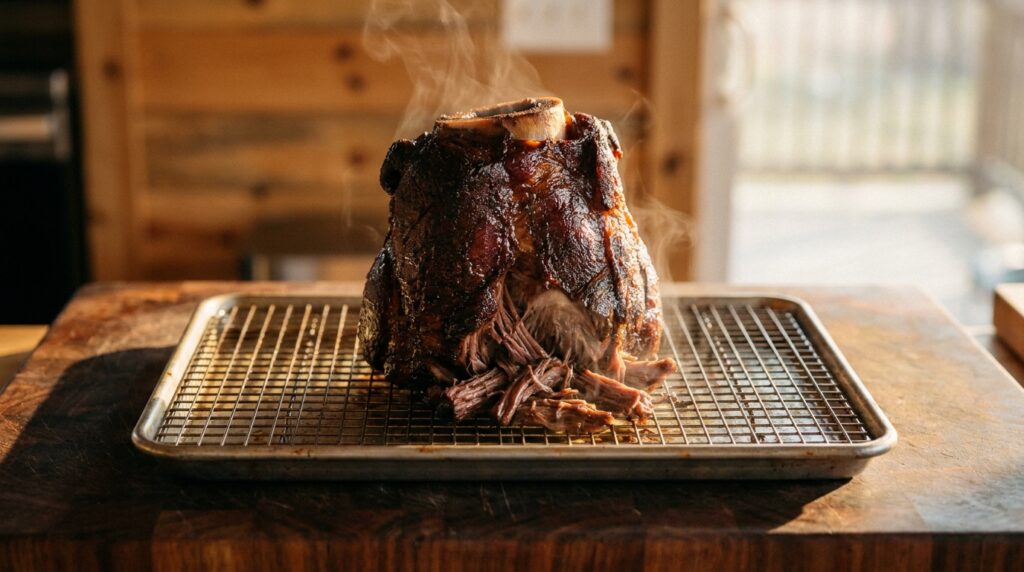
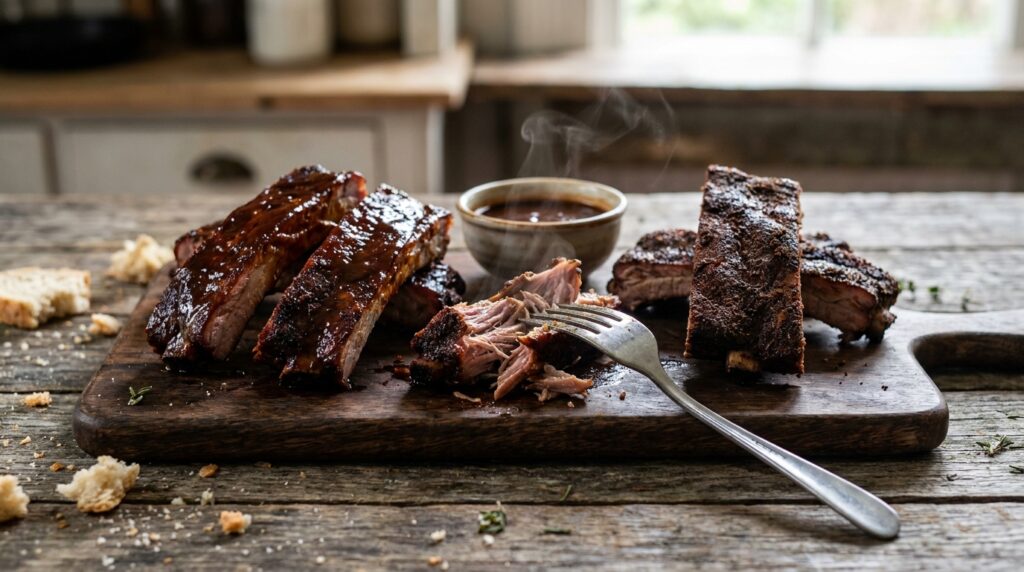
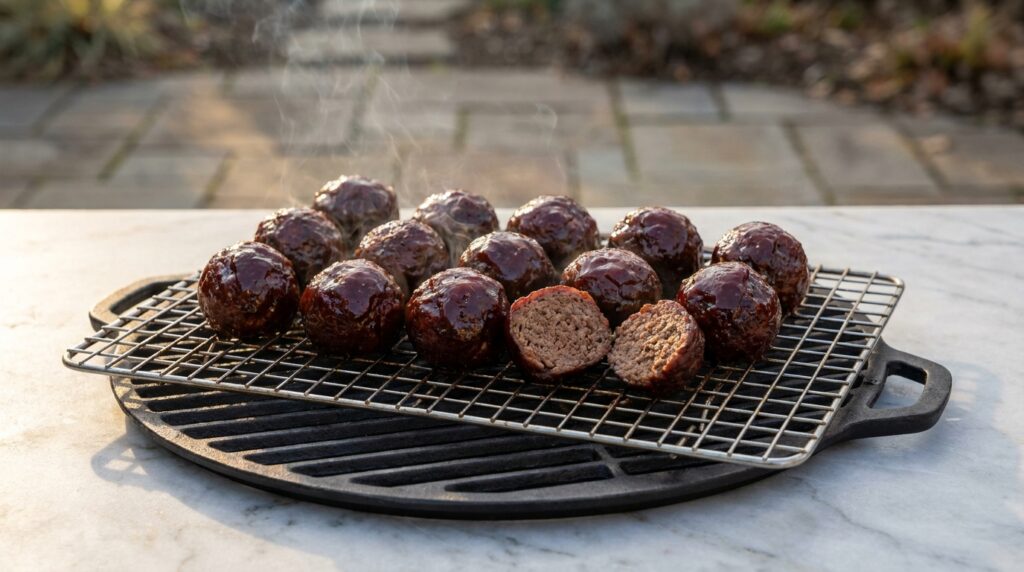
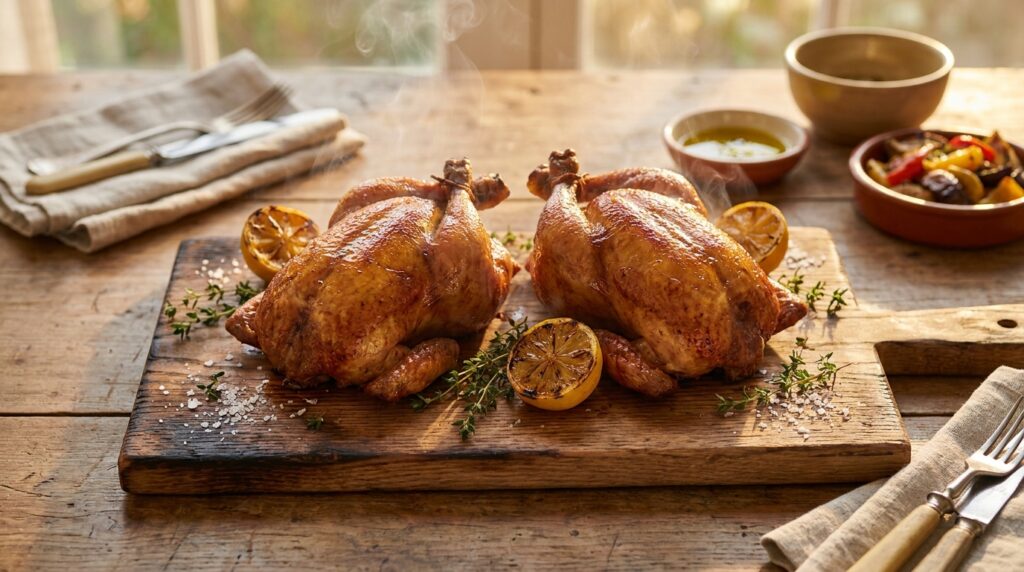
Planning, ingredients, preparation, and timing are the most critical elements to making and serving great food.
Having enough time is the most important part when it comes to slow and low!
Meat Smoking Calculator takes the thinking out of the process.
It makes cooking and serving amazing tasting smoked meats every time, on time.
SOME OF OUR FAVORITE SITES
Smoking a Turkey for Thanksgiving!
BBQ Brethren
Smoking Meat Forums
Deejay’s Smoke Pit
USDA’s Food Safety Guidelines
Smoking Pit
Virtual Weber Bullet
Smoking Times and Temps
* To help support this free site, posts contain affiliate links. If you use one of the affiliate links, we may earn a commission at no additional cost to you. As an Amazon Associate I earn from qualifying purchases.