Smoked Beef: Times, Temps & Free Calculators for Every Cut
Beef is the smoker’s headline act, and every cut wants a different plan. A brisket rides low and slow for the better part of a day; a tomahawk gets a gentle smoke and a hard sear; burgers need a fast, safe cook. Pick your cut below and the calculator plans it backward from the minute you want to eat.
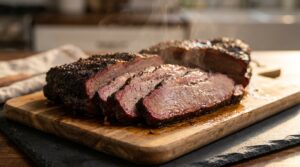 Brisket
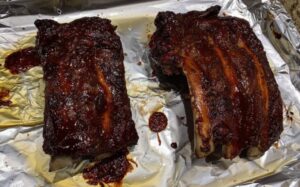 Beef Ribs
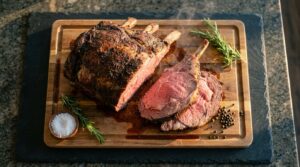 Prime Rib / Standing Rib Roast
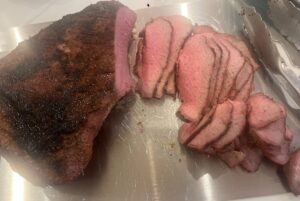 Tri-Tip
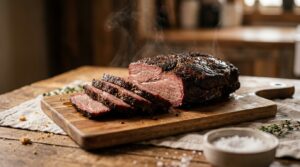 Chuck Roast
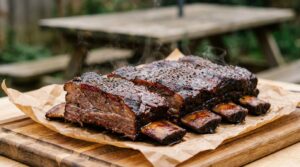 Beef Short Ribs (Plate)
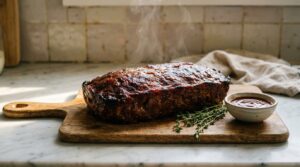 Smoked Meatloaf
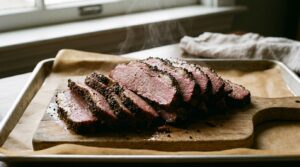 Pastrami
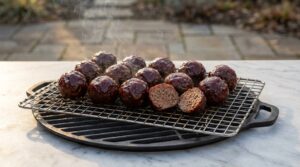 Smoked Meatballs
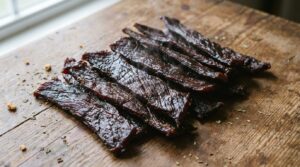 Beef Jerky
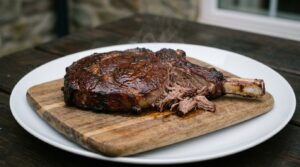 Ribeye Steak
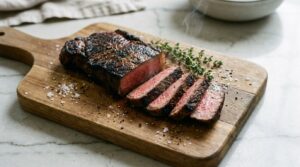 NY Strip Steak
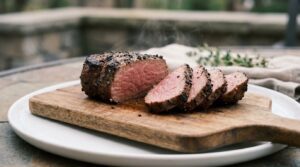 Filet Mignon
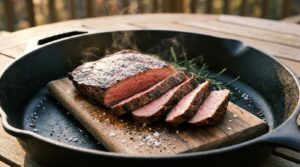 Flank Steak
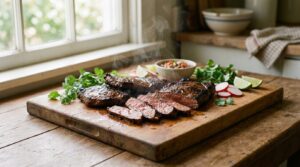 Carne Asada
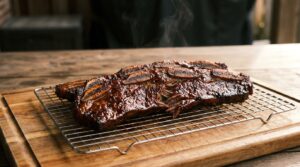 Flanken Ribs (Cross-Cut Beef Ribs)
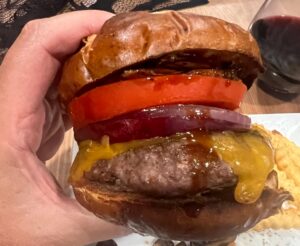 Burgers (Ground Beef)
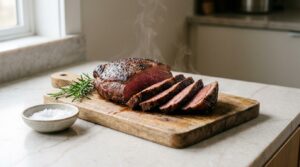 Picanha
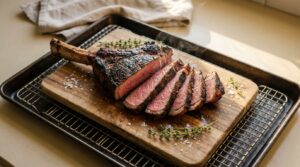 Tomahawk
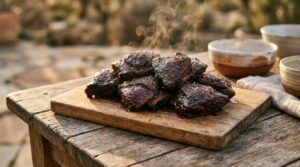 Beef Cheeks
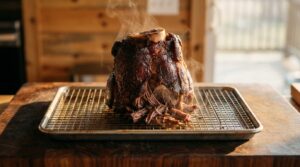 Whole Beef Shank (Thor's Hammer)
| Cut | Pit temp | Pull temp | Rough time |
|---|---|---|---|
| Brisket | 225°F / 107°C | 190°F | ~75 min/lb |
| Beef Ribs | 225°F / 107°C | by feel | ~3 hr |
| Prime Rib / Standing Rib Roast | 225°F / 107°C | 125°F | varies |
| Tri-Tip | 225°F / 107°C | 125°F | varies |
| Chuck Roast | 225°F / 107°C | 203°F | ~100 min/lb |
| Beef Short Ribs (Plate) | 225°F / 107°C | 203°F | ~8 hr |
| Smoked Meatloaf | 225°F / 107°C | 160°F | ~80 min/lb |
| Pastrami | 250°F / 121°C | 203°F | ~75 min/lb |
| Smoked Meatballs | 225°F / 107°C | 160°F | ~75 min |
| Beef Jerky | 170°F / 77°C | by feel | ~4.5 hr |
| Ribeye Steak | 225°F / 107°C | 115°F | ~50 min |
| NY Strip Steak | 225°F / 107°C | 115°F | ~50 min |
| Filet Mignon | 225°F / 107°C | 115°F | ~45 min |
| Flank Steak | 350°F / 177°C | 120°F | ~10 min |
| Carne Asada | 350°F / 177°C | 120°F | ~10 min |
| Flanken Ribs (Cross-Cut Beef Ribs) | 350°F / 177°C | 120°F | ~8 min |
| Burgers (Ground Beef) | 225°F / 107°C | 130°F | ~55 min |
| Picanha | 225°F / 107°C | 125°F | varies |
| Tomahawk | 225°F / 107°C | 115°F | ~50 min |
| Beef Cheeks | 250°F / 121°C | 205°F | ~60 min/lb |
| Whole Beef Shank (Thor's Hammer) | 275°F / 135°C | by feel | varies |
How to choose your beef cut
Beef splits into three smoking families. Collagen cuts like brisket, chuck roast, and beef short ribs are tough with connective tissue that only melts around 200°F, so they cook low and slow until they probe like butter. Tender cuts like ribeye, NY strip, filet, and the tomahawk are cooked to a doneness (medium-rare through well), usually reverse-seared: a gentle smoke to just under target, then a screaming-hot sear for crust. Ground beef (burgers) is its own case: grinding spreads surface bacteria through the patty, so USDA calls for 160°F.
What temperature do you smoke beef at?
Low and slow runs 225°F for the collagen cuts; hot and fast doubles the pace at around 300°F. Steaks smoke gently at 225°F before the sear. The number that ends the cook is the internal temperature, not the pit temperature: brisket and chuck pull around 200°F, dino ribs around 203°F, and steaks at your chosen doneness. A deep pink smoke ring is a badge, not a doneness gauge, so trust the thermometer.
Best wood for smoking beef
Oak and hickory are the backbone of beef, pecan rounds them out, and mesquite is Texas in a hurry: bold, used with intent. Match the wood’s strength to the cook’s length so a short cook does not turn acrid.
Beef smoking FAQ
Which beef cut is easiest to smoke first? Chuck roast: it forgives like a brisket but is smaller, cheaper, and faster, which makes it the best place to learn the feel of a collagen cook.
How long does it take to smoke beef? It depends entirely on the cut and weight. A packer brisket can run 12 to 16 hours; a chuck roast 6 to 9; a reverse-seared steak under two. Each cut’s calculator gives you a real schedule for your exact weight.
Do I wrap beef? Wrap collagen cuts (brisket, chuck, short ribs) once the bark is set to push through the stall faster. Steaks and roasts do not get wrapped. Every calculator here schedules the wrap where it applies.