On Time, Every Time.
How to Reverse Sear a Steak (Inspired by Serious Eats)
Serious Eats walks through the reverse sear method, a nearly foolproof way to cook thick steaks with almost no overcooked gray band, finishing in a screaming-hot pan for a perfect crust.
Watch: How to Reverse Sear a Steak | Serious Eats by Serious Eats
Schedule this cook to the minute
Set your serving time and the calculator plans the cook backward for you.
What you’ll need
- 1-2 thick-cut steaks (ribeye, strip, porterhouse, tomahawk, T-bone, tri-tip, or filet mignon)
- Kosher salt, to taste
- Black pepper, to taste
- 1 tablespoon neutral oil (for searing)
- 1-2 tablespoons butter (optional)
- 1 sprig fresh thyme (optional)
- 1-2 cloves garlic, smashed (optional)
How to make it
- Season the steak generously with salt and pepper, then set it on a wire rack over a baking sheet.
- Place the steak in a low oven (around 200-275F) and insert a probe thermometer into the thickest part, avoiding any bone.
- Cook slowly until the internal temperature reads about 10 degrees below your final target – roughly 105F for rare or 115F for medium-rare – since the steak will continue to climb after searing.
- While the steak finishes in the oven, heat a cast iron skillet over high heat until a tablespoon of oil in it is smoking hot.
- Sear the steak hard and fast, about 45 seconds to a minute per side, pressing it flat against the pan for even contact and browning.
- If desired, add butter, smashed garlic, and a thyme sprig to the pan during the last moments of searing and baste briefly for extra flavor.
- Because the steak came up to temperature slowly, it doesn't need a long rest – you can slice into it almost immediately after searing.
- Slice and serve, checking that the exterior has a deep brown crust while the interior stays evenly pink edge to edge.
Frequently asked questions
What internal temp should I pull the steak from the oven?
Pull about 10F below your final target: roughly 105F for rare, 115F for medium-rare, or 125F for medium, since the sear will push it up further.
Do I need to rest a reverse-seared steak?
Not really – because it came up to temperature slowly in a low oven, the juices are already well distributed, so you can slice right after searing.
Can I do this entirely on the grill?
Yes, use a two-zone fire: start the steak on the cool side until near your target temp, then move it to the hot side to sear.
Why avoid touching the bone with the probe on bone-in steaks?
Bone conducts heat differently than muscle, so a probe touching it will give an inaccurate, misleadingly high reading.
How much ribeye steak do I need to buy and cook?
Cooking this for a crowd? Set your headcount and get the raw weight to buy.
Fine-tune trim & cook loss
Lost to trim: - · lost to the cook: -
💲 Which form is the better deal?
Written by John Kirker, who built the first meat smoking calculator in 2011. Times come from cooks we have actually run and logged; temperature and feel decide the finish, never the clock alone.

Rated 5by 500+ users
Tagline
Other Options
The MeatSmokingCalculator will help you plan the timeline for any meal.
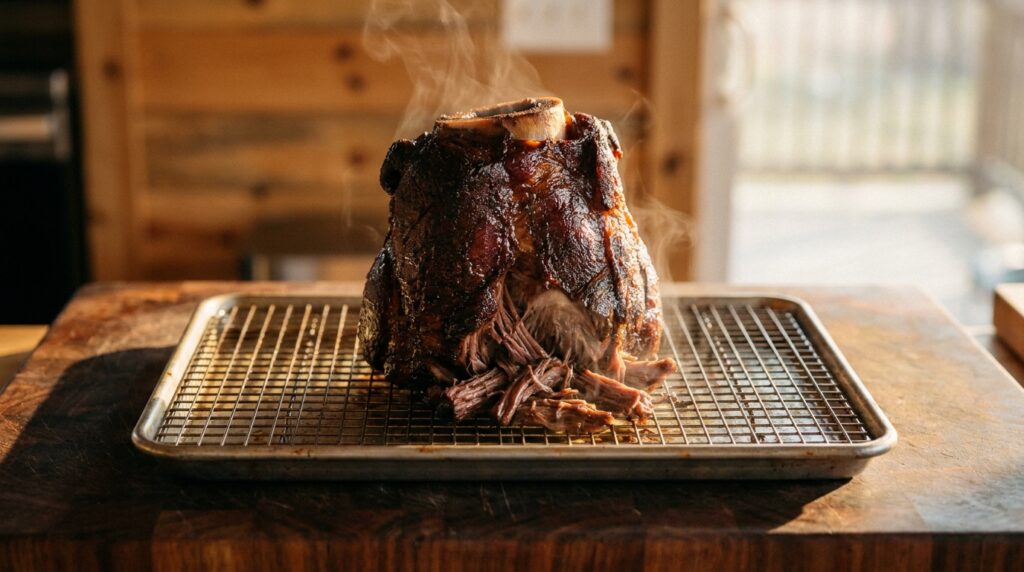
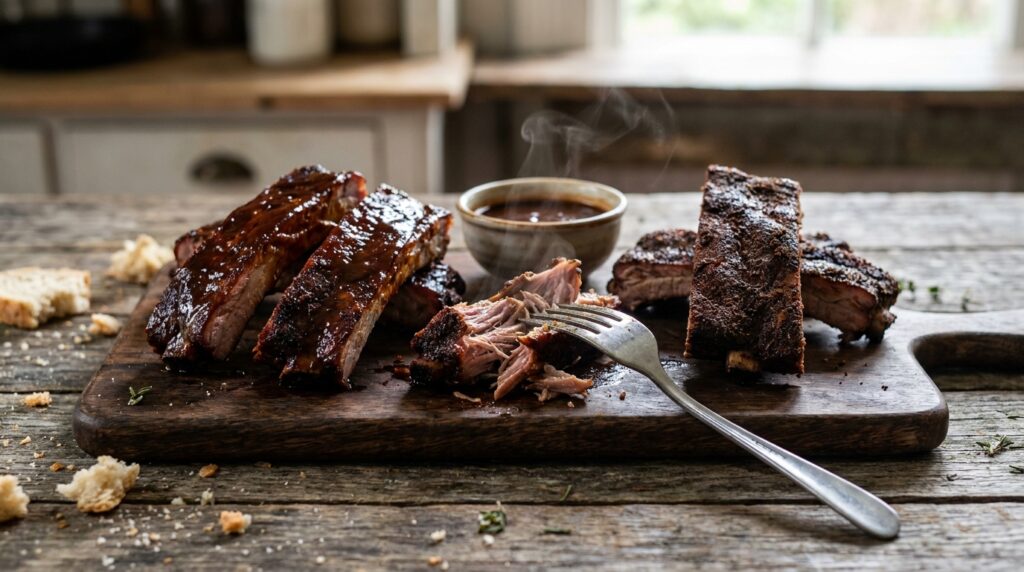
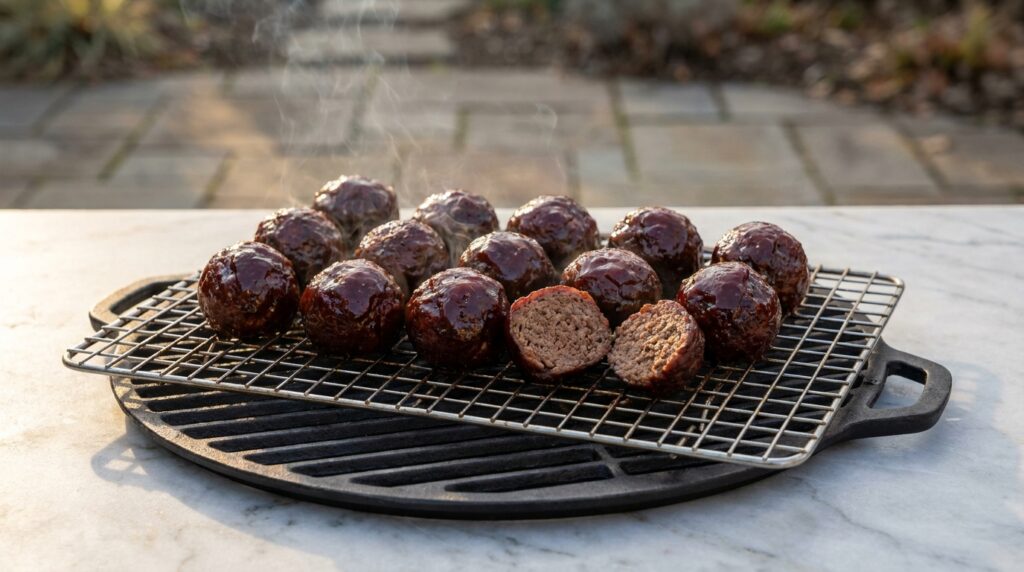
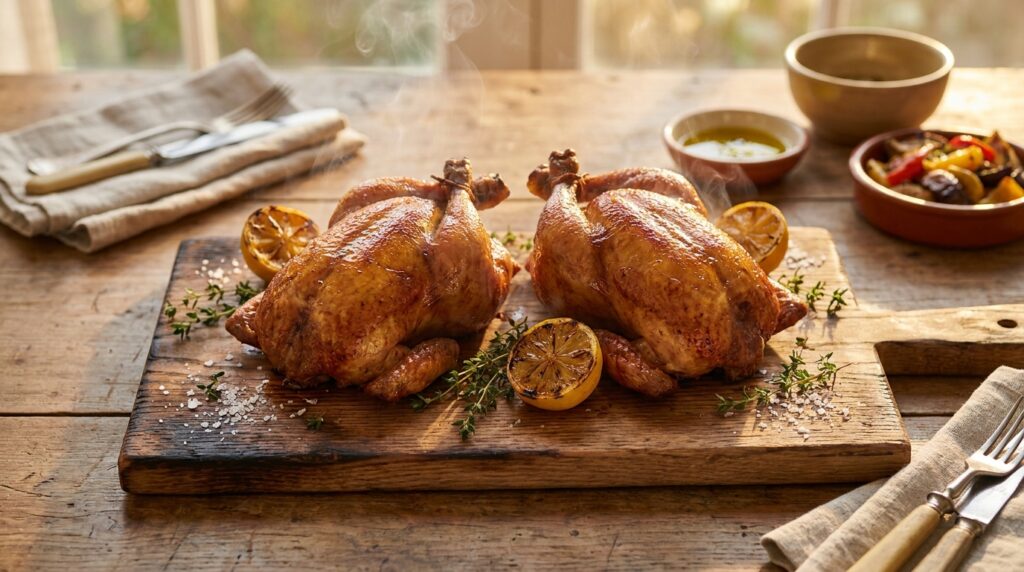
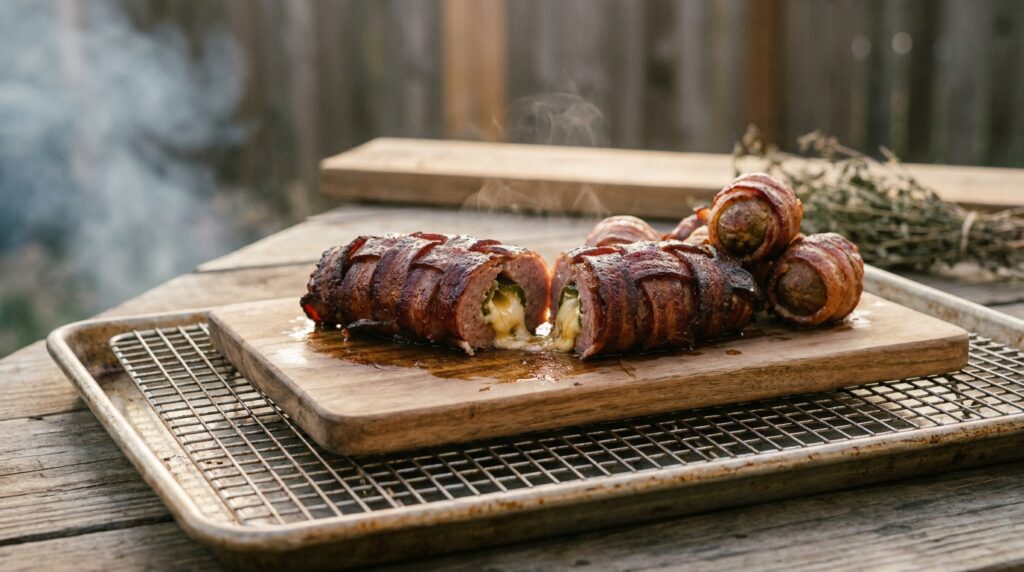
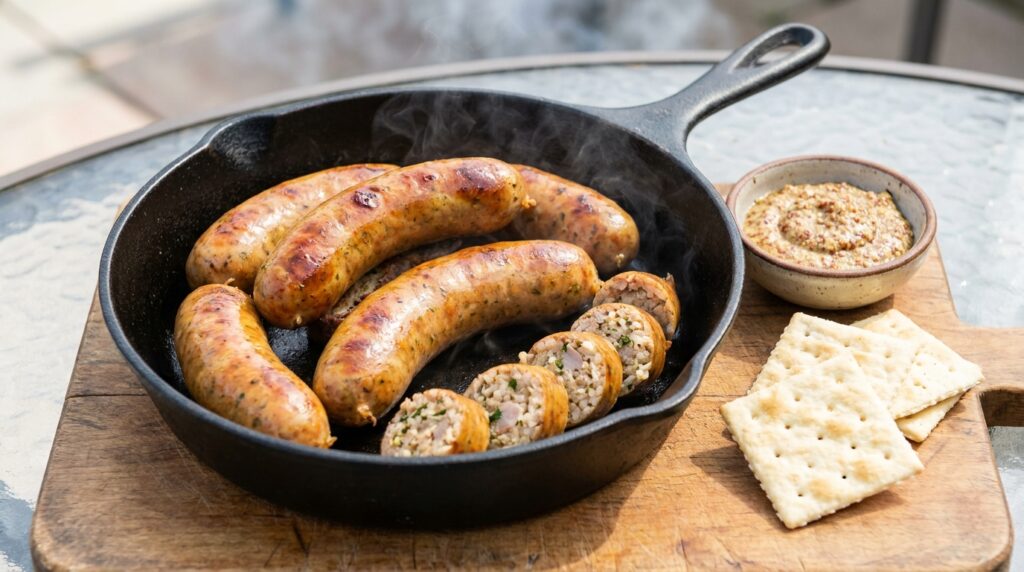
Planning, ingredients, preparation, and timing are the most critical elements to making and serving great food.
Having enough time is the most important part when it comes to slow and low!
Meat Smoking Calculator takes the thinking out of the process.
It makes cooking and serving amazing tasting smoked meats every time, on time.
SOME OF OUR FAVORITE SITES
Smoking a Turkey for Thanksgiving!
BBQ Brethren
Smoking Meat Forums
Deejay’s Smoke Pit
USDA’s Food Safety Guidelines
Smoking Pit
Virtual Weber Bullet
Smoking Times and Temps
* To help support this free site, posts contain affiliate links. If you use one of the affiliate links, we may earn a commission at no additional cost to you. As an Amazon Associate I earn from qualifying purchases.