On Time, Every Time.
Whole Hog Roast Catering: The Complete Guide
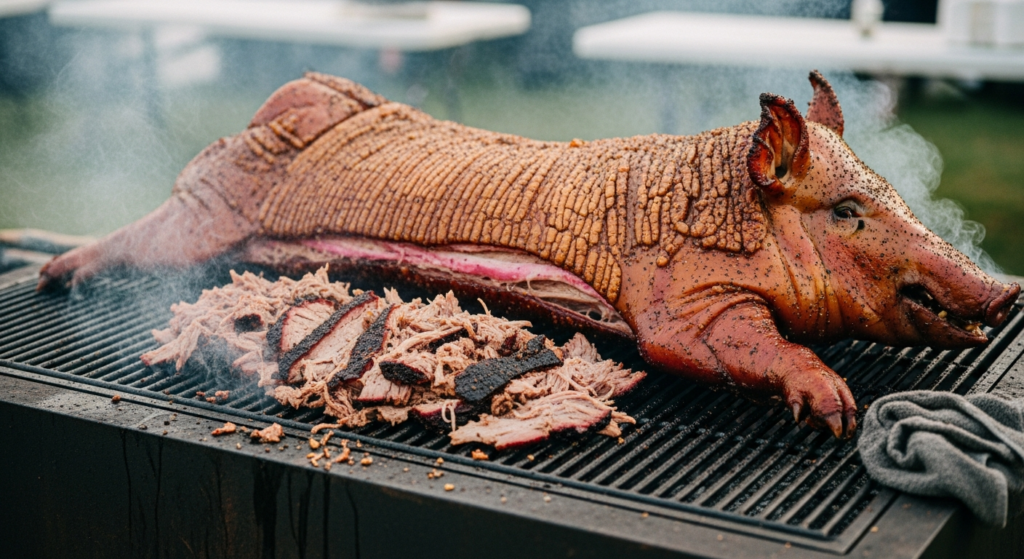
Nothing in catering draws a crowd like a whole hog. It is dinner and the entertainment in one animal – and it is also the most logistics-heavy cook in barbecue. Here is the complete catering picture: sizing, method, timeline, the serve, and the price that makes the spectacle worth your weekend.
Sizing the hog: the 40% rule
A whole hog yields roughly 40% of its dressed weight as pulled meat – a 100 lb hog gives about 40 lb, which feeds 80 to 100 as a main with sides. The ordering rule: 1 to 1.25 lb of dressed weight per guest. Order from a real butcher a week or more ahead; specify dressed, split or whole, and head-on or off depending on your presentation. Under 60 lb, a hog gets fiddly (little meat, same work); over 140 lb, handling becomes a two-strong-people problem and cook times stretch past overnight.
Method and timing
Every regional style works catered – splayed over a block pit, a la caja-style box, a big offset, or a rotisserie. What they share is the math: at 250°F plan roughly 9 minutes per pound – a 100 lb hog runs 15 hours or more before rest, which means an overnight cook for an afternoon serve. Shoulders want 195°F+ to pull; hams and loins finish sooner, which is the whole-hog balancing act – shield the loin, chase the shoulders. Prep is real work too: splitting, scoring, and trimming a hog runs about 90 minutes. Our catering calculator carries whole hog as a first-class meat – quantities, timing, and cost in one pass.
The catering timeline
- T-minus 7+ days: order the hog; confirm venue access for the rig, fire rules, and power.
- Day before: pick up, prep (score, split, inject if you do), build your fire plan.
- Overnight: the cook. A hog holds beautifully in the pit – finish early and hold above 140°F; it is part of the show anyway.
- Serve: the pull is the event. Station a carver, let guests watch, and have a second table where staff plates for the line to keep it moving.
Always bring a second meat
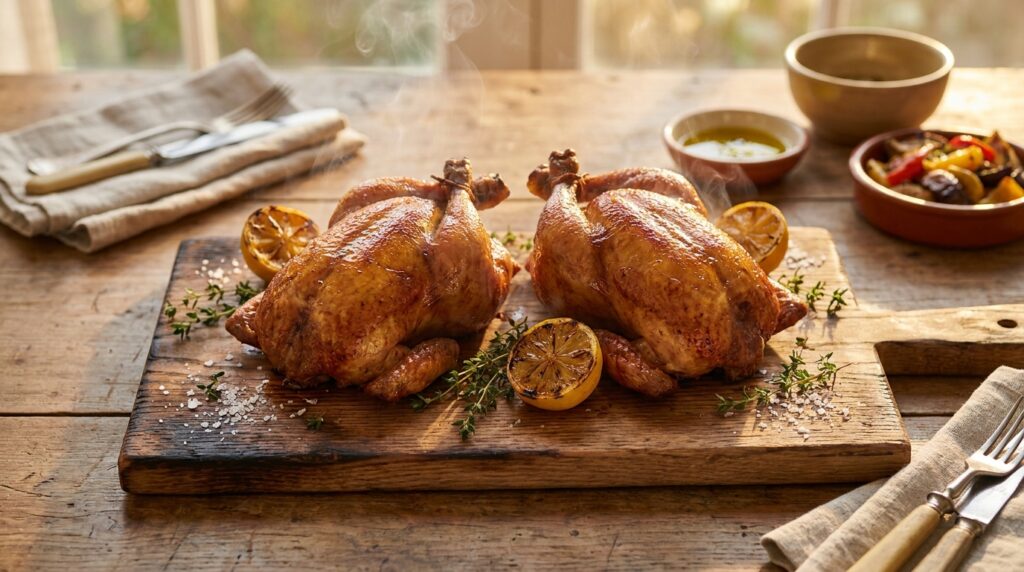
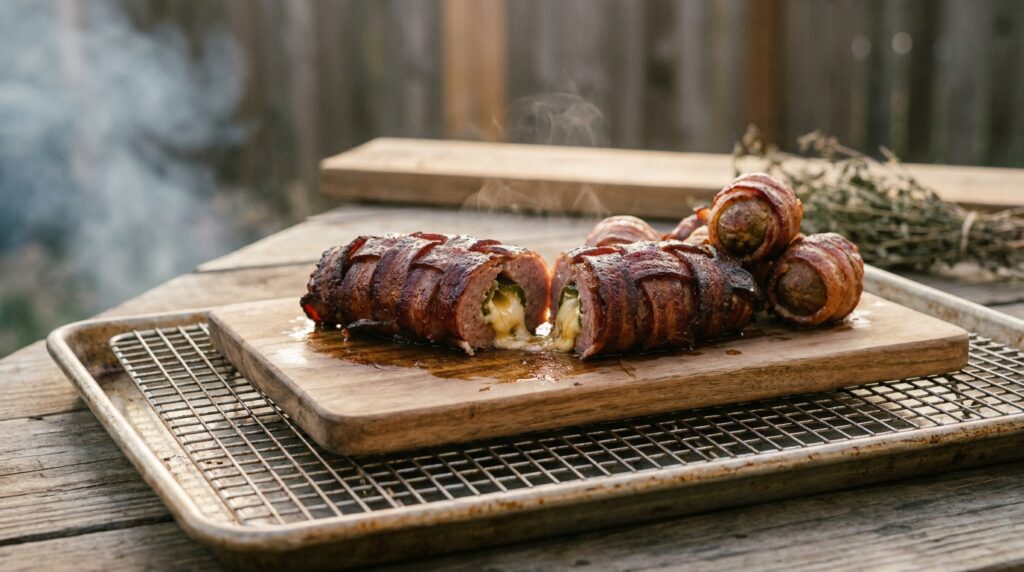
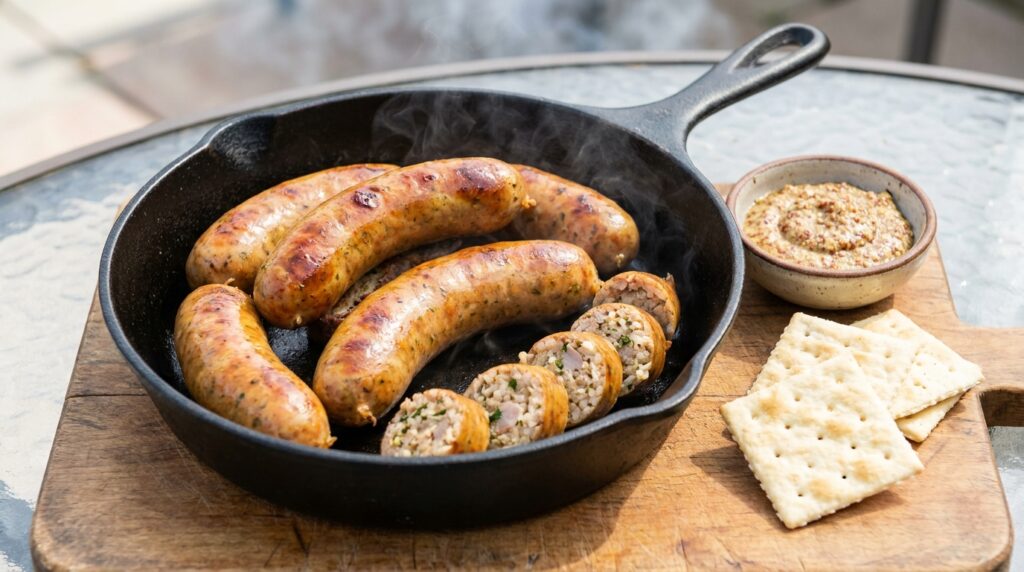
Every pig roast has guests who will not eat from a whole animal, and a hog that runs long has no understudy. A pan of pulled chicken thighs or sausage covers both risks for a fraction of the hog’s cost. This is non-negotiable professional insurance.
Pricing the show
Price a hog roast as a premium event, not by the meat pound: the hog itself ($3 to $6 per dressed lb from a butcher), 15+ cook hours plus prep and an overnight babysit, the rig haul, and the carving service. Typical whole-hog catering lands $25 to $45 per guest – above standard BBQ menus, exactly because the pig IS the entertainment. Cost it honestly in the calculator (it knows the yield and the hours) and add your showman’s margin.
The classic mistakes
- Sizing by live weight instead of dressed (a 250 lb live hog dresses near 180).
- No temperature plan across the animal – probing only one shoulder.
- Skipping the backup meat.
- Forgetting the venue logistics: a hog rig needs space, level ground, and fire clearance the venue must approve beforehand.
- Underpricing the labor: this is your whole weekend. Charge like it.
Frequently asked questions
How big a hog do I need for 100 guests?
Order 100 to 125 lb dressed weight. A whole hog yields about 40% of dressed weight as pulled meat, so a 100 lb hog gives roughly 40 lb - a main-course serving for 80 to 100 guests alongside sides.
How long does it take to cook a whole hog?
At 250°F, plan roughly 9 minutes per pound of dressed weight - about 15 hours for a 100 lb hog, plus 90 minutes of prep and a hold. For an afternoon serve, it is an overnight cook.
How much does whole hog catering cost?
Typical whole-hog catering prices run $25 to $45 per guest - above standard BBQ menus because of the overnight labor, the rig logistics, and the spectacle. The hog itself costs $3 to $6 per dressed pound from a butcher.
Should I serve anything besides the hog at a pig roast?
Yes - always bring a second meat (chicken thighs or sausage are ideal). It covers guests unwilling to eat from a whole animal and insures the event if the hog runs long. Professionals never cater a hog without an understudy.
Written by John Kirker, who built the first meat smoking calculator in 2011. Times come from cooks we have actually run and logged; temperature and feel decide the finish, never the clock alone.
Reviewed by John Kirker, Founder, John Kirker Inc. - last updated July 30, 2026.

Rated 5by 500+ users
Tagline
Other Options
The MeatSmokingCalculator will help you plan the timeline for any meal.
Planning, ingredients, preparation, and timing are the most critical elements to making and serving great food.
Having enough time is the most important part when it comes to slow and low!
Meat Smoking Calculator takes the thinking out of the process.
It makes cooking and serving amazing tasting smoked meats every time, on time.
SOME OF OUR FAVORITE SITES
Smoking a Turkey for Thanksgiving!
BBQ Brethren
Smoking Meat Forums
Deejay’s Smoke Pit
USDA’s Food Safety Guidelines
Smoking Pit
Virtual Weber Bullet
Smoking Times and Temps
* To help support this free site, posts contain affiliate links. If you use one of the affiliate links, we may earn a commission at no additional cost to you. As an Amazon Associate I earn from qualifying purchases.