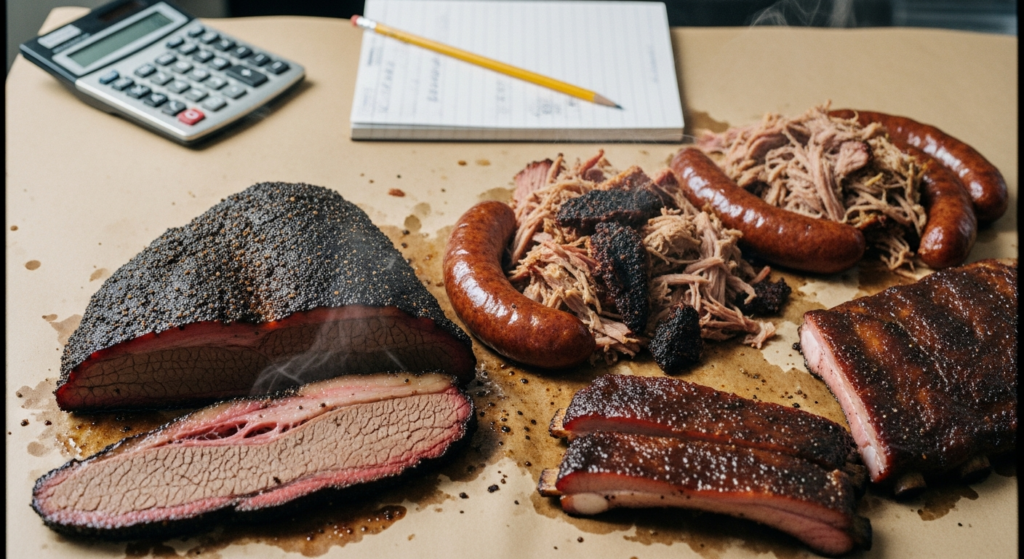
On Time, Every Time.
How to Price a Catering Quote: Margin, Food Cost, and Markup Explained
Every catering quote answers the same question – what number do I write down? – but there are four different disciplines for getting there, and knowing all four makes you dangerous in the best way. Our calculator computes every one on every quote; here is what they mean and when each leads.
Method 1: Target margin (the headline)
Price = total cost ÷ (1 – margin). Cost the whole job – food at real yields, every labor hour, consumables, travel, overhead – then divide by 0.70 for a 30% margin. This is the method that guarantees the business earns, because it prices from ALL costs, not just food. Use it as your default; 25 to 35% is the healthy band.
Method 2: Food-cost percentage (the restaurant habit)
Price = food cost ÷ target food-cost %. Restaurant thinking: if food should be 32% of revenue, a job with $800 of food quotes at $2,500. It is fast and industry-standard, but it silently assumes your labor and overhead fit the other 68% – which breaks on labor-heavy jobs (long drives, full service). Use it as a cross-check, not a compass.
Method 3: Cost-plus markup (the honest floor)
Price = total cost x (1 + markup). A 100% markup doubles your cost. Simple to explain to a client, and useful for odd jobs that do not fit patterns. The trap: a percentage markup on a small job may not clear your minimum – a $300-cost backyard party at 100% markup pays $300 for a full weekend of work.
Method 4: Price-per-head (the market reality)
Price = $ per person x guests. This is how clients think and how competitors quote – “$22 a head.” Never LEAD with it (their number knows nothing about your costs), but always CHECK with it: if your margin-priced quote lands at $34 per person in an $18-25 market, either your costs need work or your menu is genuinely premium and your quote needs to say why.
The walkthrough: one job, four answers
A 100-guest, two-meat buffet: $735 food (yield-priced, seasonings included), $550 labor (22 hours), $110 consumables, $60 travel, $60 overhead = $1,515 total cost.
- Target margin 30%: $2,164 ($21.64/head)
- Food cost at 32%: $2,297 ($22.97/head)
- Markup 100%: $3,030 ($30.30/head – high for this market)
- Per-head at $20 market rate: $2,000 (margin falls to 24% – acceptable? your call, eyes open)
Four methods, one decision: quote $2,100 to $2,250 and you are defensible from every direction. That convergence check – not any single formula – is what pricing like a professional means.
Guardrails worth automating
Break-even headcount (how many guests must show before you profit), a minimum job floor (some quotes should be declined), and a sensitivity check (what happens to margin if brisket jumps 10% before the event – which is why quotes carry a prices valid until date). The calculator runs all three on every quote.
Frequently asked questions
What is the best pricing method for catering?
Lead with target margin (price = cost / (1 - margin), typically 25-35%) because it accounts for ALL costs - then cross-check against food-cost percentage and the local per-head market rate. When all methods converge, the price is defensible.
What margin should a caterer charge?
A healthy target is 25 to 35% net margin after every cost, including the caterer's own labor at a real hourly rate. Below 20%, one price spike or headcount drop puts the job underwater.
What food cost percentage is normal for catering?
28 to 35% of the price is the common band. BBQ often runs toward the top because smoked meats lose 30-50% of raw weight to trim and cooking - which is why costing the cooked yield, not the raw price, is essential.
Why do caterers use price per person?
Because clients and competitors communicate in per-head numbers. Use it to sanity-check and present your quote - but derive the price from your actual costs and margin, or the market's number quietly sets your wage.
Watch: from caterers who do this
 ▶ How to Cater Large Food Events: Lessons from Dski Grillzby Dski Grillz
Written by John Kirker, who built the first meat smoking calculator in 2011. Times come from cooks we have actually run and logged; temperature and feel decide the finish, never the clock alone.
Reviewed by John Kirker, Founder, John Kirker Inc. - last updated July 30, 2026.

Rated 5by 500+ users
Tagline
Other Options
The MeatSmokingCalculator will help you plan the timeline for any meal.
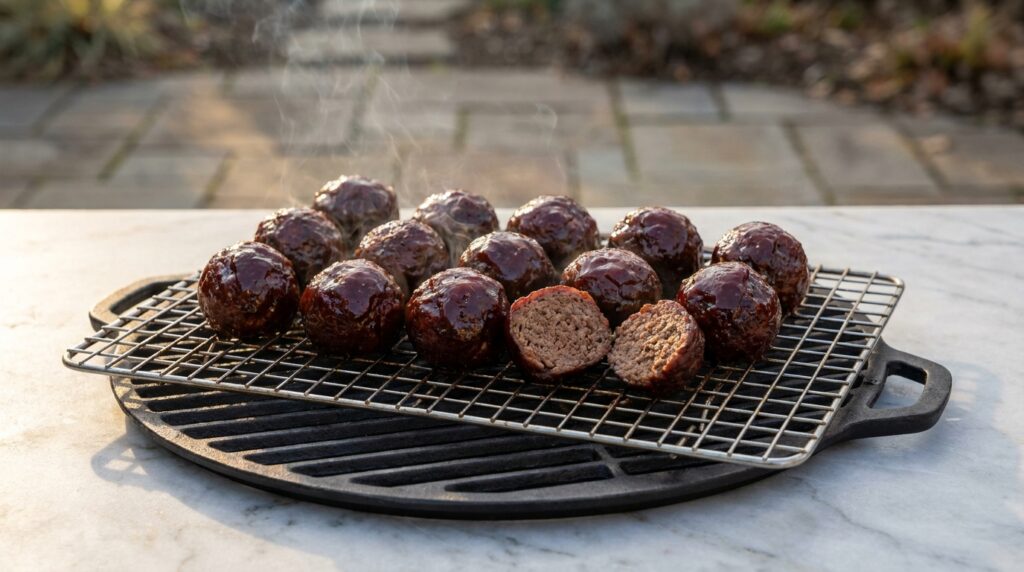
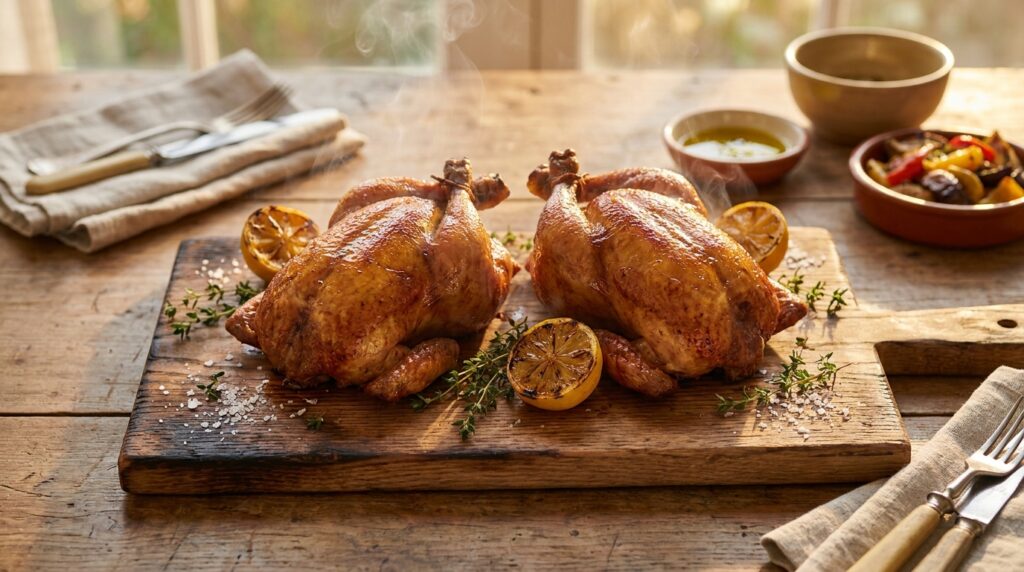
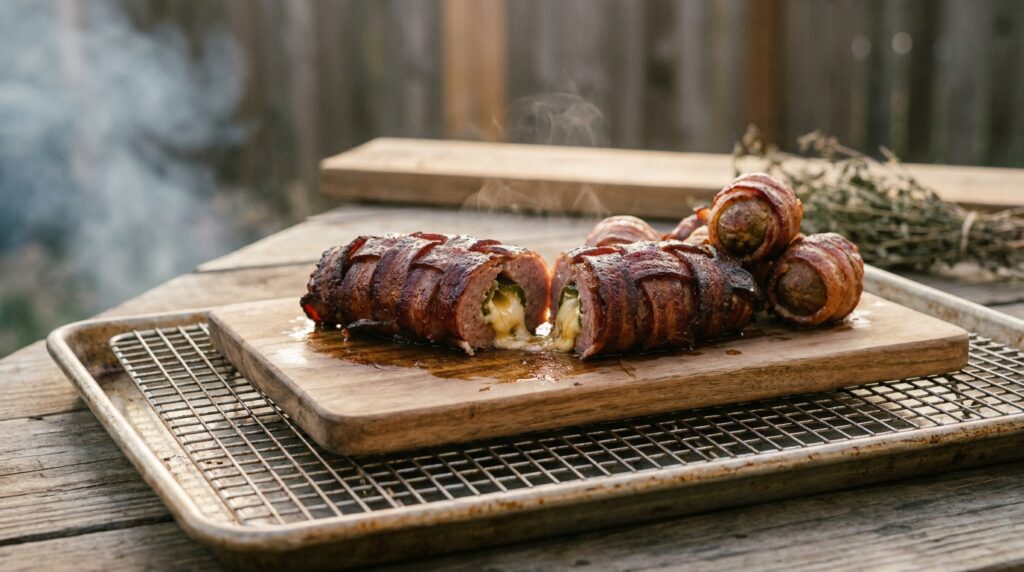
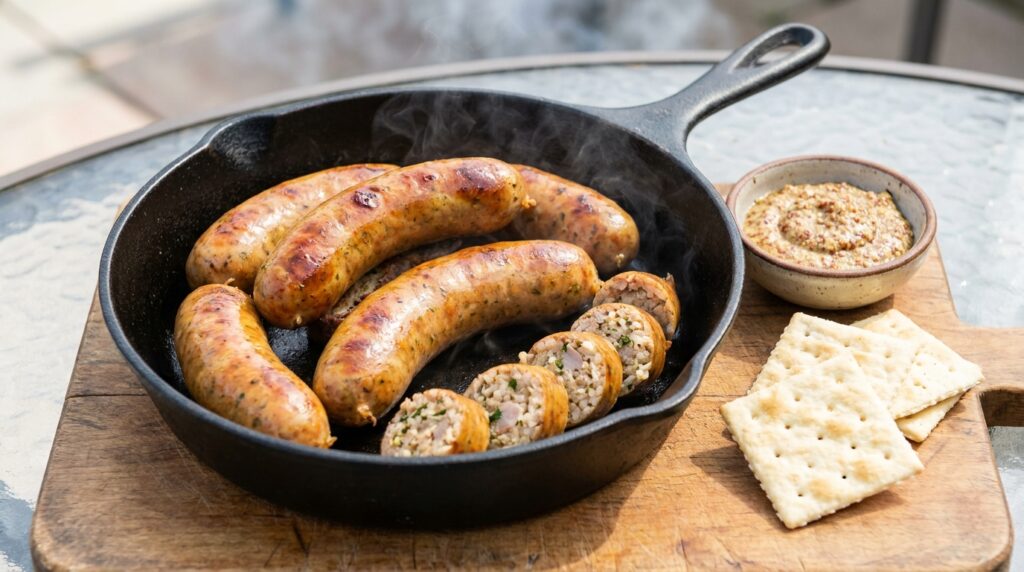
Planning, ingredients, preparation, and timing are the most critical elements to making and serving great food.
Having enough time is the most important part when it comes to slow and low!
Meat Smoking Calculator takes the thinking out of the process.
It makes cooking and serving amazing tasting smoked meats every time, on time.
SOME OF OUR FAVORITE SITES
Smoking a Turkey for Thanksgiving!
BBQ Brethren
Smoking Meat Forums
Deejay’s Smoke Pit
USDA’s Food Safety Guidelines
Smoking Pit
Virtual Weber Bullet
Smoking Times and Temps
* To help support this free site, posts contain affiliate links. If you use one of the affiliate links, we may earn a commission at no additional cost to you. As an Amazon Associate I earn from qualifying purchases.