On Time, Every Time.
Smoked Salmon Recipe: Dry Brine, Pellicle & the Perfect Cook
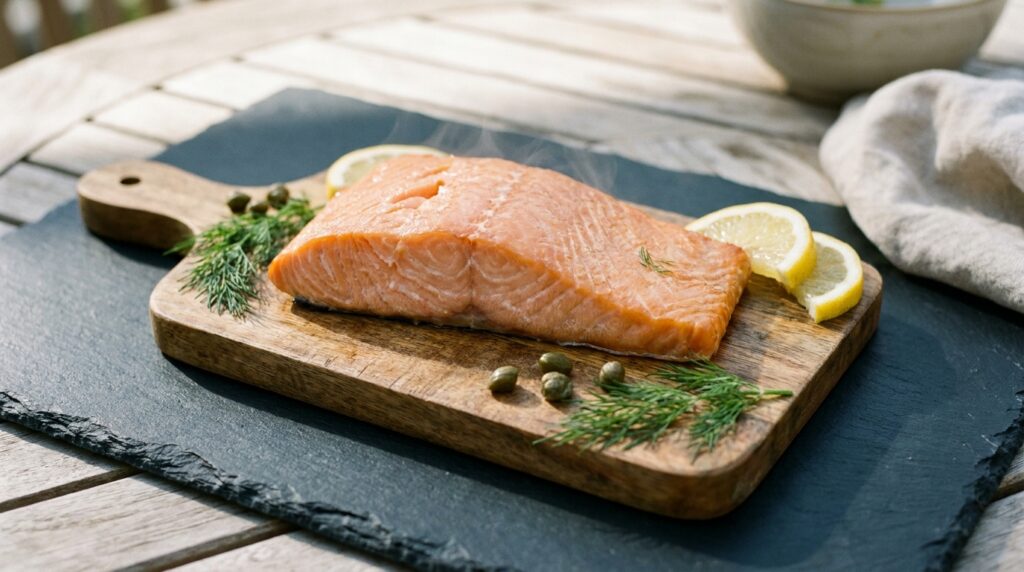
The best smoked salmon starts long before the smoke: a simple sugar-and-salt dry brine, a few hours to form a pellicle, then a gentle cook to a flaky, glazed finish. Here is the whole method, plus a calculator that plans your exact timing to the minute.
Why smoke salmon at home?
Hot-smoked salmon is one of the most rewarding cooks on a smoker: it is fast, forgiving once you know the temps, and turns an everyday fillet into something that tastes like it came from a specialty shop. The dry brine seasons and firms the flesh, the pellicle helps the smoke stick, and a low pit temperature keeps it silky instead of chalky. A whole side is done in a couple of hours.
Step 1: The dry brine (this is the secret)
Mix roughly a 3:1 ratio of brown sugar to kosher salt – about 1 cup sugar to 1/3 cup salt for a large side. Lay the salmon skin-side down, pack the cure over the flesh, and refrigerate uncovered for 4 to 8 hours (thin fillets need less, a thick king side more). The cure draws out moisture, firms the fish, and seasons it through. Rinse it well under cold water and pat completely dry.
Step 2: Form the pellicle
Set the rinsed, dried salmon on a rack in the fridge, uncovered, for 1 to 4 hours. The surface will turn slightly tacky and glossy – that is the pellicle, a thin protein layer that smoke clings to. Skip this step and your smoke flavor will be weaker and the surface can weep. A small fan speeds it along.
Step 3: Smoke it low and slow
Run the smoker at 200 to 225 F. Place the salmon skin-side down (a cedar plank is optional but classic) and smoke until it reaches 135 to 145 F internal, usually 1.5 to 2.5 hours depending on thickness. Brush on a maple syrup or honey glaze in the last 30 minutes for that lacquered, restaurant-style finish. Pull it when the flesh flakes easily and looks opaque.
What temperature is smoked salmon done?
The USDA safe temperature for salmon is 145 F. Many pitmasters pull hot-smoked salmon a touch earlier, around 135 to 140 F, and let carryover finish it, because salmon dries out fast past 145 F. Use an instant-read thermometer in the thickest part and trust the flake test: when it separates cleanly along the lines, it is done. The calculator above pulls your exact timing from your fillet weight and dinner time.
Best wood for smoked salmon
Salmon loves mild, sweet smoke. Alder is the traditional Pacific Northwest choice; maple, cherry, and apple are all excellent. Avoid heavy woods like mesquite – they overpower the fish.
Frequently asked
How long does it take to smoke salmon? About 1.5 to 2.5 hours at 200 to 225 F, plus the brine and pellicle time. The calculator plans every step backward from when you want to eat.
Do I have to brine salmon before smoking? You do not have to, but the dry brine is the single biggest upgrade – it seasons, firms, and improves texture. Do not skip the pellicle either.
Hot-smoked vs cold-smoked salmon? This is hot-smoked (cooked, flaky, 200 to 225 F). Cold smoking runs under 90 F and produces silky, lox-style salmon – a different process that needs curing and food-safety care.
What kind of salmon is best? A fatty fish like king (chinook), sockeye, or good farmed Atlantic holds moisture best. Buy skin-on and pin-boned. If you smoke other species, the same rule about chilling before you work the flesh applies: boning a smoked whitefish only gives clean sheets once the fish is cold straight through.
Ready to cook? Set your dinner time in the calculator above, or see the full smoked salmon time and temperature guide.
Written by John Kirker, who built the first meat smoking calculator in 2011. Times come from cooks we have actually run and logged; temperature and feel decide the finish, never the clock alone.
Reviewed by John Kirker, Founder, John Kirker Inc. - last updated October 5, 2026.

Rated 5by 500+ users
Tagline
Other Options
The MeatSmokingCalculator will help you plan the timeline for any meal.
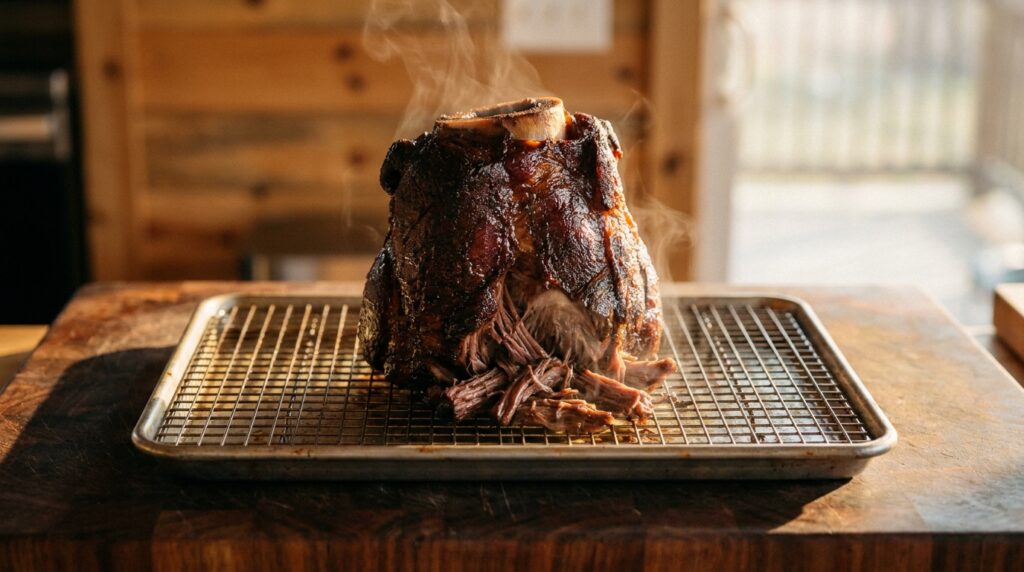
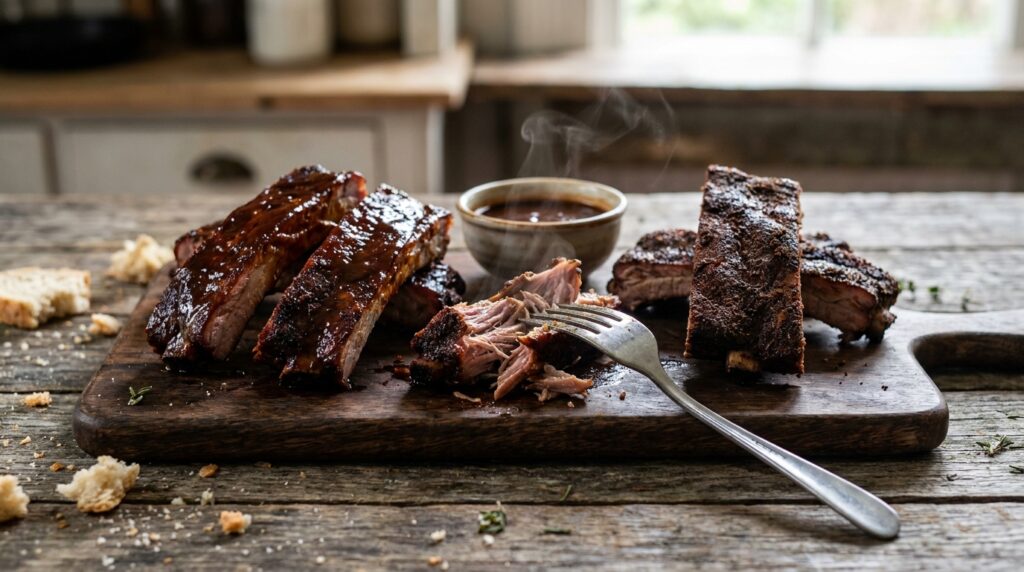
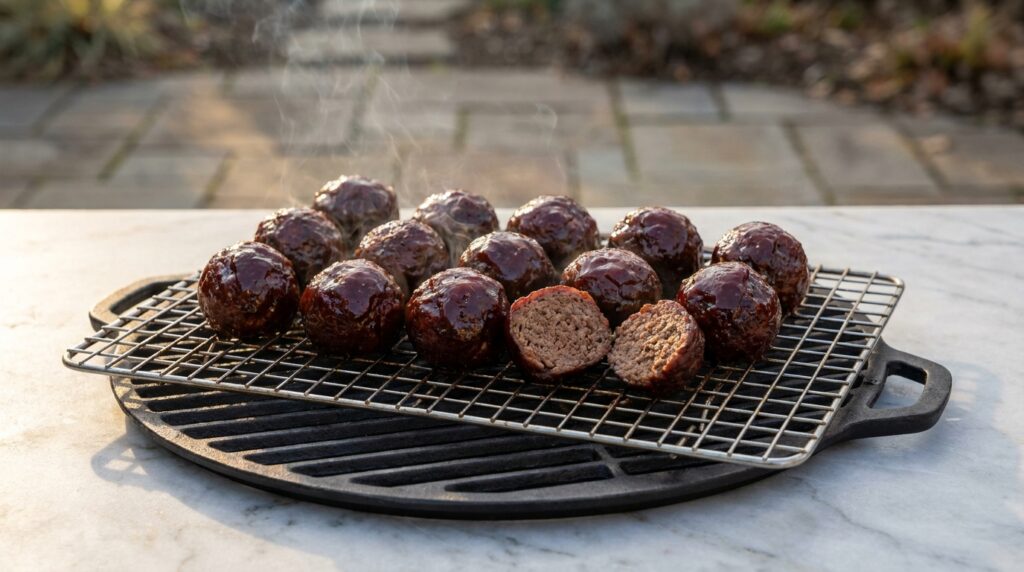
Planning, ingredients, preparation, and timing are the most critical elements to making and serving great food.
Having enough time is the most important part when it comes to slow and low!
Meat Smoking Calculator takes the thinking out of the process.
It makes cooking and serving amazing tasting smoked meats every time, on time.
SOME OF OUR FAVORITE SITES
Smoking a Turkey for Thanksgiving!
BBQ Brethren
Smoking Meat Forums
Deejay’s Smoke Pit
USDA’s Food Safety Guidelines
Smoking Pit
Virtual Weber Bullet
Smoking Times and Temps
* To help support this free site, posts contain affiliate links. If you use one of the affiliate links, we may earn a commission at no additional cost to you. As an Amazon Associate I earn from qualifying purchases.