On Time, Every Time.
Tri Tip Like Brisket: What Final Temp? (About 203F, Probe Tender)
Cook a tri-tip brisket-style to about 203F internal and probe tender, not the 130 to 135F you would use for a sliced medium-rare tri-tip. Those are two different cooks with opposite endings. The brisket method runs the pit at 225 to 250F, wraps in foil with butter at 165F internal, then pushes on to roughly 203F so connective tissue breaks down. The reverse-sear method pulls at about 125F and lets carryover land at 130 to 135F. Same cut, and picking the wrong number is how a good roast gets ruined.
- Brisket-style final temp: about 203F internal, and probe tender.
- Wrap point: 165F internal, foil, with butter.
- Reverse-sear (medium-rare): pull about 125F, carryover to 130 to 135F.
- Whole-muscle beef is safe at 145F with a three-minute rest, so 203F is texture, not safety.
- 203F is a target, not a stopping rule. The probe decides.
Tri tip like brisket: what final temp?
Cook it to about 203F internal, and pull only when a probe slides into the thickest part with almost no resistance. That is the same standard used for brisket and pork butt, which probe tender around 195 to 205F.
The confusion is fair. Nearly every tri-tip page says 130 to 135F, and that advice is correct for the other cook. A medium-rare tri-tip is a lean, tender cut, and lean tender cuts are ruined by extra heat. A brisket-style tri-tip is deliberately driven past that window into the range where collagen gives up.
Why 203F does not turn it to leather
Between roughly 165F and 203F, held over time, connective tissue converts and fibers that squeezed moisture out earlier relax into something sliceable. That is the same mechanism behind a packer, laid out in our guide to brisket tenderness and hold time and in more depth in collagen breakdown over time. A tri-tip carries less of that tissue than a brisket flat, which is exactly why it gets there in a fraction of the hours.
Whole-muscle beef is safe at 145F with a three-minute rest. Everything above that number is a texture decision, not a safety one.
The two tri-tip finish temps, side by side
Which tri-tip finish temp do you want?
Pick your ending before you light the pit. The wrap decision and the slicing plan both follow from it.
| Method | Pull temp | Pit temp | Wrap | Finish cue |
|---|---|---|---|---|
| Brisket-style | About 203F | 225 to 250F | Foil with butter at 165F | Probe tender |
| Reverse sear, medium-rare | About 125F, carryover to 130 to 135F | 225 to 250F | None | Hard sear, 1 to 2 minutes per side |
| Santa Maria, medium | 150F | 225 to 250F | None | Rest, carryover climbs a few degrees |
Our tri-tip time and temp guide covers the medium-rare route in full: roughly 60 to 90 minutes at 225 to 250F to reach 125F, plus the sear. Brisket-style takes longer, because you are driving through the stall instead of stopping before it.
The wrap at 165F: butter, foil, and what it should look like
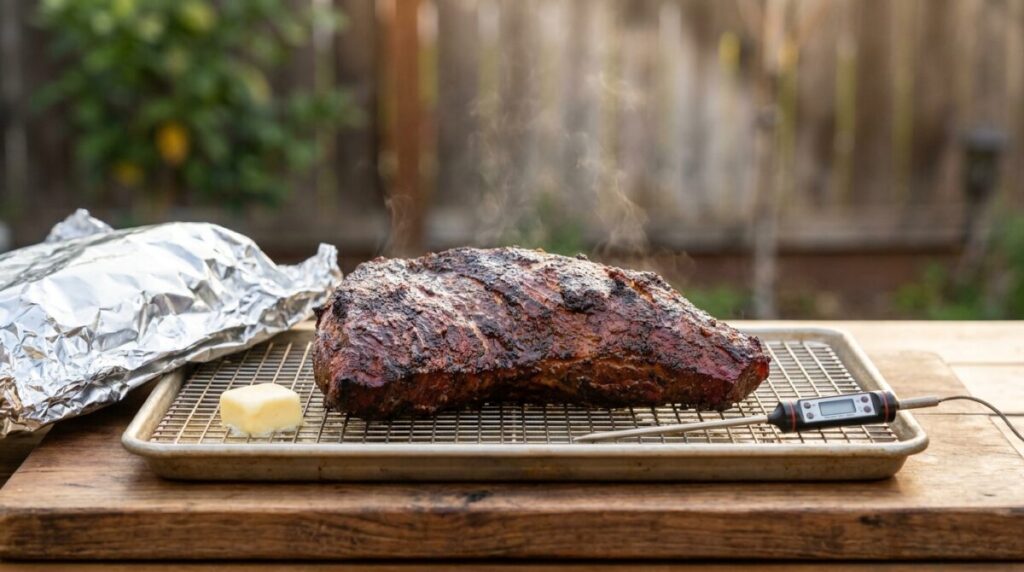
Pull the tri-tip at 165F internal, wrap it tightly in foil with butter, and put it back on. Unwrapped, a cut this small keeps shedding moisture the whole way to 203F. Foil plus butter carries it through.
At the wrap the roast has visibly tightened and pulled in at the tapered tip, and the bark should feel dry and set, like firm tree bark under your finger rather than tacky rub. Press it and it should not smear. If the color is not where you want it at 165F, that is the moment to decide, because foil softens whatever you seal inside it.
Butter quantity, tallow or broth additions, seam orientation, and whether you rest in the foil or vent it are technique choices this page will not guess at. See the Meat Church-inspired brisket-style tri-tip method for the wrap as that cook runs it.
- Trim hard fat and silver skin. Neither renders.
- Run the pit at 225 to 250F.
- Probe the thickest part, never the tapered tip.
- At 165F internal, wrap tightly in foil with butter.
- Start probing for tenderness as you approach 203F.
- Rest before slicing, then cut each half against its own grain.
Finish by feel, not by the number
Temperature gets you to the neighborhood, the probe finds the house. A tri-tip is a wedge, so the two ends do not read alike: the thick end will sit several degrees behind while the tapered tip runs ahead and reads done long before the roast is. Probe the thick end for the decision, and use the tip only to confirm you have not scorched it.
203F is a target, not a stopping rule: a tri-tip that still resists the probe at 200F needs more time, not a thermometer argument.
Per-pound math is a planning tool, not a promise. Two similar roasts can finish apart depending on thickness, fat, your pit, and how often you open the lid. Plan backward from when you want to eat, then let the probe make the final call.
Slicing: the step that undoes a good cook
Tri-tip has two grain directions. Cut the roast in half where the grain changes, then slice each half against its own grain. Do that wrong and a perfectly tender 203F roast eats stringy, and it has nothing to do with temperature. Brisket-style slices go thicker than medium-rare slices, because the fibers are already relaxed.
Should you cook tri-tip like a brisket at all?
Do it when you want brisket texture without a packer-sized budget or commitment. That is the whole reason the method exists: a smaller, cheaper cut delivering brisket-like tenderness and deep smoky bark.
Do not do it if you bought a premium tri-tip to serve as steak. At that point you want the doneness temps for lean cuts, which put tri-tip at 130 to 135F for medium-rare alongside prime rib and picanha.
FAQ
What final temp for tri tip like brisket?
About 203F internal, and probe tender. Start testing as you close in. If it resists, keep cooking – the tenderness cue outranks the number.
Do I have to wrap tri-tip when cooking it brisket style?
For this method, yes. Pull at 165F internal and wrap tightly in foil with butter. On a cut this small, going unwrapped all the way to 203F costs more moisture than the extra bark is worth.
Why do most tri-tip recipes say 130 to 135F?
Because most of them are for a sliced medium-rare roast, where tri-tip behaves like a steak. Those recipes pull at about 125F and let carryover reach 130 to 135F. Brisket-style is a different technique with a different ending.
Is 203F safe for beef?
Comfortably. Whole-muscle beef is safe at 145F with a three-minute rest, so 203F clears the line by a wide margin. The high number is entirely about connective tissue.
How long does a brisket-style tri-tip take?
It varies with roast size, pit, and weather, and any figure is a planning estimate rather than a guarantee. Run 225 to 250F and expect the stall between 150 and 170F, where evaporative cooling can hold the internal temp flat for a stretch before it climbs again.
Can I rest or hold it like a brisket?
Yes, and it helps. A hot roast sliced straight off the pit loses juice. Our notes on holding brisket at 150F explain the mechanics, though a tri-tip is far smaller and will not need anything like the same duration.
Written by John Kirker, who built the first meat smoking calculator in 2011. Times come from cooks we have actually run and logged; temperature and feel decide the finish, never the clock alone.
Reviewed by John Kirker, Founder, John Kirker Inc. - last updated October 5, 2026.
Sources for this article
- Brisket-style tri-tip: cook to about 203F internal and probe tender (Tri-Tip Smoked Like a Brisket, Meat Church-inspired)
- Wrap point: pull at 165F internal, wrap tightly in foil with butter, return to smoker (same post)
- Rationale: long low-and-slow smoke plus foil wrap and rest breaks down connective tissue, giving a smaller, cheaper cut brisket-like tenderness and deep smoky bark (same post)
- Medium-rare route: smoke at 225 to 250F to about 125F internal, 60 to 90 minutes, sear, carryover to 130 to 135F (The Best Smoked Tri-Tip)
- Santa Maria version pulls at 150F for medium; tri-tip climbs a few degrees resting (Santa Maria Smoked Tri-Tip)
- Tri-tip has two grain directions; slice each half against its own grain (The Best Smoked Tri-Tip)
- Lean tender cuts including tri-tip and picanha are pulled at 130 to 135F for medium-rare (Doneness Temps for Smoked Meat)
- Brisket and pork butt probe tender around 195-205F; whole-muscle beef safe at 145F with a three-minute rest (Smoking Times and Temperatures Chart)
Facts drawn from this site's own documented knowledge and first-hand experience.

Rated 5by 500+ users
Tagline
Other Options
The MeatSmokingCalculator will help you plan the timeline for any meal.
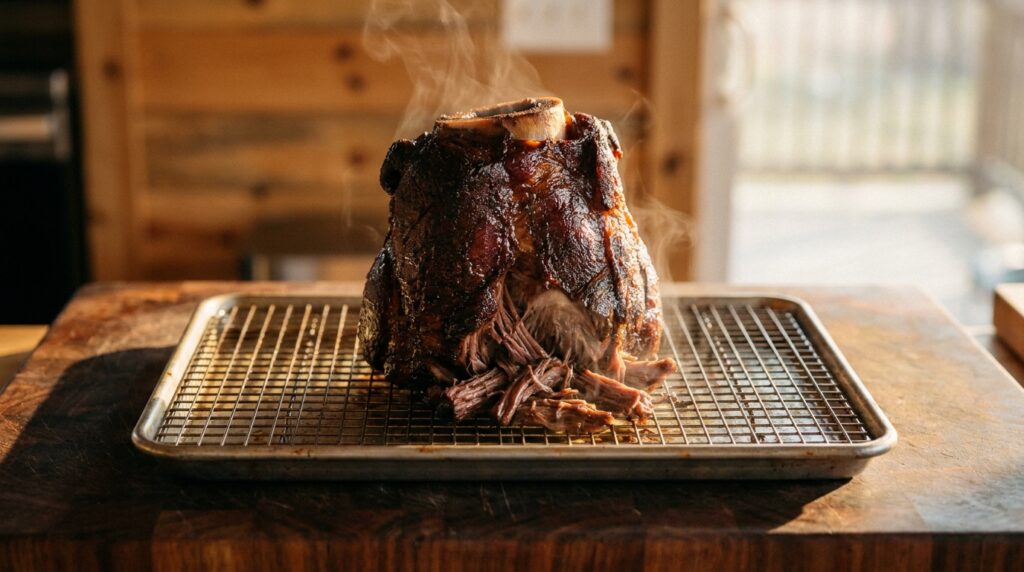
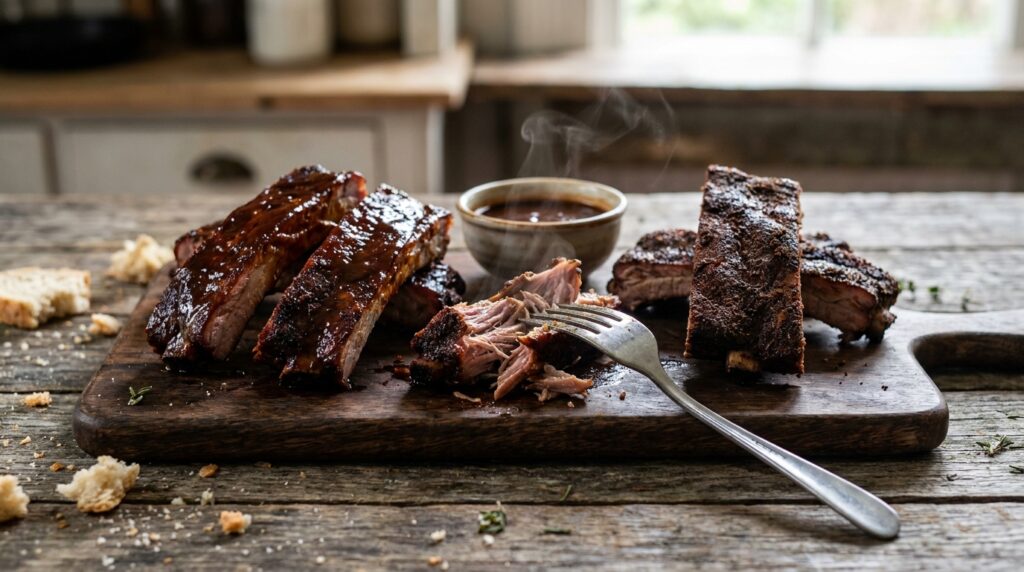
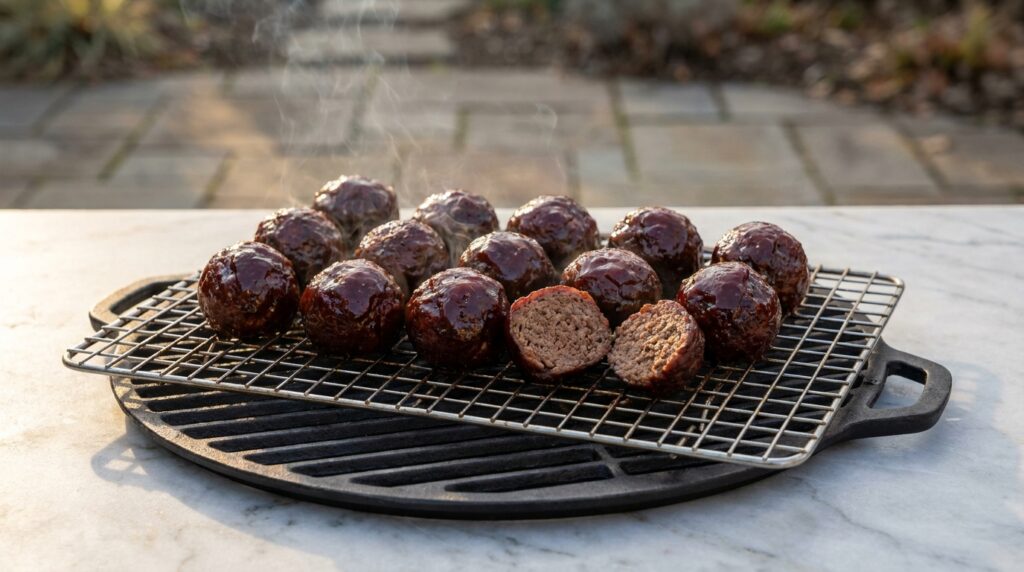
Planning, ingredients, preparation, and timing are the most critical elements to making and serving great food.
Having enough time is the most important part when it comes to slow and low!
Meat Smoking Calculator takes the thinking out of the process.
It makes cooking and serving amazing tasting smoked meats every time, on time.
SOME OF OUR FAVORITE SITES
Smoking a Turkey for Thanksgiving!
BBQ Brethren
Smoking Meat Forums
Deejay’s Smoke Pit
USDA’s Food Safety Guidelines
Smoking Pit
Virtual Weber Bullet
Smoking Times and Temps
* To help support this free site, posts contain affiliate links. If you use one of the affiliate links, we may earn a commission at no additional cost to you. As an Amazon Associate I earn from qualifying purchases.