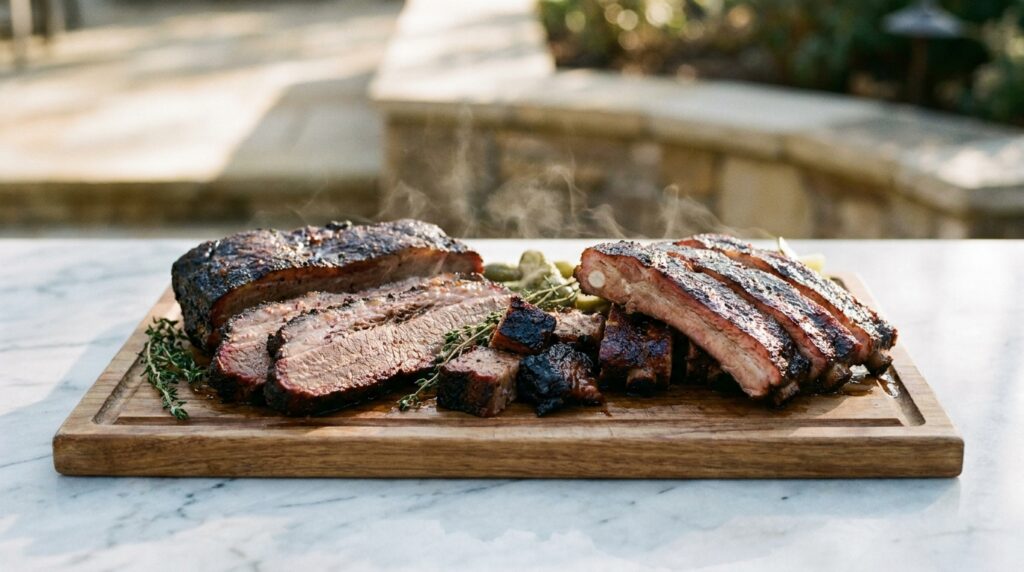
On Time, Every Time.
Doneness Temps for Smoked Meat
There are two different questions hiding inside “is it done?” One is safety: has this reached a temperature that makes it safe to eat? The other is texture: has the connective tissue rendered enough to be good? For a steak those answers are close together. For a brisket they are nearly 60°F apart, and that gap is what confuses people.
Safe minimums
These are the USDA figures. They are floors, not targets:
- Poultry (all of it, whole or ground): 165°F
- Ground meat (beef, pork, lamb): 160°F
- Whole-muscle beef, pork, lamb, veal: 145°F with a 3 minute rest
- Wild boar, feral hog and bear: 160°F, because of trichinella. Freezing is not a reliable substitute for heat with bear.
- Fish: 145°F
Time matters as well as temperature, which is why a steak can be safely served at 130°F if it is held there long enough. That is hold time, the minutes the coldest part of the meat has to stay at a given internal temperature, sometimes called a “kill back period” even though that is not a real food safety term. The pathogen behind most of those numbers is salmonella, and the temperature and time that actually kills it is a curve rather than a single figure: about 3 minutes at 150°F in poultry, instant at 165°F. For everyday cooking, treat the numbers above as the simple version, and see how the danger zone and the 140°F holding line work once the meat comes off the pit.
Where texture takes over
Beef is safe at 145°F, but a brisket at 145°F is inedible. Tough cuts are full of collagen, and collagen converts to gelatin over time rather than at a single magic number, running above roughly 190°F for hours. That is the whole reason barbecue takes so long.
So the barbecue cuts get pulled far past safe:
- Brisket: 200 to 205°F, probe-tender
- Pork butt, pulled: about 203°F, bone twists free
- Pork shoulder, sliced: 185 to 190°F, so it still holds together
- Beef ribs: about 203°F
- Pork ribs: no reliable number. Use the bend test.
- Chuck roast: 195 to 205°F for pulling, 130 to 135°F if you are slicing it like a steak
Where you should go past safe on purpose
Chicken thighs and legs are better at 175 to 180°F, not 165°F. Dark meat has more connective tissue, and those extra degrees render it. Chicken breast is the opposite: pull it at exactly 165°F, because there is nothing to render and every degree past is moisture lost.
This is the single most useful thing on this page. Most dry smoked chicken is breast cooked to thigh temperature, or thigh cooked to breast temperature.
Where you should stop short
Lean, tender cuts are ruined by extra heat. Pull these by doneness, not by safety:
- Steaks, prime rib, tri-tip, picanha: 130 to 135°F for medium-rare, unless you are cooking a tri-tip brisket-style to about 203°F, which is a different cook with the opposite ending
- Venison and elk backstrap: 130 to 135°F. Leaner than beef and far less forgiving.
- Pork loin and tenderloin: 145°F, and not a degree more
- Salmon: 125 to 135°F for hot smoking, depending on how firm you like it
Carryover and where you measure
Meat keeps cooking after it comes off. Expect 5 to 10°F of carryover on a thick roast, less on something thin. Pull early enough to account for it, especially on anything you want pink.
And measure properly. Thickest part, away from bone, and check more than one spot. A probe touching bone reads high and a probe in a fat seam reads low, which is how a perfectly good cook gets pulled 15 degrees off.
Frequently asked questions
What temperature is smoked meat done at?
It depends entirely on the cut. Tough cuts like brisket and pork butt need about 200 to 205°F for the collagen to render, while tender cuts like steak and pork loin are best at 130 to 145°F.
Why is brisket cooked to 203F when beef is safe at 145F?
Safety and texture are different questions. Beef is safe at 145°F, but brisket is full of collagen that only turns to gelatin above roughly 190°F over several hours. Below that it is safe but tough.
What temperature should chicken thighs be?
175 to 180°F, well past the 165°F safe minimum. Dark meat has connective tissue that needs the extra heat. Breast meat should come off at exactly 165°F.
How much does meat carry over after cooking?
Usually 5 to 10°F on a thick roast and less on thin cuts. Pull early enough to allow for it, particularly on anything you want to serve pink.
Every cut, style and method is in the full smoking times and temperatures chart, and the calculator plans the whole cook backward from your dinner time.
Written by John Kirker, who built the first meat smoking calculator in 2011. Times come from cooks we have actually run and logged; temperature and feel decide the finish, never the clock alone.
Reviewed by John Kirker, Founder, John Kirker Inc. - last updated October 5, 2026.

Rated 5by 500+ users
Tagline
Other Options
The MeatSmokingCalculator will help you plan the timeline for any meal.
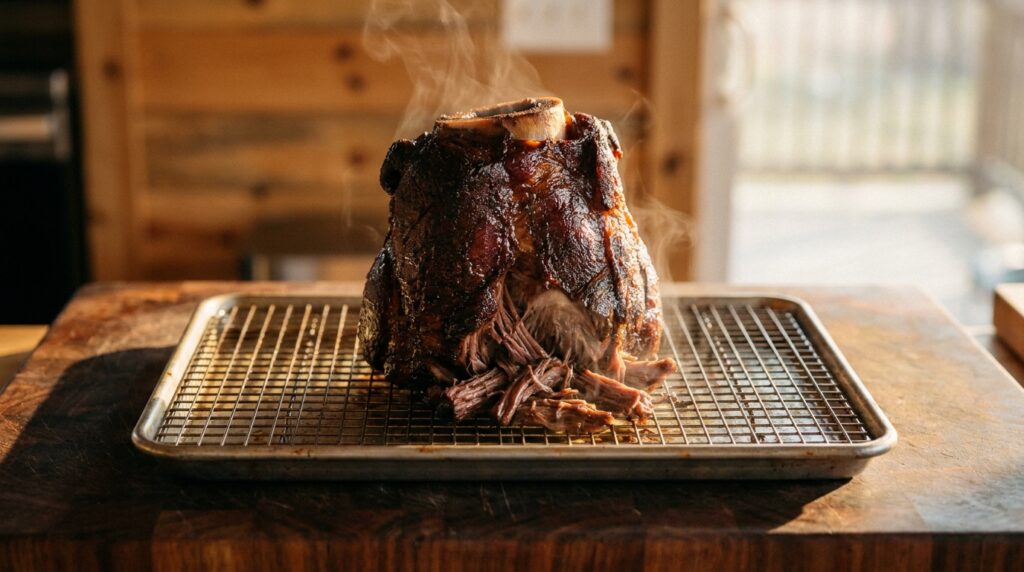
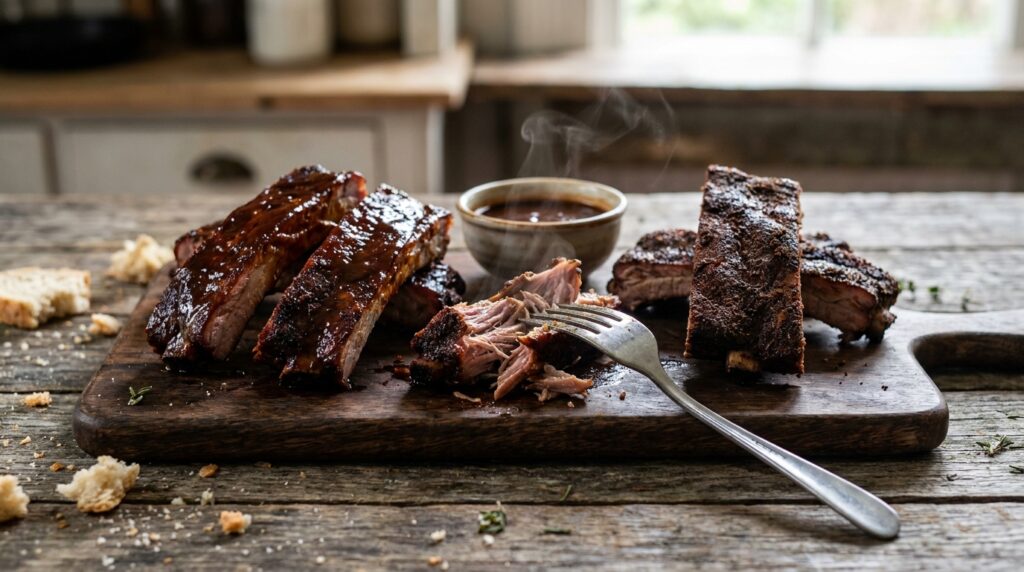
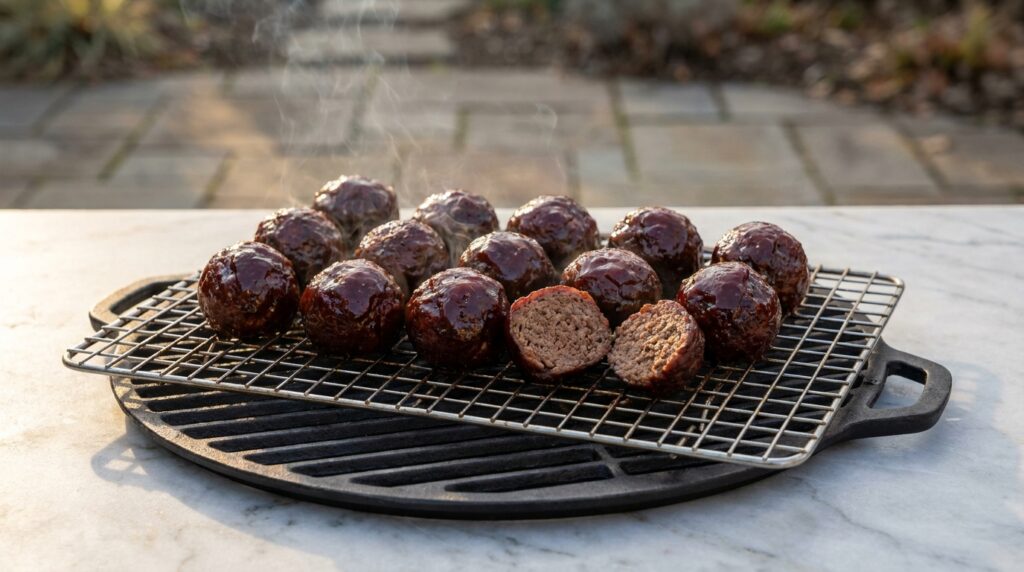
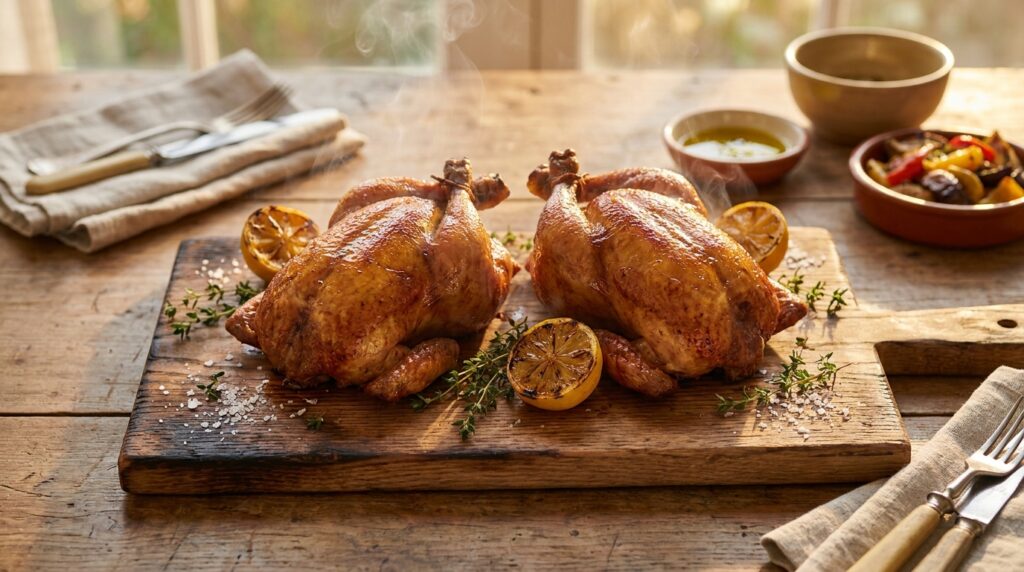
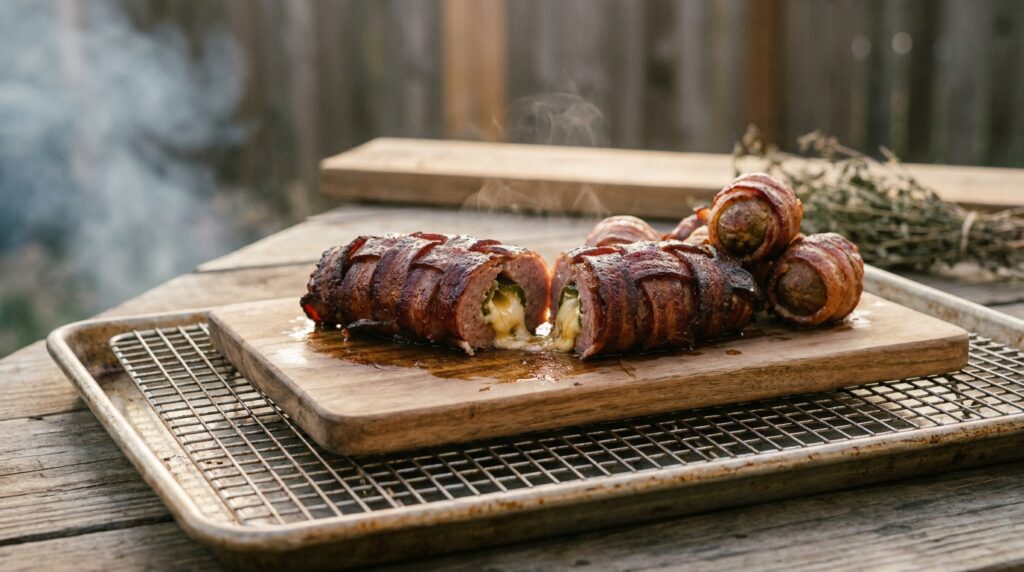
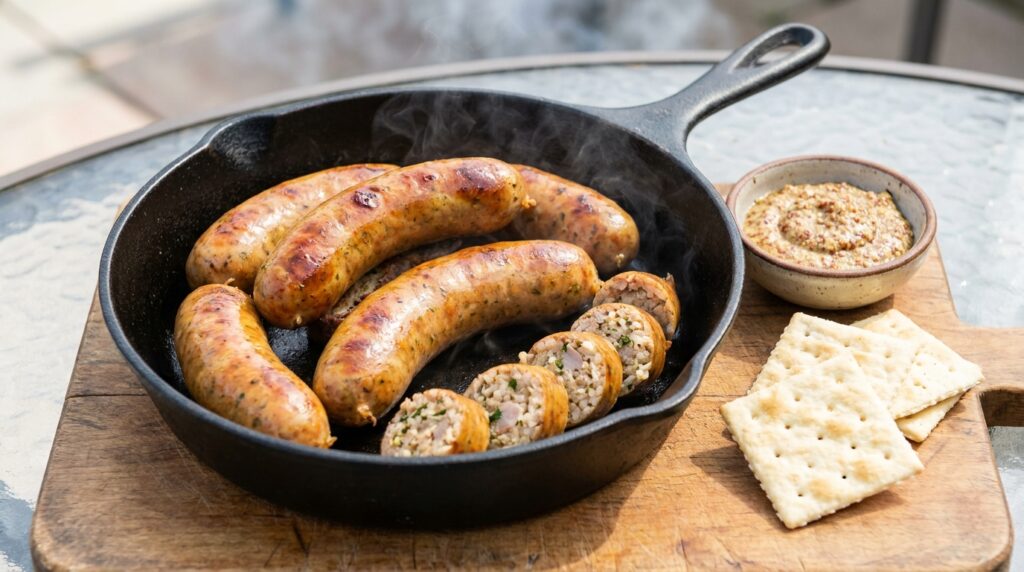
Planning, ingredients, preparation, and timing are the most critical elements to making and serving great food.
Having enough time is the most important part when it comes to slow and low!
Meat Smoking Calculator takes the thinking out of the process.
It makes cooking and serving amazing tasting smoked meats every time, on time.
SOME OF OUR FAVORITE SITES
Smoking a Turkey for Thanksgiving!
BBQ Brethren
Smoking Meat Forums
Deejay’s Smoke Pit
USDA’s Food Safety Guidelines
Smoking Pit
Virtual Weber Bullet
Smoking Times and Temps
* To help support this free site, posts contain affiliate links. If you use one of the affiliate links, we may earn a commission at no additional cost to you. As an Amazon Associate I earn from qualifying purchases.