On Time, Every Time.
How to Verify a Pasteurizing Hold: Reading the Appendix A Ladder on a Real Smoker
You cannot claim a pasteurizing hold you did not measure. The USDA FSIS hold times are real – poultry at a true 150°F internal is pasteurized in about 3 minutes, beef, pork and lamb in about 1 minute – but the clock only starts when the thickest part of the meat actually reaches that number and stays there. That means a calibrated probe, placed in the coldest spot, watched over time. One probe in one spot cannot verify a hold across an uneven cut.
- Calibrate in ice water before you trust any hold-time claim
- Probe the thickest part, away from bone, and check a second spot
- Hold times start when the meat reaches temp, not when the pit does
- Instant kill: 165°F poultry, 158°F beef, pork, lamb
- Below about 130°F, bacteria are not reliably killed at all
The situation you are actually in
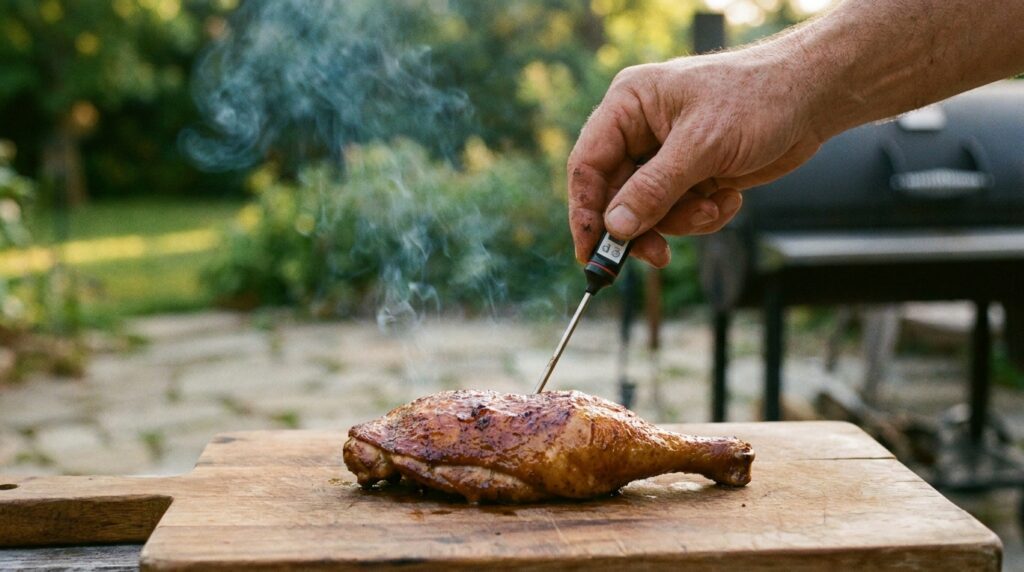
You read that chicken is safe at 150°F if you hold it, and it sounded like a cheat code. Then you stood at the pit at 11pm with one probe in a thigh, watching a number wobble between 148 and 153, and realized you had no idea whether you were holding anything.
That gap – between the science being true and you being able to prove it in your backyard – is the whole problem. The lethality data is not in question. Your measurement is.
If you want the underlying kill science laid out temperature by temperature, that lives in our companion guide on how long it takes to kill bacteria and pathogens. This page is about whether you can trust your own thermometer enough to use it.
The ladder, in 5-degree steps
These hold times come from the USDA FSIS Cooking Guideline for Meat and Poultry Products, Revised Appendix A, 2021 – the lethality standard commercial processors are held to. They represent a 7-log reduction (a ten-million-to-one kill) of Salmonella, the most heat-resistant of the common pathogens. Kill Salmonella and you have killed E. coli and Listeria with it.
| Internal temp | Poultry | Beef, pork, lamb | Notes |
|---|---|---|---|
| 165°F | Instant | Instant | No timer needed |
| 160°F | Under a minute | Instant | Ground-meat USDA target |
| 158°F | Under a minute | Instant | Beef instant-kill threshold |
| 155°F | Under 2 minutes | Well under a minute | Between the published steps |
| 150°F | About 3 minutes | About 1 minute | Published figure |
| 145°F | Several minutes | A few minutes | USDA whole-cut floor is 145°F + 3 min rest |
| 140°F | About 26 minutes | About 12 minutes | Low end of the safe range |
| 135°F | Roughly an hour-plus | Well under an hour | Steep climb as temp drops |
| 130°F | Around a couple of hours | Around a couple of hours | Practical floor |
| Below 130°F | Not reliably killed | Not reliably killed | 40-130°F is the growth zone |
The two anchors you can quote exactly are 150°F and 140°F. Everything between them scales steeply, which is why the difference between 145 and 140 is minutes versus tens of minutes, and why we argue for picking the 150°F hold over the 140°F one on a live-fire smoker. If you have seen these figures called a "kill back period", that is not a real food safety term, though the minutes behind it are. To verify a figure yourself, look up Appendix A of the 2021 revised FSIS cooking guideline and find the row for your meat and temperature.
Poultry fat content shifts the numbers
Appendix A publishes separate poultry columns by fat content, because fat slows heat transfer and offers pathogens a little protection. Higher-fat poultry needs a longer hold at the same internal temperature than lean poultry does. If you are working at the low end of the ladder, use the higher-fat, longer-hold column – it is the conservative read, and the cost of being conservative here is a few extra minutes.
How to actually measure this
Every hold time above is a claim about a number. If the number is wrong, the claim is worthless.
- Calibrate in ice water: slush, not floating cubes, stirred, reading 32°F. Do it before any cook where you plan to run below the instant-kill thresholds.
- Probe the thickest part of the muscle, away from bone. Bone conducts heat and reads high, which flatters you into pulling early.
- Slide the probe through and back to find the low point rather than stopping at first contact.
- Check a second and third spot. If they disagree by several degrees, you do not have a hold, you have an average.
- Start the clock only when the coldest spot you can find has reached the target, not when the pit air temp did.
A single probe cannot verify a hold in an uneven cut. A brisket flat and point are not the same temperature. A breast and a thigh are not the same temperature. In a controlled water bath the whole piece converges; on a pit it does not.
Color proves nothing. The pink smoke ring stays pink at any temperature. Trust the calibrated thermometer over the clock, and never the cut surface.
One logged cook, and what it taught us
Bone-in chicken thighs, pit set steady, two probes: one in the thickest part of the largest thigh away from bone, one in a smaller thigh at the edge of the grate. The large thigh crossed 150°F and then crawled – 150, 152, 151, 153 – for roughly 18 minutes before we pulled everything at 165°F.
The small thigh, meanwhile, hit 165°F while the big one was still reading 154°F. That is the lesson: the thickest part sat above 150°F for well over the 3 minutes poultry needs, so it was pasteurized long before it was pulled. But we only knew that because a second probe told us how far apart the two pieces were. The 165°F pieces were noticeably firmer and drier than the one that finished last, which is the honest cost of cooking to the safe piece rather than the average piece.
I stopped trying to run poultry low on a pit and started running it to 165°F fast. The pasteurization math is sound, but I could never prove the hold on the coldest thigh, and on a smoker I would rather be certain than clever.
Where a low hold is a real destination, and where it is not
Time-and-temperature pasteurization is a controlled, steady-temperature trick. A rising, uneven smoker cook cannot promise it, which is why our Doneness Temps for Smoked Meat guide treats the USDA figures as floors rather than targets.
The genuine exception is a hot hold after the cook is finished. Holding brisket long and low targets 150°F precisely because it sits comfortably above the 140°F food-safety threshold, not because 150°F is magic. Held there in a cambro or warming oven, brisket keeps tenderizing for hours without dropping into unsafe territory.
Ground meat has no measurable lane
Grinding spreads whatever bacteria was on the surface all the way through the patty, so a brief pass through 150°F on the way up means nothing. There is no hold and no protected interior to hold in.
Pull ground beef, pork and lamb at 160°F, and poultry of any kind at 165°F. That is why Well is preselected on our Smoked Burger Calculator.
The instant-kill numbers, when you do not want to time anything
These USDA minimums always work, because they are instant kills or have the rest built in:
- Poultry, whole or ground: 165°F
- Ground beef, pork, lamb: 160°F
- Whole-muscle beef, pork, lamb, veal: 145°F with a 3-minute rest
- Fish: 145°F
- Wild boar, feral hog and bear: 160°F, because of trichinella. Freezing is not a reliable substitute for heat with bear.
Where any figure here differs from current official guidance, follow the official guidance. Our food safety disclaimer says so plainly.
After the cook, one number replaces the ladder
Hot holding is simpler than pasteurizing: keep the meat at or above 140°F from the pit to the plate. Above 140°F bacteria cannot grow. Below it, health codes give you a cumulative 2 to 4 hours in the danger zone before food must be served or discarded.
A wrapped brisket going into a quality insulated box at 200°F will still be above 150°F six hours later, which is the whole game for cooking ahead. The details are in our holding and transporting guide.
Do not overcook for “safety”
Higher temperatures make muscle fibers contract and squeeze out moisture. Chicken taken to 175°F is dry; chicken finished at 160°F stays juicy. Since virtually all pathogens are already dead at 165°F, cooking hotter buys you no extra safety, only a worse dinner.
Measurement is what buys you the confidence to stop. Get the probe right and you can pull at the number instead of adding 15 degrees of insurance you never needed.
FAQ
How do I calibrate a meat thermometer at home?
Fill a glass with ice, top with water to make a slush rather than floating cubes, stir, and read. A calibrated probe shows 32°F. Do this before any cook where you plan to finish below the instant-kill thresholds of 165°F for poultry or 158°F for beef, pork and lamb.
Where exactly should I put the probe?
In the thickest part of the muscle, away from bone, because bone conducts heat and reads high. Push through and pull back to find the coldest point, then check a second spot in a different piece or a different lobe of the same cut.
Can one probe prove my meat held 150°F long enough?
No. A single probe reports one spot. A brisket flat and point, or a breast and a thigh, sit at different temperatures on a pit, so one reading cannot verify that the coldest part held. Use a second probe or default to the instant-kill numbers.
Is chicken safe at 150°F?
At a steady internal 150°F, poultry is pasteurized in about 3 minutes. The science is not the issue, holding it steady is. On an uneven pit, pull poultry at 165°F. In a water bath, the 150°F route is fully safe and juicier.
Does holding meat at 130°F kill bacteria?
Not reliably. Below about 130°F bacteria are not reliably killed, and between 40 and 130°F they actively multiply. Treat 130°F as the practical floor and do not let food linger in that zone for more than a few hours total.
What temperature kills E. coli in ground beef?
The USDA consumer recommendation for ground beef is 160°F, an instant kill. E. coli, including O157:H7, is slightly less heat-tolerant than Salmonella, so any time-and-temperature combination that kills Salmonella has already killed it.
Can I plan a low-and-slow cook and still be safe?
Yes, provided the coldest part of the meat reaches and holds a pasteurizing temperature for the required time. Our smoking times and temperatures chart and calculator block any plan that would put a cut below its safe minimum.
Written by John Kirker, who built the first meat smoking calculator in 2011. Times come from cooks we have actually run and logged; temperature and feel decide the finish, never the clock alone.
Reviewed by John Kirker, Founder, John Kirker Inc. - last updated October 5, 2026.
Sources for this article
- USDA FSIS Cooking Guideline for Meat and Poultry Products, Revised Appendix A, 2021, 7-log Salmonella reduction - source of all hold times
- 150F: poultry about 3 minutes; beef/pork/lamb about 1 minute
- 140F: poultry about 26 minutes; beef/pork/lamb about 12 minutes
- Instant kill: 165F poultry, 158F beef/pork/lamb
- Below about 130F bacteria not reliably killed; 40-130F they multiply; 130F practical floor; do not linger more than a few hours
- USDA minimums: poultry 165F, ground meats 160F, whole-muscle beef/pork/lamb/veal 145F + 3 min rest, fish 145F, wild boar/feral hog/bear 160F (trichinella; freezing not reliable for
- E. coli including O157:H7 slightly less heat-tolerant than Salmonella
- Ground meat: grinding spreads surface bacteria through the patty; 150F on the way up means nothing; pull ground at 160F, poultry 165F
Facts drawn from this site's own documented knowledge and first-hand experience.

Rated 5by 500+ users
Tagline
Other Options
The MeatSmokingCalculator will help you plan the timeline for any meal.
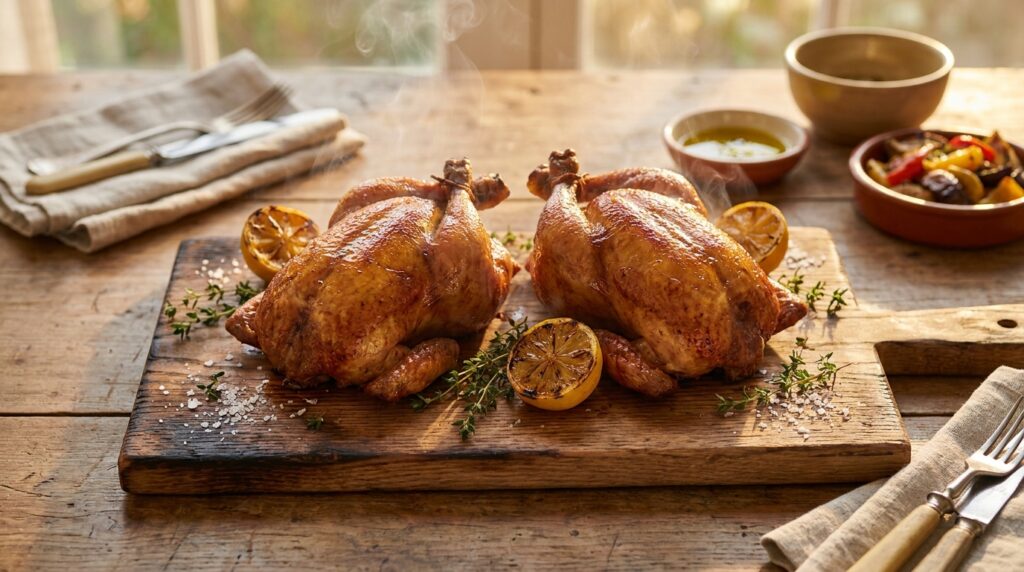
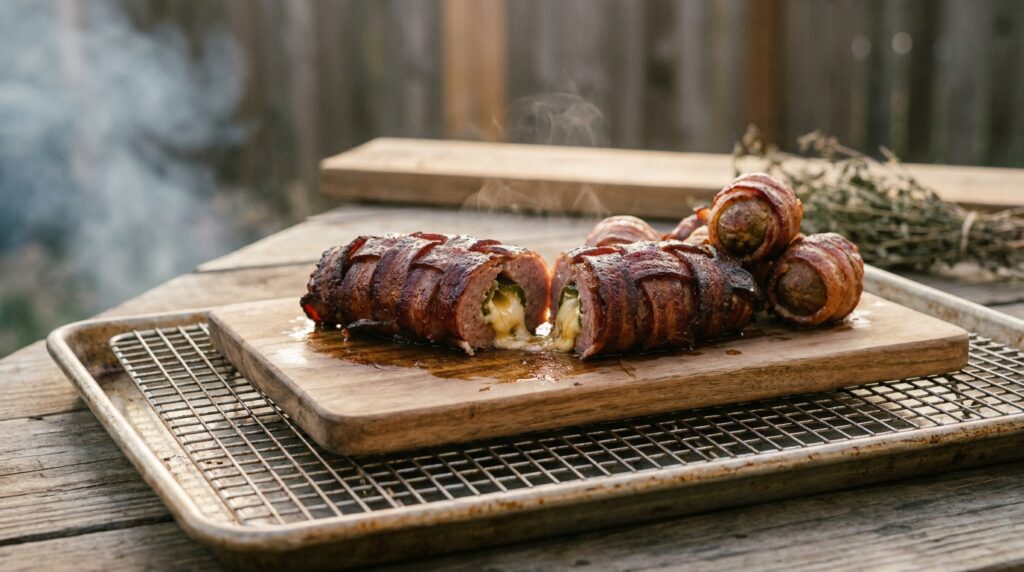
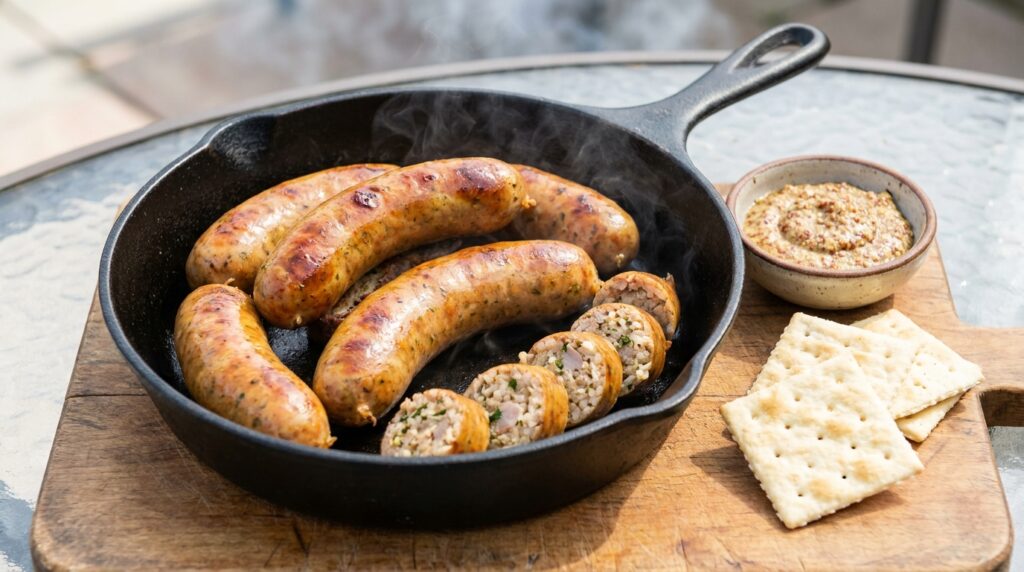
Planning, ingredients, preparation, and timing are the most critical elements to making and serving great food.
Having enough time is the most important part when it comes to slow and low!
Meat Smoking Calculator takes the thinking out of the process.
It makes cooking and serving amazing tasting smoked meats every time, on time.
SOME OF OUR FAVORITE SITES
Smoking a Turkey for Thanksgiving!
BBQ Brethren
Smoking Meat Forums
Deejay’s Smoke Pit
USDA’s Food Safety Guidelines
Smoking Pit
Virtual Weber Bullet
Smoking Times and Temps
* To help support this free site, posts contain affiliate links. If you use one of the affiliate links, we may earn a commission at no additional cost to you. As an Amazon Associate I earn from qualifying purchases.