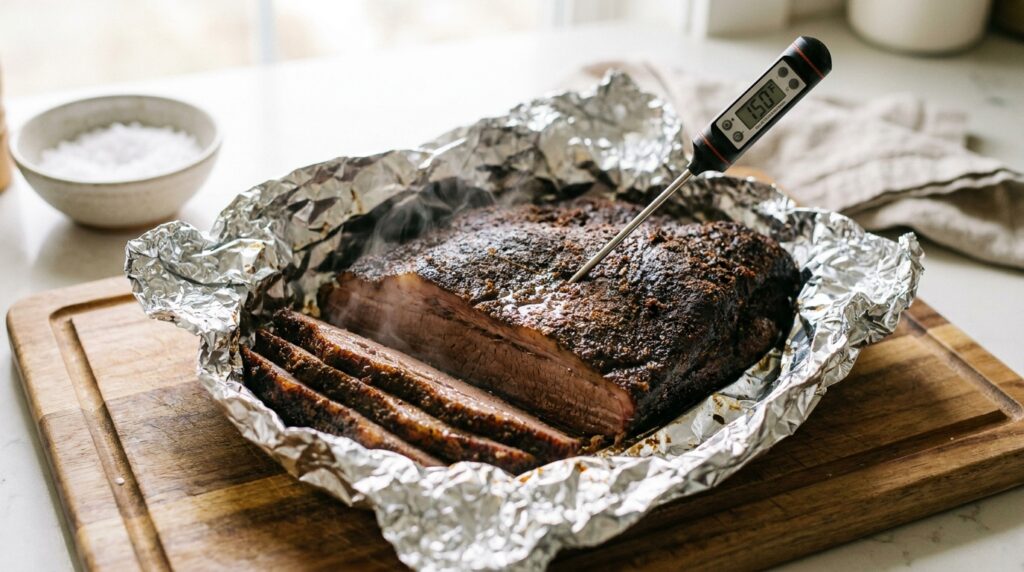
On Time, Every Time.
How Long at 150F to Kill Bacteria? What’s Actually Safe
There is no single published “hold X minutes at 150F and you’re safe” number in our guides, and that’s the honest answer: safety at 150F depends on which meat, whether it’s ground or whole-muscle, and how long the temperature is actually held, not just touched. What we can say plainly: for ground meats and poultry, 150F is not a finish line at all, it’s a temperature you pass through, not park at. For whole-muscle beef, pork, lamb or veal, the USDA floor is 145F with a 3 minute rest, so 150F held for any real stretch clears that bar easily. The catch is that 150F also happens to sit right inside the stall, the range where your pit seems to stop working.
Why “150F for a few minutes” isn’t one rule
Time-and-temperature pasteurization is real. A steak can be safely served at 130F if it’s held there long enough, and that same logic is what lets sous-vide and water-bath cooks run cooler than USDA’s simple numbers. It’s also the idea behind what some cooks call a “kill back period,” which is really just hold time at a given internal temperature: roughly 12 minutes at 140F for beef, pork and lamb, and about 26 minutes for poultry. But it is a controlled, steady-temperature trick, not something a rising, uneven smoker cook can promise. Our own Doneness Temps for Smoked Meat guide treats the USDA figures as floors, not targets, and for everyday pit cooking, that’s the right way to read them.
Ground meat and poultry: 150F is never the answer
Ground beef, pork and lamb need 160F. Ground poultry, and poultry of any kind, needs 165F, full stop, with no informed-choice lane the way there is for fresh-ground beef. Our Smoked Burger Calculator, Chicken Burger Calculator, and Turkey Burger Calculator all preselect Well for exactly this reason: grinding spreads whatever bacteria was on the surface all the way through the patty, so a brief pass through 150F on the way up means nothing. Pull ground meat at 160F, pull poultry at 165F, and trust the probe over the clock.
Whole-muscle cuts: 150F is already past the line
For whole-muscle beef, pork, lamb or veal, the safe minimum is 145F with a 3 minute rest. If a roast or brisket flat is sitting at 150F, it has already cleared that bar, the question at that point is texture and tenderness, not safety. That’s a different conversation than the one happening with a stalled brisket, which is why we wrote How Long Does a Brisket Stall at 150 Degrees? as its own piece. A stall at 150F can run 45 minutes to six hours depending on humidity, airflow and the size of the cut. The meat is not “sitting in a danger zone” the way people assume, it’s simply moving slowly through a temperature that’s already past the whole-muscle safety floor.
The one place 150F is a deliberate destination
The exception is a long hot hold after the cook is done. Our piece on holding brisket long and low targets 150F specifically because it sits comfortably above the 140F food-safety threshold, not because it’s a magic pasteurization number. It also shortens the pasteurization math considerably, which is the practical case for choosing a 150F hold over a 140F one on a live-fire smoker. Held there, brisket keeps tenderizing for hours without dropping into unsafe territory. That’s a controlled hold in a cambro or warming oven, not the uneven crawl of a stalling pit.
Where 150F actually shows up on the smoker
Most cooks meet 150F inside the stall, which typically runs 150 to 170F, most often clustering around 160F. See our full breakdown in The Stall: What It Is and How to Beat It. Starting the stall at 150F instead of 160F doesn’t reliably make it longer or shorter, it just means the wall arrives a little earlier. Either way, plan on 45 minutes to six hours before it breaks on its own, and don’t mistake a stalled thermometer for a food-safety problem, it almost never is once you’re past 145F on whole-muscle cuts.
Use the calculator instead of guessing
Because stall length and pull temperature vary so much by cut, cook temp and humidity, we built a planner rather than a fixed chart. Punch in your meat and target doneness below, and cross-check pull temps against our Smoking Times and Temperatures Chart for the full set of USDA floors and pitmaster targets side by side.
FAQ
Is 150F safe for chicken or turkey?
No. Poultry, ground or whole, needs 165F. There’s no informed-choice lane the way there is for beef, because grinding and poultry’s own salmonella kill temperature and hold time both push the floor higher. Pull at 165F and trust the reading.
Is 150F safe for a burger?
Not for ground beef, pork or lamb, those need 160F. USDA calls for 160F because grinding spreads surface bacteria through the whole patty, which is why Well is preselected on our burger calculators.
Why does my brisket sit at 150F for hours and not move?
That’s the stall, and it’s normal. It usually happens between 150 and 170F, most often around 160F, and depends on humidity, airflow and the size of the cut. It can run anywhere from 45 minutes to six hours before breaking on its own.
Can I hold meat at 150F for a long time safely?
Yes, for whole-muscle cuts like brisket, a hold at 150F or above is safe because it sits comfortably over the 140F food-safety threshold, that’s exactly why long hot holds are often targeted right at 150F rather than lower.
What’s the real safe minimum I should remember?
Ground meat (beef, pork, lamb): 160F. All poultry: 165F. Whole-muscle beef, pork, lamb, veal: 145F with a 3 minute rest. Treat these as floors, not targets, and use a probe rather than the clock or the color of the meat.
Written by John Kirker, who built the first meat smoking calculator in 2011. Times come from cooks we have actually run and logged; temperature and feel decide the finish, never the clock alone.
Reviewed by John Kirker, Founder, John Kirker Inc. - last updated October 5, 2026.

Rated 5by 500+ users
Tagline
Other Options
The MeatSmokingCalculator will help you plan the timeline for any meal.
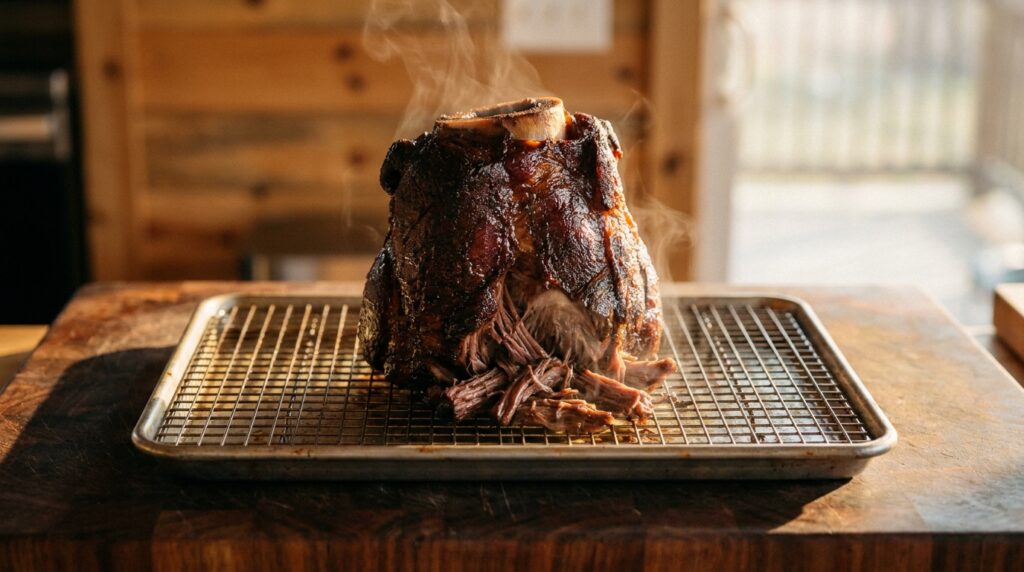
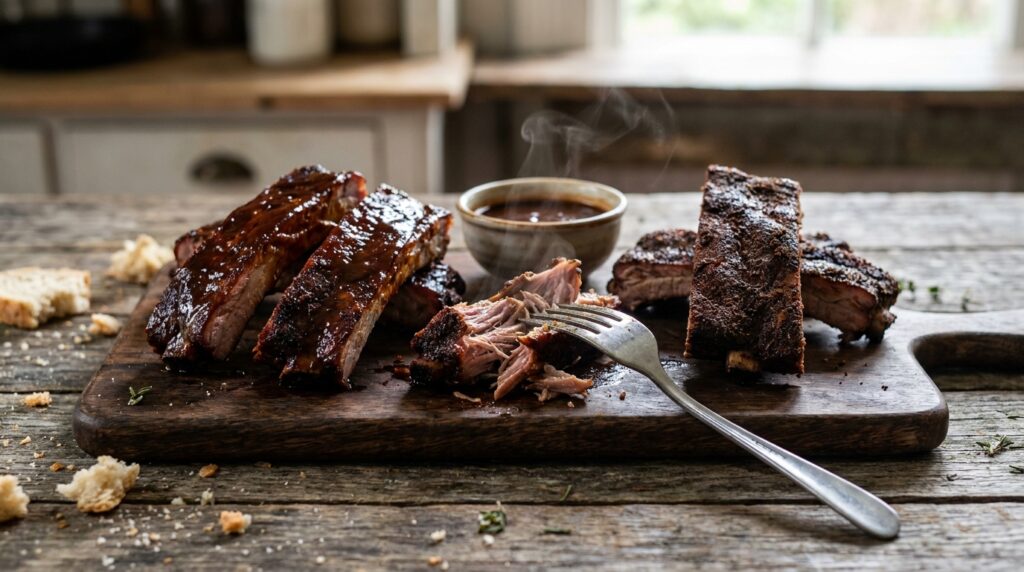
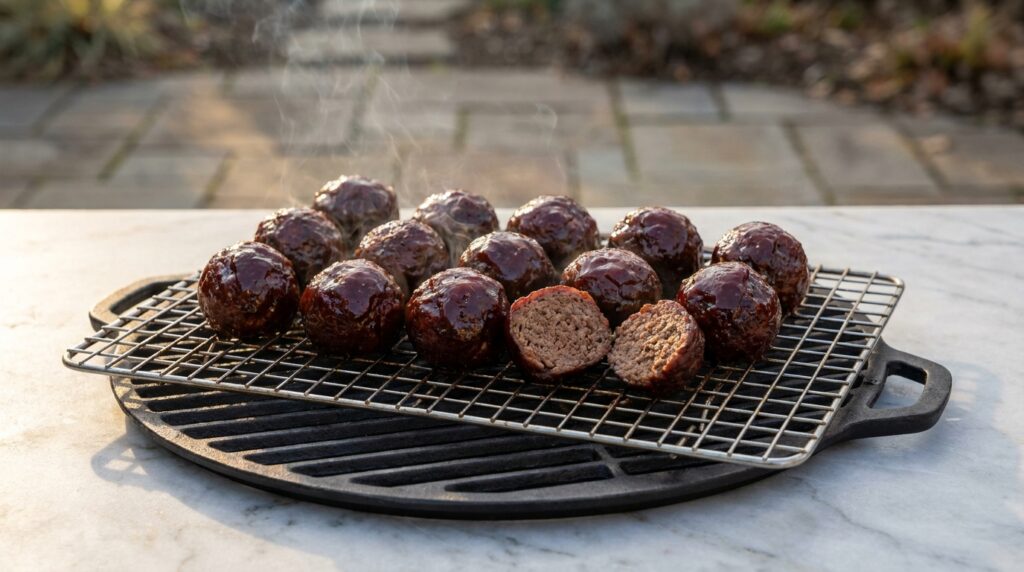
Planning, ingredients, preparation, and timing are the most critical elements to making and serving great food.
Having enough time is the most important part when it comes to slow and low!
Meat Smoking Calculator takes the thinking out of the process.
It makes cooking and serving amazing tasting smoked meats every time, on time.
SOME OF OUR FAVORITE SITES
Smoking a Turkey for Thanksgiving!
BBQ Brethren
Smoking Meat Forums
Deejay’s Smoke Pit
USDA’s Food Safety Guidelines
Smoking Pit
Virtual Weber Bullet
Smoking Times and Temps
* To help support this free site, posts contain affiliate links. If you use one of the affiliate links, we may earn a commission at no additional cost to you. As an Amazon Associate I earn from qualifying purchases.