On Time, Every Time.
3-2-1 Ribs on a Pellet Grill (and Why Baby Backs Need 2-2-1)
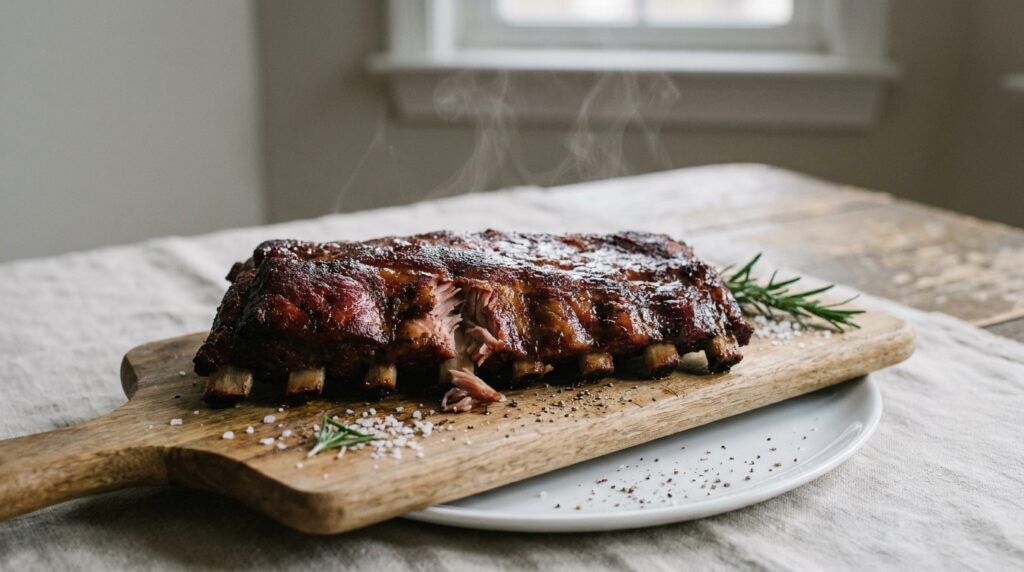
The 3-2-1 method on a pellet grill means 3 hours smoking naked at 225°F, 2 hours wrapped, then 1 hour unwrapped and sauced to set the glaze. It was designed for full-size spare ribs. Baby backs are smaller and leaner, so they want 2-2-1 instead – run the original 3-2-1 on baby backs and you will usually get mush.
What the numbers actually do
- The 3 (naked smoke). This is the only stage where the meat takes on smoke and builds bark. Nothing else in the method can replace it.
- The 2 (wrapped). Foil traps steam and blasts through the collagen. This is the tenderizing stage, and it is the one that most often goes too far.
- The 1 (unwrapped, sauced). Dries the surface back out, firms the bark that the foil softened, and sets a glaze if you sauce.
Read it that way and it is obvious why the ratio has to change with the rib. Spare ribs are bigger, fattier and tougher, so they tolerate two full hours of steam. Baby backs are leaner and thinner, and two hours wrapped turns them to jelly.
Which ribs, which numbers
- Spare ribs / St. Louis cut – the original 3-2-1 at 225°F.
- Baby back ribs – 2-2-1, or 3-1-1 if you want more smoke and less steam.
- Competition bite – shorter wrap again, around 2.5-1-1. You want the meat to come off cleanly with a bite, not fall off the bone.
The calculator above has all of these as presets. “Fall-off-the-bone” is the longest wrap, “competition” the shortest.
Prep
Pull the membrane off the bone side. Slide a butter knife under it at one end, grab it with a paper towel and peel. Leaving it on gives you a leathery layer that blocks smoke and seasoning.
Trim any loose flaps. Bind with a thin layer of mustard or oil if you want, then season generously on both sides. Pork takes sweeter rubs well – brown sugar, paprika, salt, pepper, garlic. Let the rub sweat until it looks wet before the ribs go on.
Running it on a pellet grill
- Preheat to 225°F and use Super Smoke or your smoke setting for the naked phase. This is where all the smoke flavor comes from.
- Smoke bone-side down for the first stage. Spritz with apple juice or a 50/50 cider vinegar and water mix every 45 minutes or so if the surface is drying out. Do not open the lid more than you need to.
- Wrap in heavy foil, meat-side down, with a little liquid – apple juice, butter and brown sugar is the classic “Texas crutch” combination. Seal it tight.
- Unwrap, sauce and set. Back on the grate for the final stage. If you are saucing, brush thin coats in the last 20 to 30 minutes so the sugar does not burn.
How to tell when ribs are done
Not by temperature alone. Ribs are thin, and probing between bones gives you inconsistent numbers. Use these instead:
- The bend test. Pick the rack up with tongs about a third of the way down. It should bow deeply and the surface should crack. If it stays stiff, it needs more time.
- Bone pull-back. The meat should have receded a quarter inch or so from the bone ends.
- Toothpick test. A probe or toothpick between bones should slide in with almost no resistance.
If you want a number, most ribs land somewhere around 198-203°F, but the bend test is the one competitors trust.
Best pellets for ribs
Pork is friendly to almost everything. Apple and cherry are the classics – mild, slightly sweet, and cherry deepens the color beautifully. Hickory is the traditional barbecue answer and stands up to a sweet rub. Competition blends are usually a cherry-hickory-maple mix and are hard to beat on ribs. Mesquite is a bit much for a six hour cook.
Frequently asked questions
Is 3-2-1 too long for baby backs?
Usually yes. Baby backs are leaner and thinner than spares, and a full two hours wrapped tends to overshoot into mushy. Try 2-2-1, and shorten the wrap further if you like a firmer bite.
What temperature for 3-2-1 ribs on a pellet grill?
225°F throughout. You can run 250°F to speed things up, but then the 3-2-1 timings no longer apply – shorten each stage.
Do I have to wrap ribs?
No. Unwrapped ribs (sometimes called “naked” or Texas-style) have better bark and a firmer bite, they just take longer and are less forgiving. The wrap is a tenderness and speed tool, not a requirement.
Should I spritz?
It helps keep the surface from drying and can improve color, but every lid opening costs you heat and smoke. Every 45 to 60 minutes is plenty. On a pellet grill, which already runs moist, it matters less than on an offset.
Meat side up or down in the foil?
Meat-side down. It sits in the liquid you added, which is exactly where you want the sugar and butter working.
Plan your rack
Pick your rib type and method above, set your dinner time, and the calculator lays out each stage – when to trim, when to wrap, when to sauce, when to rest. If you are also feeding a crowd, see how to smoke ribs and a pork shoulder on the same pit by staggering the start times. See also the rib methods hub comparing 3-2-1, 2.5-1-1 and competition timing, and the pork smoking guides.
Written by John Kirker, who built the first meat smoking calculator in 2011. Times come from cooks we have actually run and logged; temperature and feel decide the finish, never the clock alone.
Reviewed by John Kirker, Founder, John Kirker Inc. - last updated October 5, 2026.

Rated 5by 500+ users
Tagline
Other Options
The MeatSmokingCalculator will help you plan the timeline for any meal.
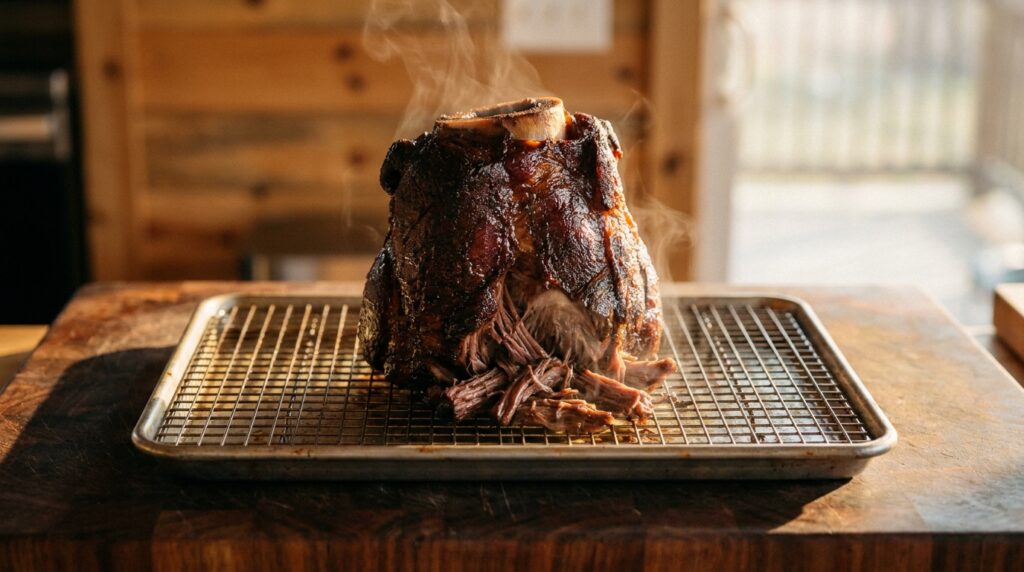
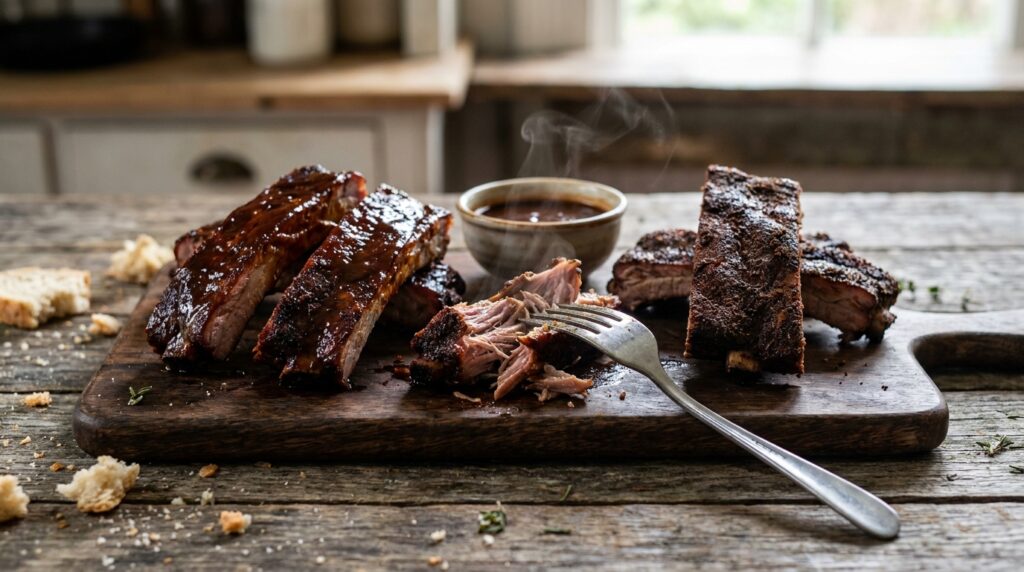
Planning, ingredients, preparation, and timing are the most critical elements to making and serving great food.
Having enough time is the most important part when it comes to slow and low!
Meat Smoking Calculator takes the thinking out of the process.
It makes cooking and serving amazing tasting smoked meats every time, on time.
SOME OF OUR FAVORITE SITES
Smoking a Turkey for Thanksgiving!
BBQ Brethren
Smoking Meat Forums
Deejay’s Smoke Pit
USDA’s Food Safety Guidelines
Smoking Pit
Virtual Weber Bullet
Smoking Times and Temps
* To help support this free site, posts contain affiliate links. If you use one of the affiliate links, we may earn a commission at no additional cost to you. As an Amazon Associate I earn from qualifying purchases.