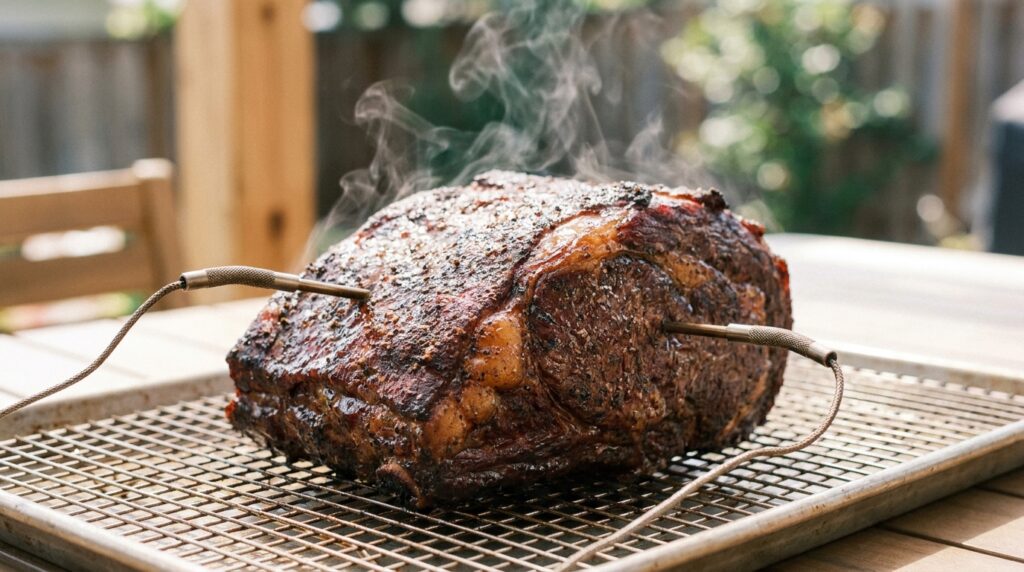
On Time, Every Time.
“Kill Back Period” for Meat: The Term Is Wrong, the Numbers Are Real
“Kill back period” is not a real food safety term, but the numbers behind it are. The real concept is hold time: the minutes the coldest part of the meat must stay at a given internal temperature to reach a safe kill. Nothing runs backwards, and it is not a rest after cooking. At 140F, beef, pork and lamb need about 12 minutes and poultry about 26 minutes at the coldest point. At 150F it drops to about 1 minute for beef and about 3 minutes for poultry. 165F is an instant kill for both. The temperature the smoker touched is irrelevant.
- “Kill back period” is not a code term. The real term is hold time, also called dwell time, measured at the coldest point.
- Published Appendix A rows: 140F is about 12 minutes (beef, pork, lamb) and about 26 minutes (poultry); 150F is about 1 minute and about 3 minutes.
- 165F is an instant kill for poultry and for beef, pork and lamb. 158F is the beef instant-kill threshold.
- Below 130F, bacteria are not reliably killed. 40 to 130F is the growth zone.
- Danger-zone time is cumulative, and reheating does not reset it.
What people actually mean by “kill back period”
You have a probe reading a number you are not sure you can trust, a guest list, and a phrase you half-remember from a forum thread. That is the actual situation, and the phrase is the least useful part of it.
It is two real ideas mashed together: the kill step, meaning heat that destroys pathogens, and the hold period, meaning how long the meat has to sit at that heat. Two plain definitions, because everything below leans on them. Hold time is how many minutes the coldest part of the meat stays at a stated internal temperature. Pasteurization is the reduction of pathogens to a safe level by that combination of temperature and time, not by temperature alone.
The trade is simple: higher internal temperature, shorter hold. High temperature is near-instant. Lower temperature runs minutes to hours. The full logic sits in our guide to smoked meat food safety, the danger zone and the 140F line.
The belief to drop first: a rest is not a kill
Most people asking about a “kill back period” believe that pulling the meat and letting it sit finishes the safety job. It does not, with one narrow exception. The USDA whole-muscle floor of 145F carries a stated 3-minute rest, and that rest is part of the published minimum. Everything else you do on the counter is a juice and texture decision.
A rest is a falling temperature. Hold time counts only the minutes the coldest point spends at or above your target, so a rest that starts at 138F banks no credit toward a 140F hold.
The danger-zone rule says nothing about the temperature the meat touched. It cares about the temperature the coldest part of the meat actually held, and for how long it held it.
How long can meat be held at 140F to 150F safely?
At 140F internal at the coldest point: about 12 minutes for beef, pork and lamb, about 26 minutes for poultry. At 150F: about 1 minute for beef, pork and lamb, about 3 minutes for poultry. Those four figures are quoted directly from USDA FSIS Appendix A (rev. 2021).
The ladder, with each figure labeled
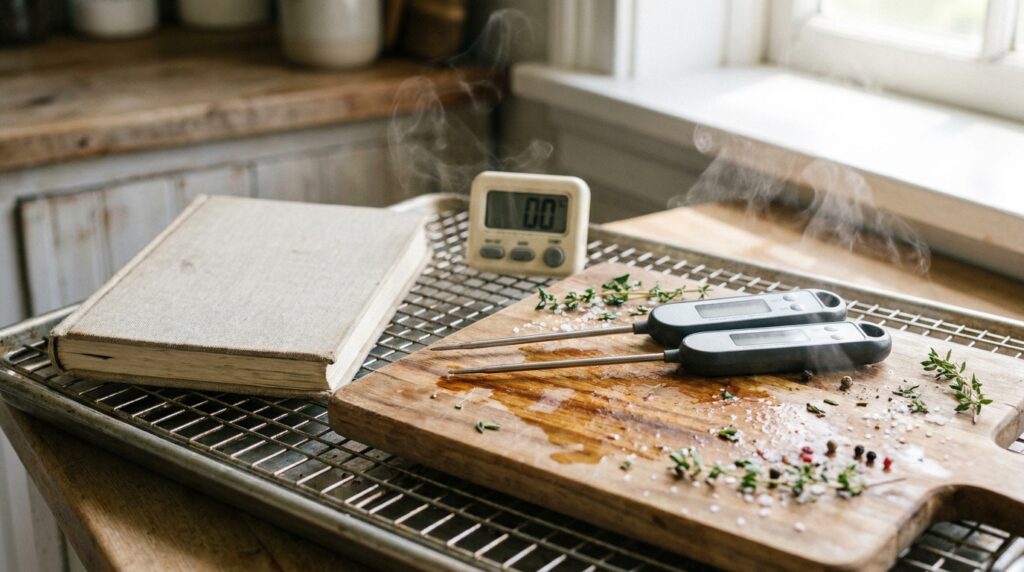
Only the 150F and 140F rows are published in our source. It jumps straight from 140F to 150F, so the 145F row below is an interpolated bracket between those two published times, and below 140F we publish no time at all.
| Internal temp | Poultry | Beef, pork, lamb | Status of the figure |
|---|---|---|---|
| 165F | Instant | Instant | Instant-kill threshold |
| 160F | 0 seconds to about 3 minutes | Instant | Interpolated bracket between the 165F instant kill and the 150F row. 160F is the USDA ground-meat target |
| 158F | 0 seconds to about 3 minutes | Instant | Beef instant-kill threshold; poultry figure interpolated |
| 155F | 0 seconds to about 3 minutes | Instant | Interpolated between the 165F and 158F instant kills and the 150F row |
| 150F | About 3 minutes | About 1 minute | Published |
| 145F | About 3 to 26 minutes | About 1 to 12 minutes | Interpolated bracket between the 150F and 140F rows. USDA whole-cut floor is 145F plus a 3 minute rest |
| 140F | About 26 minutes | About 12 minutes | Published |
| 135F and 130F | No figure we can quote | No figure we can quote | Source jumps 140F to 150F. 130F is the practical floor |
| Below 130F | Not reliably killed | Not reliably killed | 40 to 130F is the growth zone |
Your row can shift with conditions. Appendix A prices its times against assumptions about fat content, humidity in the pit, and how fast the meat came up to temperature. Look up Appendix A of the 2021 revised FSIS cooking guideline, find your meat and temperature, and read the stated conditions with it. Where anything here differs from current official guidance, follow the official guidance.
What to do in the next ten minutes
Can you count this hold?
Theory is cheap. These are the moves that make a hold defensible before you count a single minute.
- Ice-bath your probe first. Slush of ice and water, probe in the middle, not touching the cup. It should read 32F. Whatever it actually reads is your offset, and you apply it to every number below. An uncalibrated probe makes the whole ladder decorative.
- Place a second probe. First probe in the thickest part, second one about an inch away in the next-thickest section, ideally on the side nearest the cooler wall of the pit. Two readings, not one.
- Run the clock off the lower number. Always. If the two probes disagree by three degrees, the low one is your coldest point until proven otherwise.
- If the coldest point dipped mid-hold, restart the count at zero. Banked minutes below target do not carry, and the dip itself also counts against your cumulative danger-zone total.
- Keep the lid shut for the duration of the hold. One opening can cost more clock than the hold itself, as the arithmetic below shows.
The numbers that need no timer
If you would rather not track dwell time at all, these USDA minimums are instant kills or have the rest built in.
- Poultry, whole or ground: 165F
- Ground beef, pork, lamb: 160F
- Whole-muscle beef, pork, lamb, veal: 145F with a 3-minute rest
- Fish: 145F
- Wild boar, feral hog and bear: 160F, because of trichinella. Freezing is not a reliable substitute for heat with bear.
One row people misread constantly: for ground meats and poultry, 150F is not a finish line at any hold time. It is a temperature you pass through, not park at.
Doing the arithmetic, including the lid
How a 140F hold gets counted
Here is how a hold gets counted on a whole-muscle beef cook targeting 140F, which needs about 12 minutes.
- Coldest probe reads 140F at 3:12 pm. Clock starts. Earliest clear: 3:24 pm.
- 3:18 pm, six minutes banked. You open the lid for a chunk of wood.
- Coldest probe sags to 137F. Below target, so the count stops and the six minutes are gone.
- 3:23 pm, the probe is back to 140F. The clock restarts at zero, not at six.
- New clear time: 3:35 pm. One lid opening cost 11 minutes.
Note step 3 again: the count runs off the coldest probe, not the higher one and not the grate. Separately, the danger-zone clock keeps its own tally. Health codes give a cumulative 2 to 4 hours in the danger zone before food must be served or discarded. Cumulative is the key word: time spent below 140F earlier in the day counts against the same total, and reheating does not reset it. In that example, the five minutes at 137F come off that budget too.
Where lean game makes this bite
Wild game is where this question usually starts, because safe-temperature advice and good-eating advice pull in opposite directions. Treat elk backstrap like a prime steak, not like beef chuck: every instinct that says give it more time is wrong there. Same with venison backstrap, which should never go past medium if you can help it.
The exception is the one on the list above. Wild boar, feral hog and bear go to 160F because of trichinella, and freezing is not a reliable substitute for heat with bear. That is a species-driven safety line, not a doneness preference.
Plan the cook around the hold, not the guess
Hold time is minutes. Getting to the hold is hours, and that is the part that wrecks dinner. Enter your cut and weight in the smoking calculator and it returns an estimated cook window and finish time you can schedule around. It is an estimate, not a guarantee, so build slack in and let the probe make the final call.
To watch the ladder behave on live fire, read how to verify a pasteurizing hold on a real smoker. If you are still choosing a target, 140F versus 150F is the comparison to read before you commit. Get the coldest point right and the phrase stops mattering: you will be counting real minutes on a number you trust.
FAQ
Is “kill back period” a real food safety term?
No. It is not USDA or health-code language. The real concept is hold time, also called dwell time: the minutes the coldest part of the meat spends at a given internal temperature. If someone uses the phrase, ask which temperature and how many minutes, and you will reach the actual answer.
How long does meat need to be held at 140F to kill bacteria?
About 12 minutes for beef, pork and lamb and about 26 minutes for poultry, measured at the coldest point. Both are published Appendix A (rev. 2021) figures. If the coldest point dips below 140F, the count stops and restarts from zero.
Does resting meat after cooking kill bacteria?
Only in one published case: the USDA whole-muscle floor of 145F includes a 3-minute rest as part of the minimum. Otherwise a rest is a falling temperature and banks no hold credit, because the coldest point must be at or above your target for the clock to run.
Can I hold meat at 130F and call it safe?
Only under controlled, steady temperature. Time-and-temperature pasteurization at 130F is real logic and it is what sous-vide relies on, but a rising, uneven smoker cannot promise it. Below about 130F bacteria are not reliably killed, so treat 130F as the practical floor. Our source publishes no hold time below 140F, so we quote none.
Does time below 140F earlier in the day count against me?
Yes. Health codes allow a cumulative 2 to 4 hours in the danger zone before food must be served or discarded, and reheating does not reset that total. Add up every stretch: the stall, the counter, the cooler transport, the drive to the party.
What temperature kills bacteria instantly?
165F is an instant kill for poultry and for beef, pork and lamb. 158F is the beef instant-kill threshold. Hit either and no timer is needed. For ground meats, 160F is the USDA target, and 150F is never a finish line for ground meat or poultry at any hold time.
Where do I look up the official numbers myself?
Appendix A of the 2021 revised FSIS cooking guideline. Find your meat and your temperature, and read the stated conditions with it, because the times are priced against assumptions about fat content, pit humidity and how fast the meat came up. Where anything on this page differs from current official guidance, follow the official guidance.
Written by John Kirker, who built the first meat smoking calculator in 2011. Times come from cooks we have actually run and logged; temperature and feel decide the finish, never the clock alone.
Reviewed by John Kirker, Founder, John Kirker Inc. - last updated September 11, 2026.
Sources for this article
- Appendix A (rev. 2021) published rows: 140F = about 12 min beef/pork/lamb, about 26 min poultry; 150F = about 1 min and about 3 min
- 145F row is an interpolated bracket between the 140F and 150F published rows; nothing published below 140F
- 165F instant kill for poultry and beef; 158F beef instant-kill threshold; 160F USDA ground-meat target
- Below 130F bacteria not reliably killed; 40 to 130F is the growth zone; 130F is the practical floor
- Cumulative 2 to 4 hours in the danger zone; reheating does not reset it
- USDA no-timer minimums: poultry 165F, ground 160F, whole-muscle 145F plus 3 minute rest, fish 145F, wild boar/feral hog/bear 160F for trichinella; freezing not a reliable substitut
- 150F is not a finish line for ground meat or poultry at any hold time
- Appendix A times priced against fat content, humidity and rate of temperature rise; follow official guidance where it differs
Facts drawn from this site's own documented knowledge and first-hand experience.

Rated 5by 500+ users
Tagline
Other Options
The MeatSmokingCalculator will help you plan the timeline for any meal.
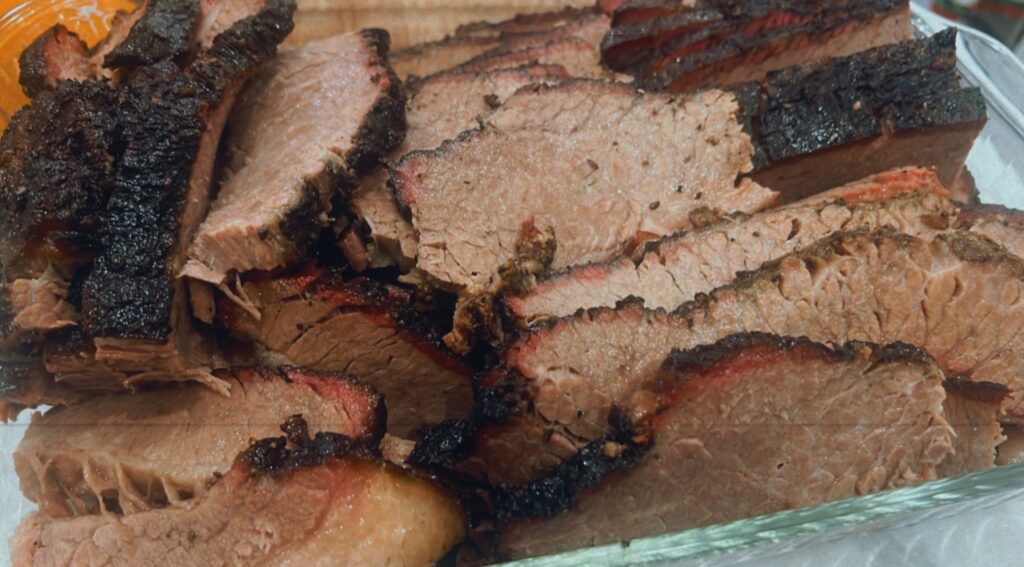
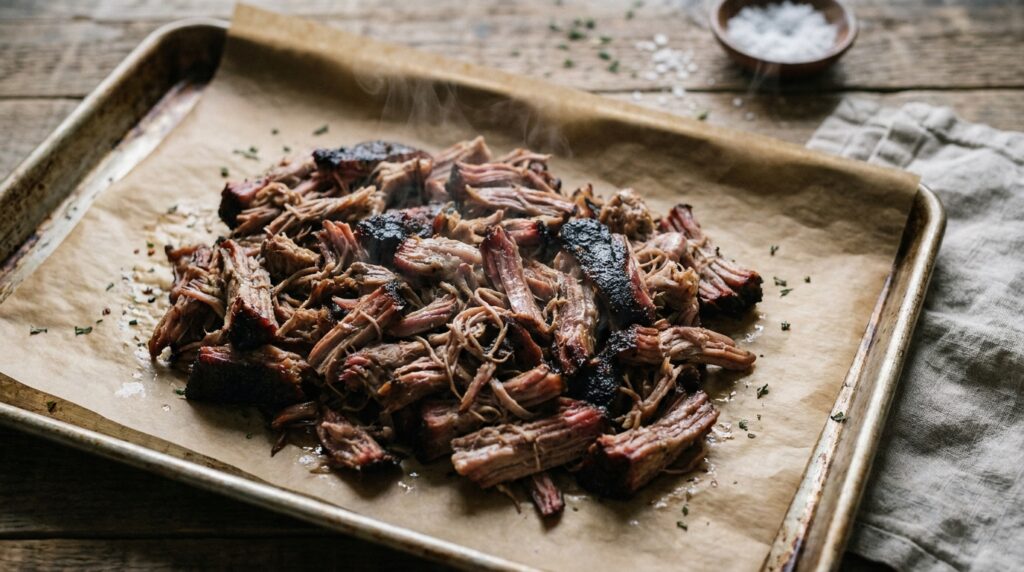
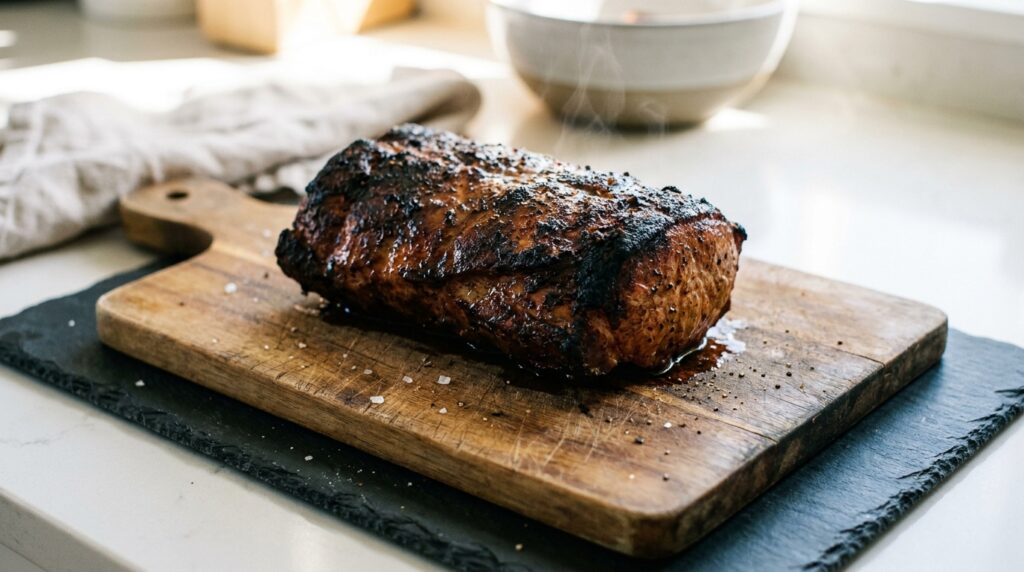
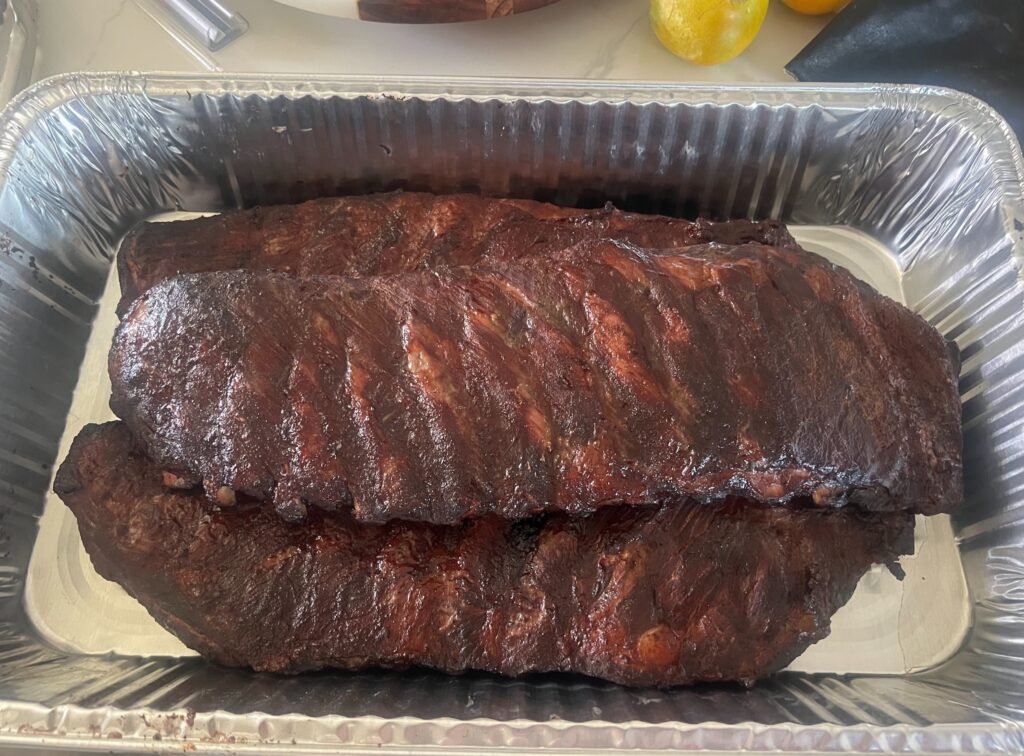
Planning, ingredients, preparation, and timing are the most critical elements to making and serving great food.
Having enough time is the most important part when it comes to slow and low!
Meat Smoking Calculator takes the thinking out of the process.
It makes cooking and serving amazing tasting smoked meats every time, on time.
SOME OF OUR FAVORITE SITES
Smoking a Turkey for Thanksgiving!
BBQ Brethren
Smoking Meat Forums
Deejay’s Smoke Pit
USDA’s Food Safety Guidelines
Smoking Pit
Virtual Weber Bullet
Smoking Times and Temps
* To help support this free site, posts contain affiliate links. If you use one of the affiliate links, we may earn a commission at no additional cost to you. As an Amazon Associate I earn from qualifying purchases.