On Time, Every Time.
EASY smoked brisket recipe to nail it your first time (Inspired by Steve Gow (Smoke Trails BBQ))
Steve Gow of Smoke Trails BBQ breaks down a beginner-friendly, full-packer brisket method that covers trimming, rendering your own tallow, and a simple salt-and-pepper seasoning before a long smoke and foil-butcher-paper wrap finish.
Watch: EASY smoked brisket recipe to nail it your first time by Steve Gow (Smoke Trails BBQ)
Schedule this cook to the minute
Set your serving time and the calculator plans the cook backward for you.
What you’ll need
- 1 whole packer brisket (10-15 lbs)
- Kosher salt (roughly equal parts with pepper, enough to coat entire brisket)
- Coarse-ground black pepper (roughly equal parts with salt)
- Reserved hard fat trimmings, rendered into liquid tallow
- Aluminum foil or butcher paper for wrapping
How to make it
- The night before cooking, trim the brisket: slice the fat cap down to about a quarter inch, remove the hard fat that won't render on both the point and flat, trim the flat's corners so they don't dry out, and peel off the silver skin from the underside of the flat.
- Save all the hard fat trimmings and slow-cook them in a slow cooker over several hours, stirring occasionally, until rendered into liquid tallow; strain and set aside for the wrap stage.
- Season the trimmed brisket all over with a simple 50/50 mix of kosher salt and coarse black pepper, coating the bottom, top, sides and edges in multiple passes, then let it rest seasoned for at least 30 minutes (or overnight in the fridge) before smoking.
- Smoke the brisket at a steady temperature between 225F and 300F (most of this cook ran 250-300F); if using a pellet smoker, keep it at or below 225F and place fat side down to shield the meat from the deflector plate's radiant heat, and if using an electric smoker, crack the door every couple hours to vent excess steam.
- Every few hours, spritz the exposed edges of the brisket to prevent drying out, and continue smoking for roughly six to ten hours until the internal temperature reads between 165F and 180F, the surface moisture has stopped pooling (a sign it's pushed through the stall), a deep bark has formed, and the bark doesn't rub off easily when you scrape it with a finger.
- Once the bark is set and the brisket is out of the stall, pull it off the smoker and wrap it tightly in foil or butcher paper along with some of the reserved rendered tallow to boost moisture and flavor.
- Return the wrapped brisket to the smoker (or finish in the oven) at the same temperature range until it reaches a probe-tender internal temperature of around 203F, which typically takes about two more hours.
- Let the wrapped brisket rest for up to two hours before slicing, trimming any remaining hard fat pieces as you carve, then serve.
Frequently asked questions
What size brisket should I use?
Steve recommends a full packer brisket between 10 and 15 pounds, choosing the best quality you can afford.
Why trim the fat cap down so thin?
A quarter-inch fat cap renders properly into soft, juicy fat and prevents guests from having to peel off thick, unrendered fat when eating slices.
What internal temperature signals the brisket is ready to wrap?
Look for an internal temp between 165F and 180F, reduced surface moisture (out of the stall), a set dark bark, and bark that doesn't rub off easily.
What final temperature should the brisket reach before resting?
The wrapped brisket should be probe-tender at around 203F internal before resting for up to two hours.
How much brisket do I need to buy and cook?
Cooking this for a crowd? Set your headcount and get the raw weight to buy.
Fine-tune trim & cook loss
Lost to trim: - · lost to the cook: -
💲 Which form is the better deal?
Written by John Kirker, who built the first meat smoking calculator in 2011. Times come from cooks we have actually run and logged; temperature and feel decide the finish, never the clock alone.

Rated 5by 500+ users
Tagline
Other Options
The MeatSmokingCalculator will help you plan the timeline for any meal.
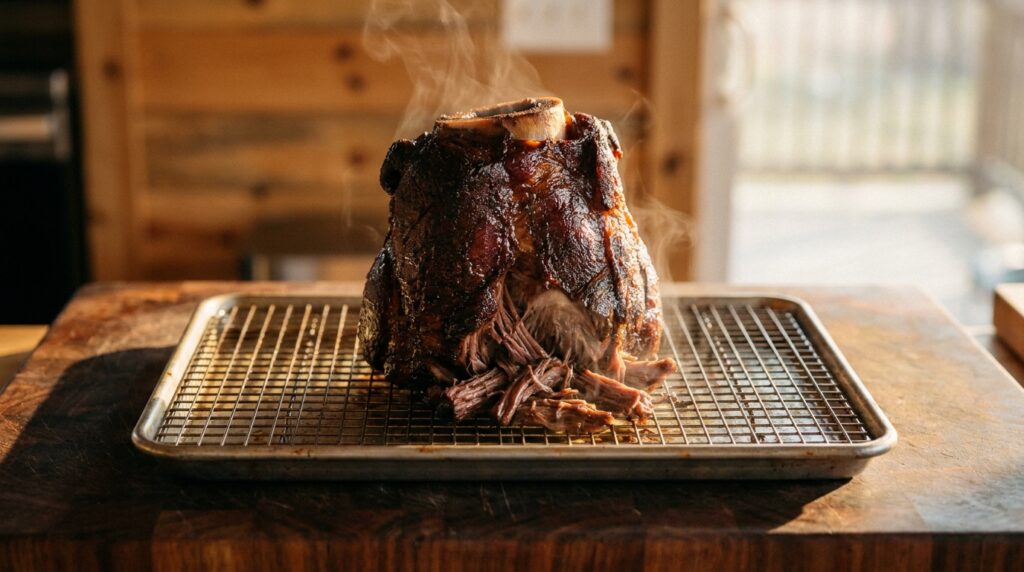
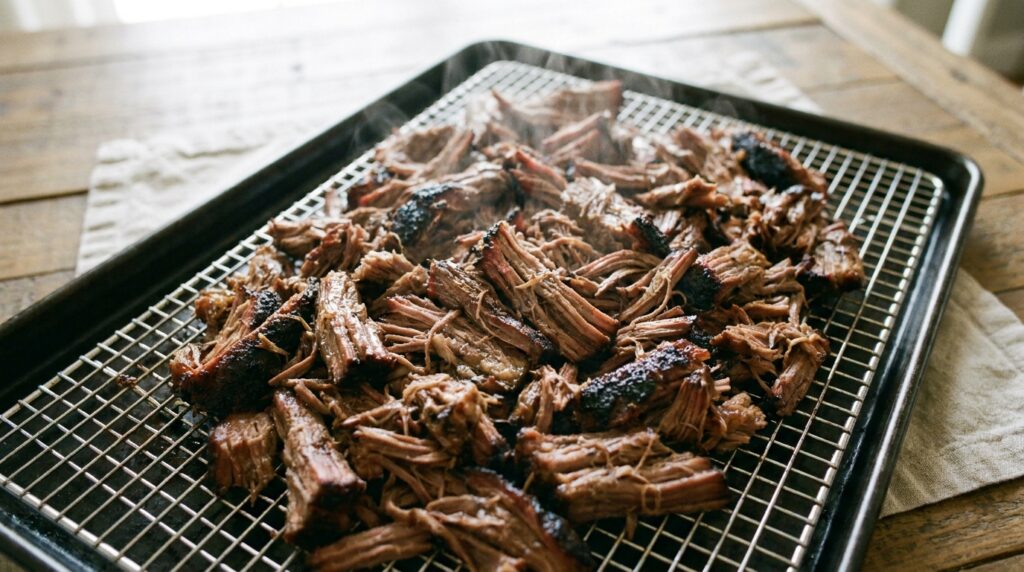
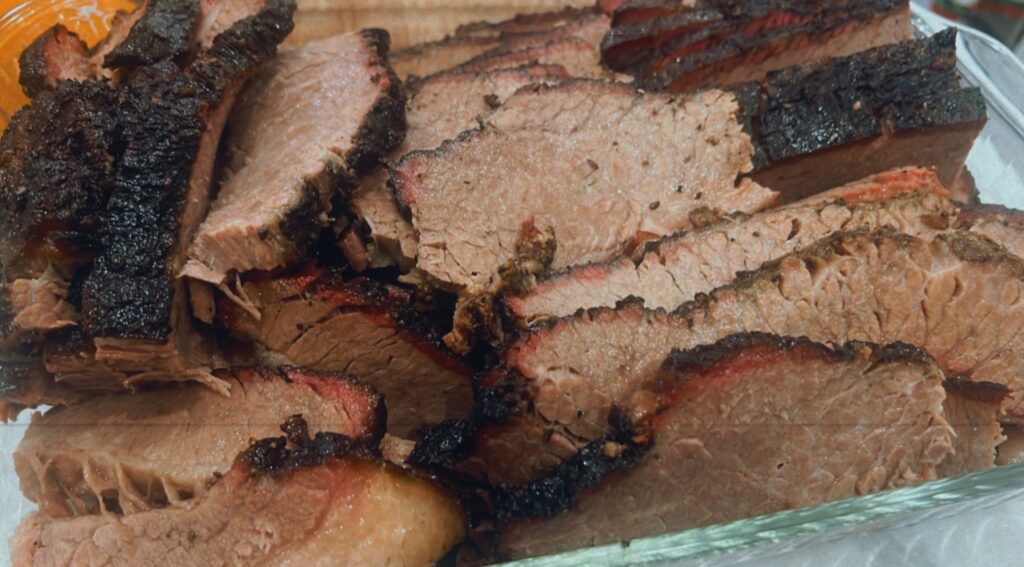
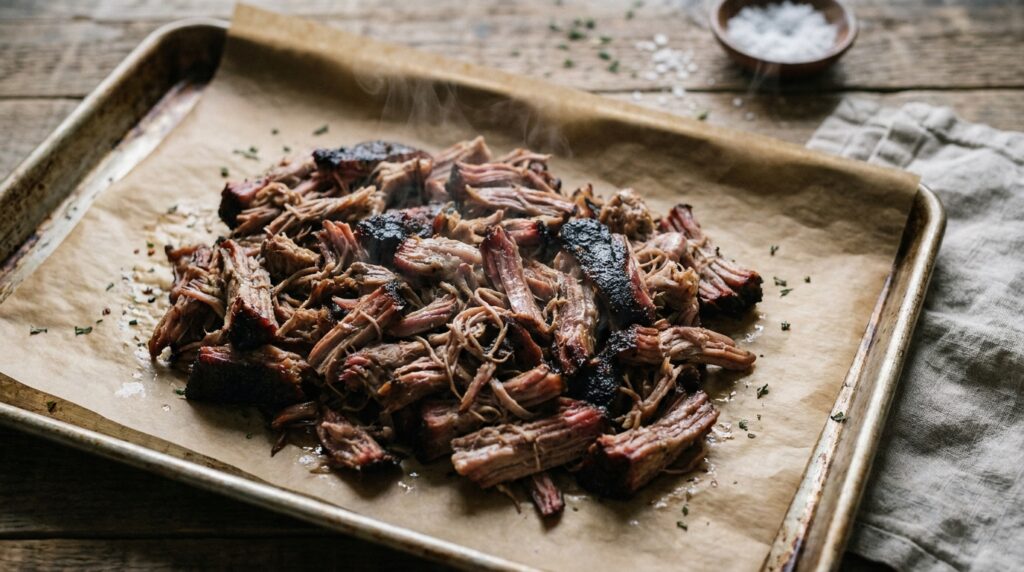
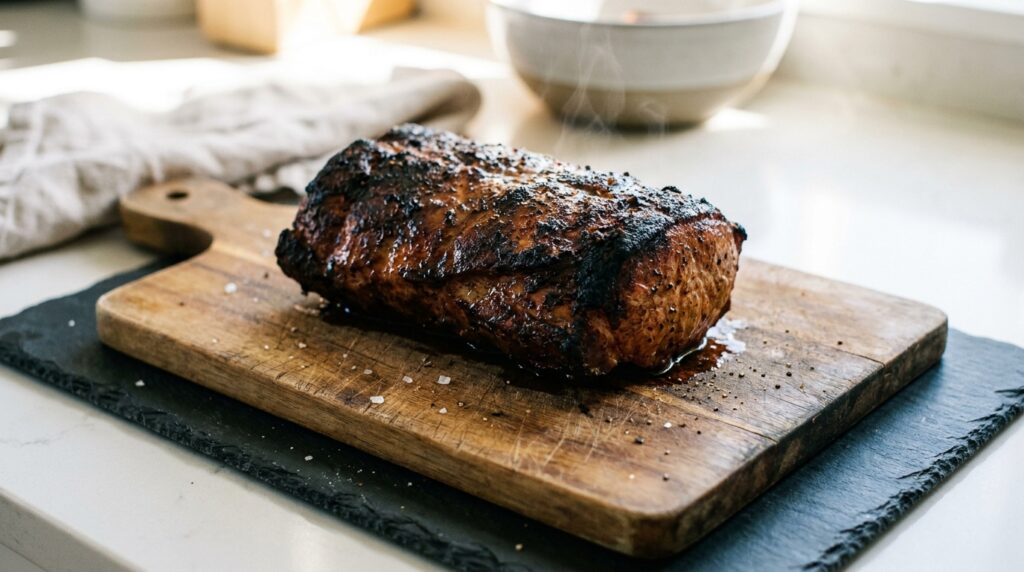
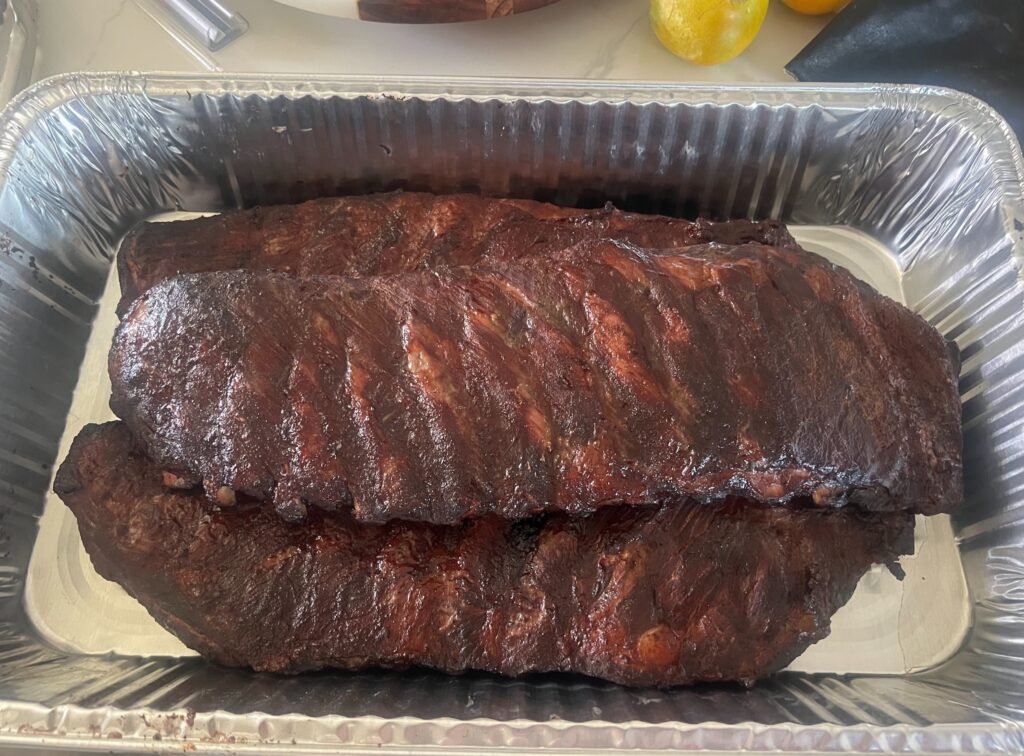
Planning, ingredients, preparation, and timing are the most critical elements to making and serving great food.
Having enough time is the most important part when it comes to slow and low!
Meat Smoking Calculator takes the thinking out of the process.
It makes cooking and serving amazing tasting smoked meats every time, on time.
SOME OF OUR FAVORITE SITES
Smoking a Turkey for Thanksgiving!
BBQ Brethren
Smoking Meat Forums
Deejay’s Smoke Pit
USDA’s Food Safety Guidelines
Smoking Pit
Virtual Weber Bullet
Smoking Times and Temps
* To help support this free site, posts contain affiliate links. If you use one of the affiliate links, we may earn a commission at no additional cost to you. As an Amazon Associate I earn from qualifying purchases.