On Time, Every Time.
Brisket Recipe for the Smoker: The Method, Not Just the Steps
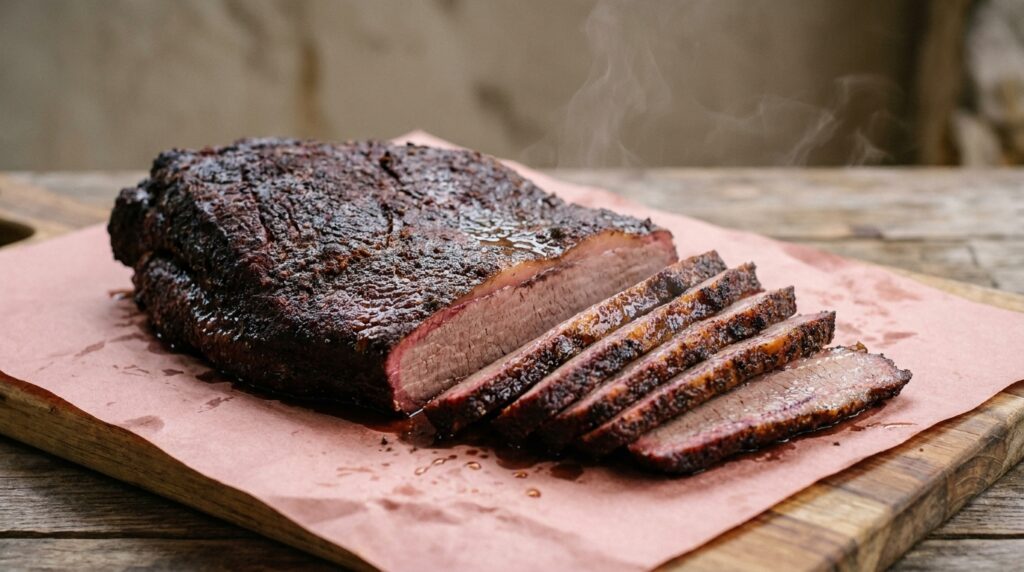
The short version: trim the fat cap to about a quarter inch, season heavy with coarse salt and pepper, smoke at 225°F over oak until the bark is set (usually 6-8 hours), wrap in butcher paper, and keep going until it probes like warm butter – about 190°F for sliced, 200-203°F for pulled. Then rest it, seriously, before you touch a knife. That’s the whole recipe. Everything else is technique layered on top of that spine.
The belief worth correcting first
A lot of people come to their first brisket looking for a number, as if 203°F is a finish line you cross and the meat rings a bell. It isn’t. The number is a starting point for testing, not a guarantee. Two briskets from the same cow can finish eight degrees apart because collagen breaks down on its own schedule, not the clock’s. Probe for tenderness, a thermometer should slide in with almost no resistance, like pushing into softened butter. If it grabs, it’s not done, whatever the display says.
What you’ll need
- 1 whole packer brisket, about 12-14 lb
- Coarse kosher salt and coarse (16-mesh) black pepper, roughly 50/50, or your favorite beef rub
- Yellow mustard or hot sauce as an optional binder
- Oak or post oak for smoke
- Unlined butcher paper for the wrap
- A reliable instant-read thermometer – this is the whole game
Trim it tight
Square up the brisket and take the fat cap down to about a quarter inch. Pull off the hard, waxy fat that will never render no matter how long it rides in the smoker, round off thin edges so they don’t burn to nothing, and clean out the big deckle fat between point and flat if you want more even cooking. A tidy brisket smokes and slices more evenly, and it gives the smoke a better surface to work with.
Season simply, then let it sit
Coat the whole thing in a heavy, even layer of coarse salt and pepper. A light smear of mustard or hot sauce helps it stick, but it’s optional, you won’t taste it once it’s cooked. Brisket doesn’t need a complicated rub, it needs enough coarse seasoning to build a real crust. If you’re weighing a commercial blend against plain SPG, the comparison of Meat Church brisket rub versus salt and pepper lays out what the seasoning actually changes and what it doesn’t, and if you want the full layered version, the Meat Church brisket recipe walks through Holy Cow over a Holy Gospel base and the schedule that goes with it. Let it sit until the rub looks wet, then it’s ready for the smoker.
Smoke low, wrap by feel, not by clock
Run the smoker at 225°F over oak. Plan on roughly 75 minutes per pound for a sliced brisket and about 82 minutes per pound if you’re going for pulled, though a full breakdown by weight is easier to eyeball on the smoking times and temperatures chart. Somewhere between 145-165°F internal, the brisket will stall, sometimes for hours. That’s evaporative cooling doing its thing, not a broken thermometer or a bad cook. Ride it out for maximum bark, or wrap through it.
Test the bark before you wrap: press it, and if it doesn’t smear, it’s set. Butcher paper breathes and keeps that bark better than foil, which braises faster but softens the crust. Wrap tight and push on.
Pull it by tenderness, not a magic number
Start probing around 195°F. For sliced brisket, most cooks land around 190°F. For pulled or chopped, push closer to 200-203°F. The number is where you start checking, not where you stop cooking. If you want a deeper dive into how these targets differ, the sliced brisket guide and the pulled brisket guide both walk through the timing in more detail. The same logic carries over to smaller cuts cooked this way: tri tip cooked brisket-style finishes around 203°F and probe tender, nowhere near the 130-135°F you’d use for a medium-rare sliced tri tip.
Food safety note: whatever your final pull temperature, brisket is well past the safe minimum internal temperature of 145°F long before it’s actually tender, so the extra hours you’re spending are entirely about texture, not safety.
Rest it before you slice
One hour minimum. Two to four hours wrapped in towels inside a dry cooler is better, and the brisket keeps improving in there. Sliced straight off the grill, brisket bleeds its juice out onto the board; give it the rest and it holds together instead.
Want a longer, more forgiving version?
If you’d rather build in a wide safety margin instead of hitting a precise window, there’s a variation worth trying: pull the brisket a little early, around 195°F, wrap it, and hold it at a steady 150°F for up to 18 hours. The gentle hold keeps rendering collagen into gelatin the whole time, which is where a lot of extra tenderness and juiciness comes from, and you can serve straight out of the hold with no separate rest needed. It works because collagen breaks down over time rather than at a magic number, so the conversion keeps running long after the meat leaves the pit. That whole method, inspired by pitmaster Steve Gow’s long hot hold approach, is worth reading if your schedule doesn’t line up neatly with dinner time. It’s also the backbone of how the Traeger overnight brisket plan handles pellet grills specifically.
Plan your timeline
Weight is a planning tool, not a doneness test, but it’s still the best way to know when to start. Punch in your brisket’s weight and target serving time below and let it work backward from there.
FAQ
What temperature should I pull brisket off the smoker?
Start probing around 195°F. Sliced brisket usually finishes around 190°F, pulled or chopped brisket closer to 200-203°F. Tenderness decides, not the number, so test with a thermometer probe before pulling.
How long does it take to smoke a brisket?
At 225°F, plan roughly 75 minutes per pound for sliced and about 82 minutes per pound for pulled, so a 12 lb packer runs somewhere around 15 hours. At 250°F you can bring that down closer to 1 to 1.25 hours per pound. These are planning numbers, the stall and the brisket’s own collagen will move the actual finish time.
Fat side up or down when smoking brisket?
Whichever side faces your heat source. The point is to protect the meat from direct heat, not to follow a rule for its own sake.
Do I have to wrap my brisket?
No, but most people do once the bark is set, dry-looking and not smearing when pressed, because it helps push through the stall faster. Butcher paper breathes and keeps bark texture; foil braises faster but softens the crust.
Why is my brisket stalled at the same temperature for hours?
That’s evaporative cooling, not a stuck thermometer or a problem with your smoker. It typically happens between 145-165°F internal and can last for hours. Wrapping is the usual way to push through it.
Written by John Kirker, who built the first meat smoking calculator in 2011. Times come from cooks we have actually run and logged; temperature and feel decide the finish, never the clock alone.
Reviewed by John Kirker, Founder, John Kirker Inc. - last updated October 5, 2026.

Rated 5by 500+ users
Tagline
Other Options
The MeatSmokingCalculator will help you plan the timeline for any meal.
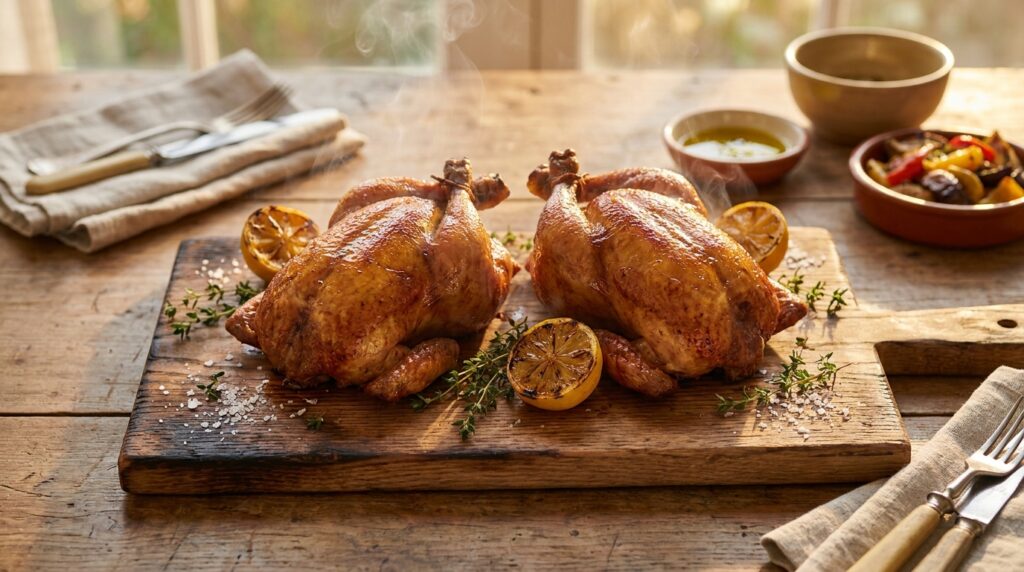
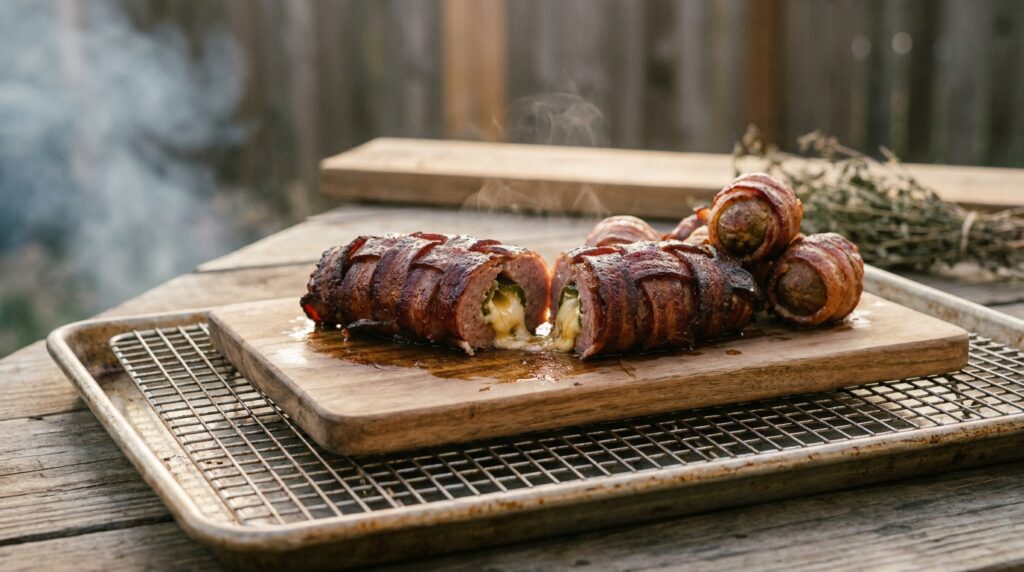
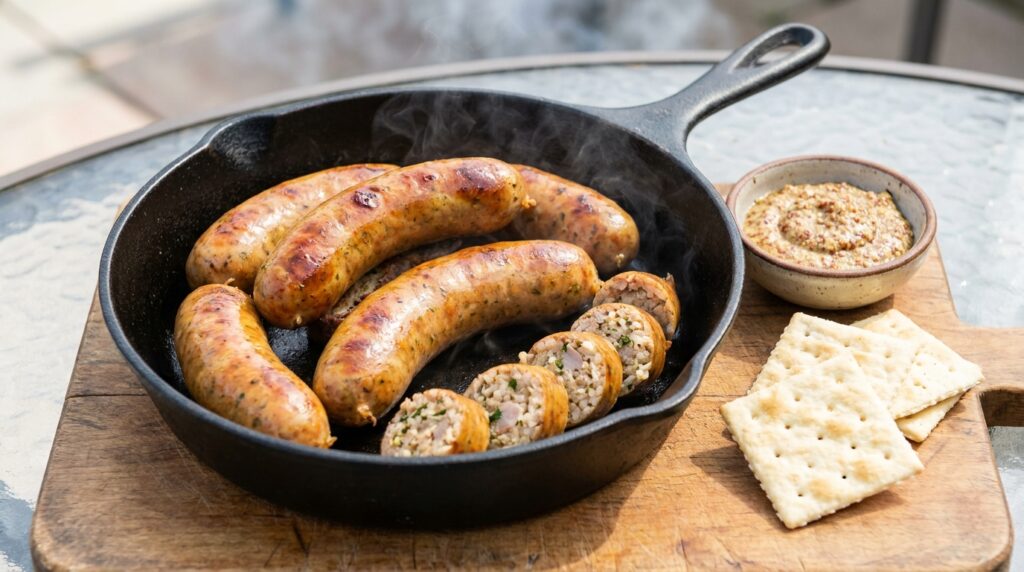
Planning, ingredients, preparation, and timing are the most critical elements to making and serving great food.
Having enough time is the most important part when it comes to slow and low!
Meat Smoking Calculator takes the thinking out of the process.
It makes cooking and serving amazing tasting smoked meats every time, on time.
SOME OF OUR FAVORITE SITES
Smoking a Turkey for Thanksgiving!
BBQ Brethren
Smoking Meat Forums
Deejay’s Smoke Pit
USDA’s Food Safety Guidelines
Smoking Pit
Virtual Weber Bullet
Smoking Times and Temps
* To help support this free site, posts contain affiliate links. If you use one of the affiliate links, we may earn a commission at no additional cost to you. As an Amazon Associate I earn from qualifying purchases.