On Time, Every Time.
Roast Calculator for Smoked Meat: Plan Backward From Your Serving Time
A roast calculator multiplies weight by minutes per pound and tells you when the meat will be done. A smoking calculator runs the other direction: you set the serving time and it plans the cook backward for you – wrap, rest, and hold each get their own block of clock. That reversal is the whole difference. Nobody serves at “done.” People serve at 6:00 p.m., and the meat has to be finished, rested, and holding before that.
- Oven roast calculators answer “when will it be done.” Smoked meat needs “when must it go on.”
- Set serving time first, then subtract hold, rest, pit time, and preheat.
- The minutes-per-pound table below is a planning range, not a promise. The probe decides doneness.
- USDA safe minimum internal temperature is 145F for whole cuts of beef, pork, and lamb with a 3 minute rest, and 165F for all poultry.
Why a roast calculator gets smoked meat wrong
An oven at 350F is a stable, dry, predictable box. A pork butt in a smoker at 250F is not. It stalls, it sweats, it sits at the same internal temperature for a long stretch while moisture evaporates off the surface, and then it moves again. Minutes per pound describes an average, and the stall is exactly the moment an average lies to you.
Most readers arrive believing a bigger minutes-per-pound number is a safer plan. It is not. A padded finish time with no rest block still leaves you slicing hot meat in front of guests. Plan the slack after the cook, not inside it – a holding window absorbs both an early finish and a late one.
Minutes per pound by cut, at 225F and 275F
Use this if the tool does not load, or to sanity-check what it returns. Every range is a planning window from published per-cut guides on this site, then widened to the spread real cooks report. Ranges are per pound of trimmed weight, whole-muscle cuts only.
| Cut | At 225F | At 275F | Source label |
|---|---|---|---|
| Brisket, whole packer | 75-90 min/lb | 50-70 min/lb | Published |
| Pork butt (Boston butt) | 90-120 min/lb | 60-80 min/lb | Published |
| Chuck roast | 90-120 min/lb | 60-80 min/lb | Interpolated |
| Beef ribs (plate/short) | 100-140 min/lb | 70-95 min/lb | Interpolated |
| Pork ribs, baby back | 150-180 min/lb | 75-100 min/lb | Published |
| Whole turkey | 35-45 min/lb | 20-30 min/lb | Published |
| Chicken thighs (bone-in) | Not weight-scaled: 90-120 min total | Not weight-scaled: 50-75 min total | Published |
| Whole hog | Quoted at 9 min/lb hot-and-fast | Quoted at 9 min/lb hot-and-fast | Published |
Two rows deserve a note. Ribs and thighs are thickness cooks, not weight cooks – a rack does not take twice as long because you cooked two of them, so plan total time and treat the per-pound column as a cross-check only. The whole hog figure is the catering-side timing our software quotes at, alongside its real 40% yield.
Rest and hold are not the same thing. Rest is letting a finished piece of meat settle before slicing, usually under an hour or two. Hold is deliberately keeping finished meat at a safe serving temperature until service, and it can run much longer with a safety floor. Our guide to safe temps, the danger zone, and the 140F line covers where that floor sits.
How do I calculate cooking time backward from my serving time?
Pick the moment food hits the table, then subtract the hold, the rest, the estimated pit time, and the preheat. What is left is your meat-on time. Our smoking calculator does that arithmetic: you enter cut, trimmed weight, pit temperature, and serving time, and it returns the meat-on time plus the checkpoints along the way.
The arithmetic, written out
Backward planning from serving time
Serving at 6:00 p.m., a 1 hour hold cushion, a 1 hour rest, and a 10 hour estimated pit time:
- Serve 6:00 p.m.
- Minus 1 hour hold cushion = finished and wrapped by 5:00 p.m.
- Minus 1 hour rest = target internal temperature hit by 4:00 p.m.
- Minus 10 hours pit time = meat on at 6:00 a.m.
- Minus fire and preheat = your actual alarm clock.
Now the reset. Every lid opening drops pit temperature and restarts the clock on recovery. Three openings at 15 minutes of recovery each is 45 minutes added: 10 hours becomes 10 hours 45 minutes, and 6:00 a.m. becomes 5:15 a.m. Do that arithmetic the night before, not at 4:00 p.m. when you are already behind.
What the calculator needs from you
- Cut. A packer brisket and a flat behave differently at the same weight.
- Weight. Trimmed weight, not the cryovac label.
- Pit temperature. Grate temperature where the meat sits, not the dome gauge.
- Serving time. The real one, not the invitation time.
Weight is where plans die. People enter package weight, trim two pounds of fat off, and then wonder why the cook ran short. Weigh after trimming.
Start from your cut, not a universal ratio
One minutes-per-pound figure across all meats is why generic roast timers frustrate pitmasters. This site publishes per-cut guides instead – 74 published articles and guides as of August 2026, each carrying the same backward-planning tool.
Pulled pork from a smoked pork butt is the classic long plan, and the honest version is to schedule the 16 hours, not the 12. On the fast end, smoked chicken thighs compress the whole plan into an afternoon. The smoking times and temperatures chart is the cross-cut index.
Roast calculator vs smoking calculator
| Feature | Oven roast calculator | Smoking calculator |
|---|---|---|
| Direction | Forward from meat-on | Backward from serving time |
| Primary input | Weight and doneness | Cut, trimmed weight, pit temp, serving time |
| Rest | A tacked-on note | A scheduled block |
| Hold | Not modeled | A scheduled block |
| Stall | Assumes steady progress | Absorbed by the hold cushion |
The mechanic matters more than any single number. A roast timer prices your cook in minutes per pound, so a 6 pound roast and a 14 pound one are the same line of math. A smoking plan prices it in clock blocks you can move independently, which is what you need when service time is fixed and the meat is not cooperating.
The probe decides, not the calculator
Use the calculated time to know when to be standing at the pit, and the thermometer to know when to pull. Every time output on this page is a planning estimate, never a guarantee. USDA safe minimum internal temperature is 145F for whole cuts of beef, pork, and lamb with a 3 minute rest, and 165F for all poultry. Butts and briskets go far past that for texture, not safety.
Planning a cook you are getting paid for
Backward planning becomes a contract obligation the moment money changes hands. A caterer’s plan has to survive a wedding running 40 minutes late and a load-in window that will not move. If you are quoting jobs, the BBQ catering guides cover operations, and the catering calculator guide walks through menus and yields at commercial quantities, so a 12-packer job schedules like 12 packers rather than one brisket multiplied by twelve.
FAQ
How does a roast calculator work?
It multiplies meat weight by a minutes-per-pound figure for that cut and doneness, then adds a resting note. It answers “when will this be done” from a fixed start time.
Can I use a roast calculator for a smoker?
For a rough ballpark, yes. It will not account for the stall, lid openings, or the rest and hold blocks a barbecue cook needs. Use a tool built for smoking and enter your serving time rather than your start time.
What time do I need to put my brisket on?
Serving time, minus hold cushion, minus rest, minus estimated pit time, minus preheat. Enter cut, trimmed weight, pit temperature, and serving time above and the calculator returns the meat-on time. Then read the first-brisket walkthrough for the cook itself.
How many minutes per pound for a pork butt at 225F?
Plan 90 to 120 minutes per pound of trimmed weight at 225F, and 60 to 80 minutes per pound at 275F. Use the wide end for thick, untrimmed butts and add recovery time for every lid opening.
Does the calculator include resting time?
Yes. Rest is scheduled as its own block ahead of service, which is exactly what a generic roast timer leaves out. You can extend a hold beyond the rest when you want more cushion.
How accurate are calculated smoking times?
They are planning estimates, never guarantees. Airflow, wind, meat thickness, and lid openings all move the finish. Build a hold cushion so a late finish costs you nothing and an early one costs you less.
Written by John Kirker, who built the first meat smoking calculator in 2011. Times come from cooks we have actually run and logged; temperature and feel decide the finish, never the clock alone.
Reviewed by John Kirker, Founder, John Kirker Inc. - last updated September 9, 2026.
Sources for this article
- Site posts repeat: 'Set your serving time and the calculator plans the cook backward for you' - the backward-planning premise of the whole piece.
- Catering calculator guide: whole hog at 40% yield and 9-minutes-per-pound timing.
- Catering software post: the same timing engine runs at quantity, so a 12-packer job schedules like 12 packers.
- Site-verified stat: 74 published articles and guides as of August 2026.
Facts drawn from this site's own documented knowledge and first-hand experience.

Rated 5by 500+ users
Tagline
Other Options
The MeatSmokingCalculator will help you plan the timeline for any meal.
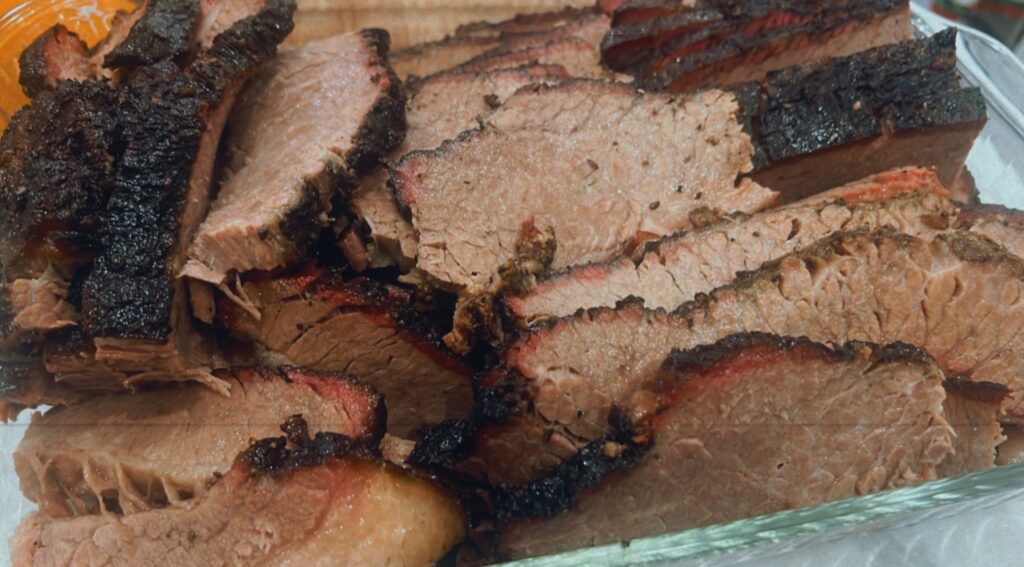
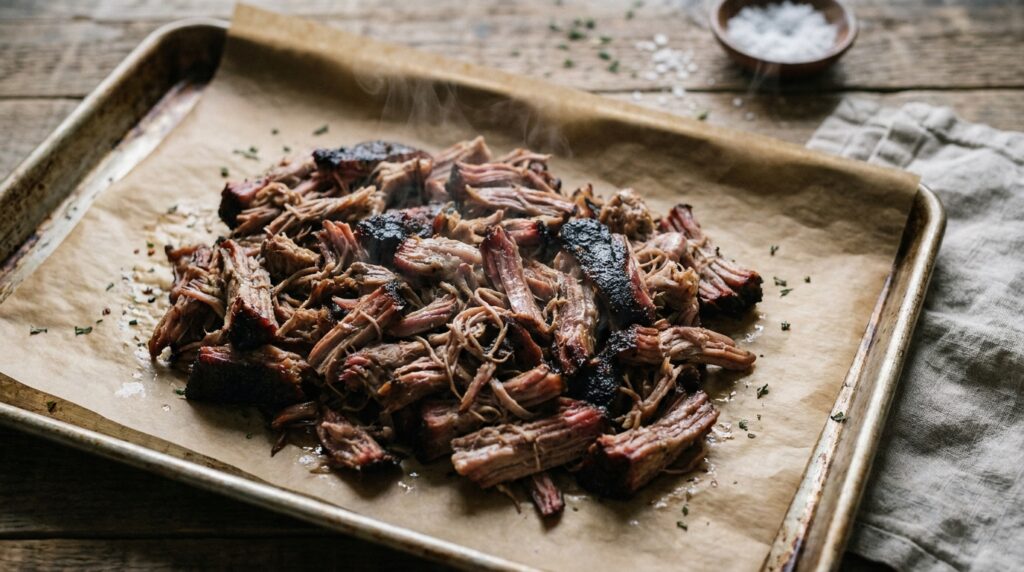
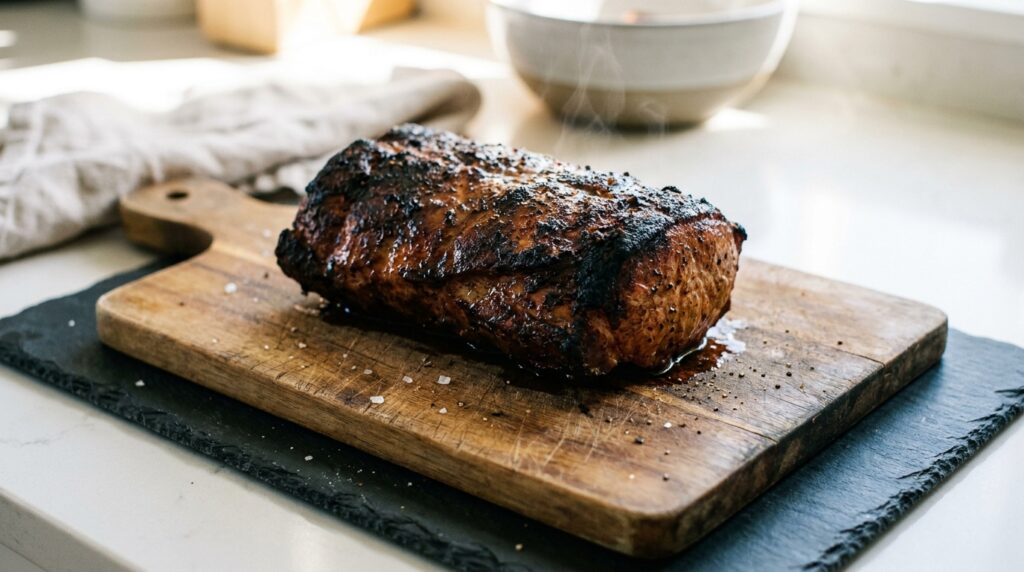
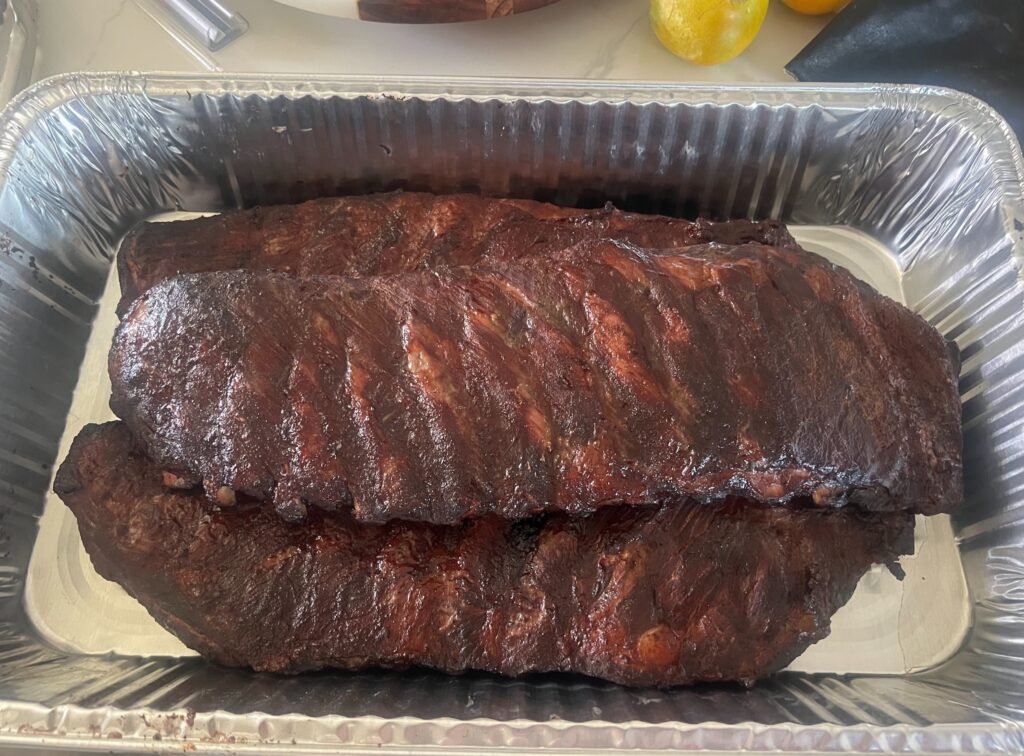
Planning, ingredients, preparation, and timing are the most critical elements to making and serving great food.
Having enough time is the most important part when it comes to slow and low!
Meat Smoking Calculator takes the thinking out of the process.
It makes cooking and serving amazing tasting smoked meats every time, on time.
SOME OF OUR FAVORITE SITES
Smoking a Turkey for Thanksgiving!
BBQ Brethren
Smoking Meat Forums
Deejay’s Smoke Pit
USDA’s Food Safety Guidelines
Smoking Pit
Virtual Weber Bullet
Smoking Times and Temps
* To help support this free site, posts contain affiliate links. If you use one of the affiliate links, we may earn a commission at no additional cost to you. As an Amazon Associate I earn from qualifying purchases.