On Time, Every Time.
How to Plan a Smoking Schedule: Start Times, Stall Buffer, and Why Cooks Run Long
The honest answer to “what time do I start” is: pick your serving hour, subtract the estimate for your cut, then subtract two to three more hours of buffer – because the stall, not the recipe, decides your finish time. Big cuts like brisket, pork butt and whole birds are planned by a per-pound rate. Steaks, fish and sausage are planned as a total time. Both are planning estimates, not promises, and the table below gives you a typical total for a standard size so you can build a schedule today.
What the stall looks like. Internal temperature of a big cut over a 14 hour low-and-slow cook. The flat stretch is evaporative cooling; the thermometer, not the clock, tells you where you are. Why it happens and what to do about it.
- Estimate the cook, then add buffer. Never schedule to the estimate itself.
- Big cuts use a per-pound rate. Small cuts and fixed-doneness cuts use a total time.
- Pit temp is the lever: hotter shortens the cook, cooler stretches it.
- Done is a pull temperature or a probe-tender feel, not a timer.
- Buffer is spendable: a rested brisket in a warm cooler is fine. A late one is not.
The mistake is not the estimate, it is the schedule
You are not searching for a start time because you doubt the recipe. You are searching because you have twelve people coming at 6 p.m. and one shot at getting the food on the table with them.
Most guides answer that with a number per pound and stop. That is where dinner goes wrong. A cook time is a range, and a schedule has to absorb the range without moving the meal. This page is about building that schedule.
Start times for common cuts
Read the table as a starting point, then read the smoking times and temperatures chart for the full per-cut pit temps and pull temps. Pit temp is the smoker temperature the timing assumes: run hotter and the cook shortens, run cooler and it stretches.
| Cut | Timing style | Typical total, standard size | How doneness is judged | Where to look it up |
|---|---|---|---|---|
| Brisket | Per-pound rate | Longest cook on this list, the better part of a day | Probe-tender | Chart plus brisket method guide |
| Pork butt | Per-pound rate | Long cook, plan a full afternoon plus buffer | Probe-tender | Pork shoulder calculator |
| Whole bird | Per-pound rate | Varies with weight, shortest of the per-pound cuts | Pull temperature | Chart |
| Whole duck | Per-pound rate | Governed by fat rendering, not weight alone | Pull temperature | Duck guide |
| Beef ribs | Total time | Multi-hour, shorter than brisket | Probe-tender | Chart |
| Pork chops, thick-cut | Total time | Fast, well under a per-pound cut | Pull temperature | Pork chops guide |
| Steaks and tomahawk | Total time | Gentle smoke, then a hard sear | Pull temp by doneness level | Beef roundup |
| Salmon and most fish | Total time | Under two hours | 145°F for most | Seafood guide |
| Beef jerky | Total time | Low, slow dehydration with smoke | By dryness, not a clock | Jerky guide |
| Pastrami | Multi-stage | Weekend project: cure, smoke, steam finish | Probe-tender after steam | Pastrami guide |
Where the table says “varies,” it varies. I will not invent an hour count the chart does not carry. The chart holds the per-cut pit temp and pull temp, and the calculator turns those into a clock, the way the pork shoulder cooking time calculator converts a trimmed weight into the hour you light the fire.
The stall, in specifics
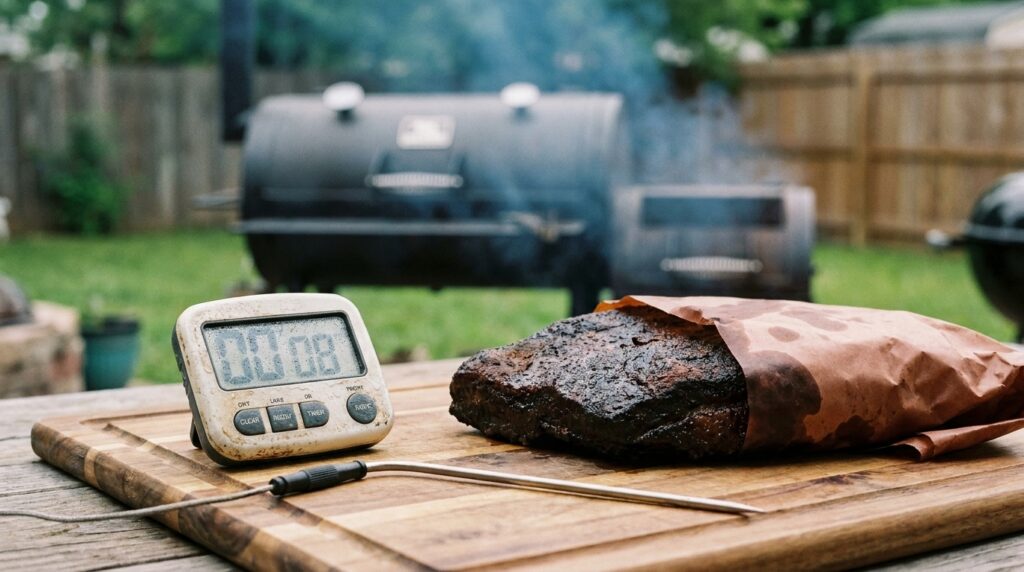
Somewhere in the middle of a brisket or a pork butt, the internal temperature stops climbing. Evaporative cooling off the surface balances the heat going in, and the number sits there. In my own cooks the stall has landed in the 150s to 170s and held for a couple of hours, once closer to four on a cold morning with a fat brisket.
Wrapping ends it. Foil traps steam and ends it fastest, at the cost of some bark texture, and I have finished an hour or more ahead of an unwrapped run. Butcher paper is gentler: it still shortens the stall, but it breathes enough to keep bark closer to what came off the grate.
I schedule two to three hours of buffer on any per-pound cut, and I would rather spend it resting than borrow it at 7 p.m. A long warm hold is not wasted time either, because collagen keeps breaking down through the rest, so a brisket pulled early and held at 150°F often finishes more tender than one pushed harder and sliced right away.
Buffer is not pessimism, it is a rest window I can use. A cut that finishes early holds fine wrapped in a warm cooler. A cut that finishes late has no fix at all, and that is the only real failure mode on cook day.
Why your cook ran long
When a cook blows past the estimate, it is almost never the meat. It is one of these five, and they stack.
- Cold ambient temps. A cold, damp morning makes the pit work harder to hold its number. Expect to lose part of an hour to an hour on a big cut.
- Wind. Wind strips heat off the cooker body and drives evaporative cooling on the meat surface, which lengthens the stall. Similar cost to cold weather, sometimes worse on an offset.
- Opening the lid. Every peek dumps the chamber temperature and the pit spends time recovering, not cooking. A handful of unnecessary looks adds up to a chunk of an hour.
- Thermometer placement. A probe in fat, against bone, or in the thin end reads a cut that is not your cut. This does not lengthen the real cook, it makes you think it did, and it is the most common false alarm.
- Package weight instead of trimmed weight. Multiply a per-pound rate by untrimmed weight and you have overbudgeted, or worse, mis-scheduled the whole day. Trim first, weigh second, then calculate.
Pit temp remains the biggest lever you actually control. Two people cooking identical briskets can finish hours apart purely on how their cookers held the line.
Plan backward, not forward
Forward planning (“I’ll start at 6 a.m. and see where we land”) is how dinner slips to 10 p.m. Backward planning starts with the minute you want to eat and puts everything behind it, buffer included. That reversal is the difference between a roast calculator and a smoking calculator, which gives wrap, rest and hold each their own block of clock.
That is what the meat smoking calculator is for. Select the meat, enter the weight, tell it when you want to serve, and it returns the schedule. You can adjust injection, rest and rub times, or keep the defaults and get on with your day.
Fast categories buy back your evening
If the schedule is the problem, change the cut. Nearly everything in our smoked seafood guide is done in under two hours, most of it pulls at 145°F, and almost all of it follows one method: brine, dry to form a pellicle, then smoke gently. Thick-cut pork chops smoke fast too, and the trick is pulling them at the modern safe temp rather than the old shoe-leather standard. For a crowd, the same logic is why a Labor Day party menu works best as one overnight cut paired with a fast one, ribs or chicken leg quarters going on in the morning while the pork butt rests.
Cuts served by doneness level, like the ones in our smoked beef roundup, follow a pull temperature per level. Brisket and pork butt follow the probe: it should slide in with almost no resistance. Do not swap the two methods.
Across 63 published articles and guides on this site as of August 2026, the division of labor is the same: the guide gives you the method, the chart gives you the pit temp and pull temp, and the calculator gives you the start time.
What changes after today
You stop hunting for a magic number and start running a schedule with slack in it. The estimate tells you when to light the fire, the probe tells you when to pull, and the buffer means the guests never know which way the day went. That is the whole job.
FAQ
What time should I start smoking a brisket for dinner?
Work backward from your serving hour using the per-pound rate for your trimmed weight, then add two to three hours of buffer for the stall. Brisket is the longest cook on this list, running the better part of a day, so most people are lighting the fire well before sunrise for an evening meal.
How much buffer time should I add to a smoking schedule?
On any per-pound cut, I schedule two to three hours. The stall in my cooks has hit in the 150s to 170s and held a couple of hours, occasionally closer to four in cold weather. Extra time is spendable as rest. Missing time is not recoverable.
Why is my smoking time longer than the chart says?
Usually the pit ran cooler than the estimate assumes, and cold ambient temps or wind are the common causes. Opening the lid repeatedly costs recovery time, and calculating from package weight instead of trimmed weight throws the whole schedule. Check your probe placement before you assume the meat is at fault.
Does wrapping in foil or butcher paper finish the cook faster?
Both shorten the stall, foil more aggressively. Foil traps steam and has finished my cooks an hour or more ahead of an unwrapped run, with softer bark. Butcher paper breathes, so it still speeds things up while keeping bark closer to what came off the grate.
Should I go by time or internal temperature?
Internal temperature, always. Time tells you when to start and when to begin checking. The pull temperature, or the probe-tender feel where the probe slides in with almost no resistance, tells you when it is done.
How do I plan a smoking schedule backward from dinner?
Lock the serving time first, weigh the cut after trimming, set the pit temp you actually intend to run, then let the meat smoking calculator build the schedule including rub and rest windows. Add your buffer on top and start probing early rather than late.
Written by John Kirker, who built the first meat smoking calculator in 2011. Times come from cooks we have actually run and logged; temperature and feel decide the finish, never the clock alone.
Reviewed by John Kirker, Founder, John Kirker Inc. - last updated October 6, 2026.
Sources for this article
- Chart: pit temp is the smoker temperature the timing assumes; hotter shortens, cooler stretches the cook
- Chart: approx time is either a per-pound rate (brisket, pork butt, whole birds) or a total time (steaks, fish, sausage, fixed-doneness cuts); it is a planning estimate, not a promi
- Chart: pull/done temp is the internal temp to pull at; some cuts are probe-tender, probe slides in with almost no resistance
- Seafood guide: nearly everything done in under two hours, most pulls at 145F, method is brine, dry to form a pellicle, smoke gently
- Beef guide: brisket rides low and slow the better part of a day; tomahawk gets gentle smoke then hard sear
- Pork chops: thick-cut smoke fast, pull at the modern safe temp instead of the old shoe-leather standard
- Jerky: low, slow dehydration with smoke; lean meat, thin slices, patience
- Pastrami: weekend project, cured beef, smoke, steam finish
Facts drawn from this site's own documented knowledge and first-hand experience.

Rated 5by 500+ users
Tagline
Other Options
The MeatSmokingCalculator will help you plan the timeline for any meal.
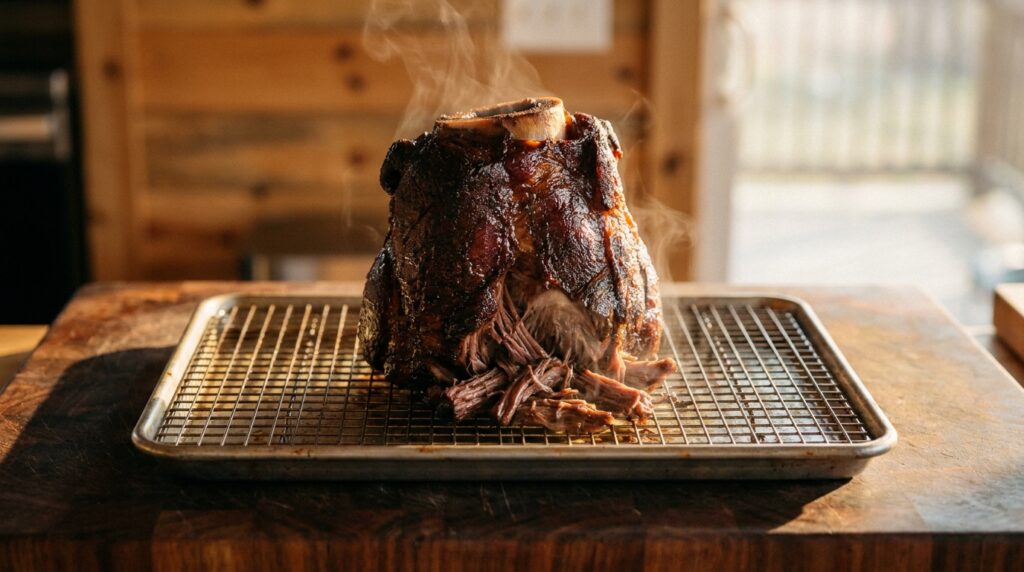
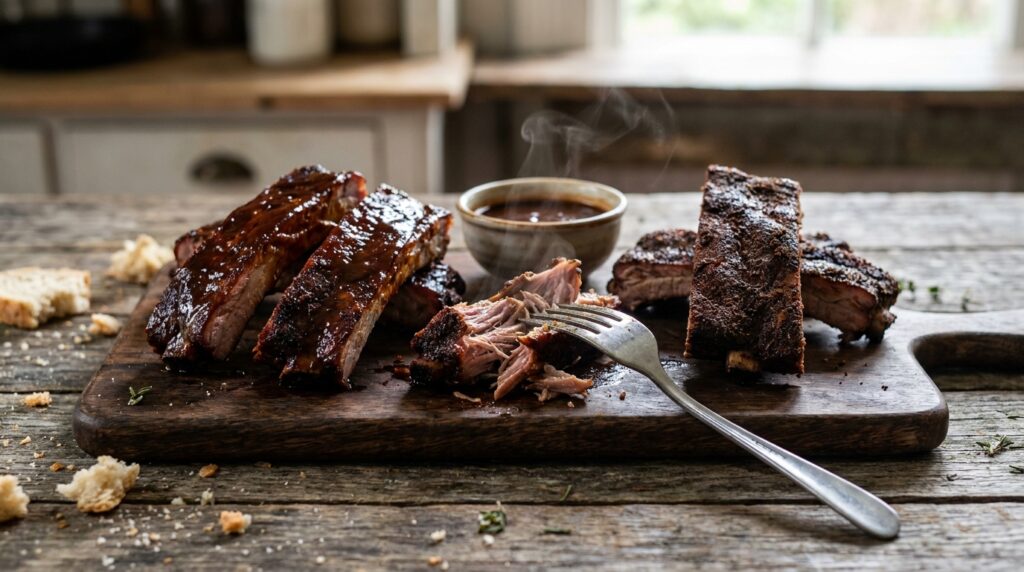
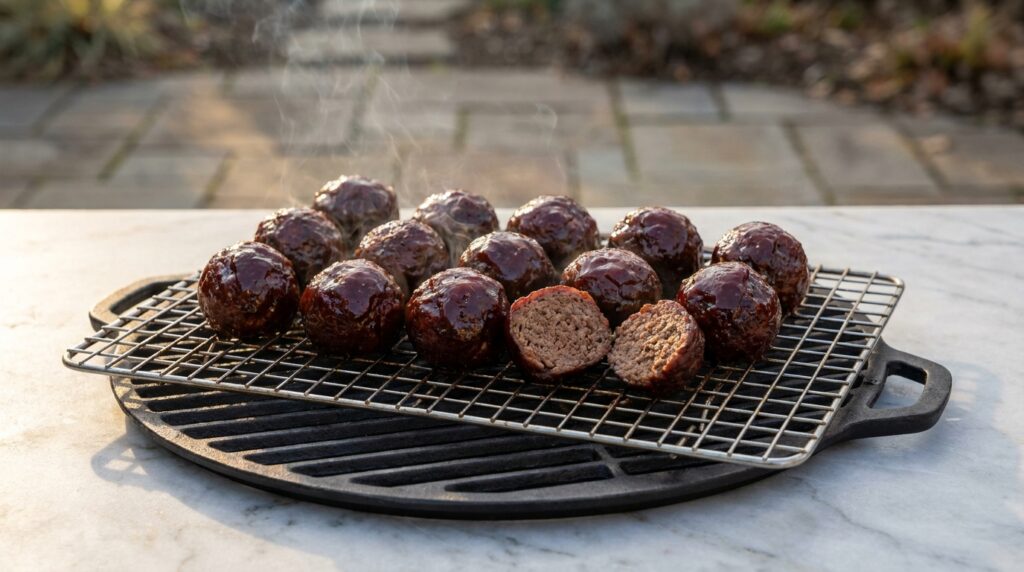
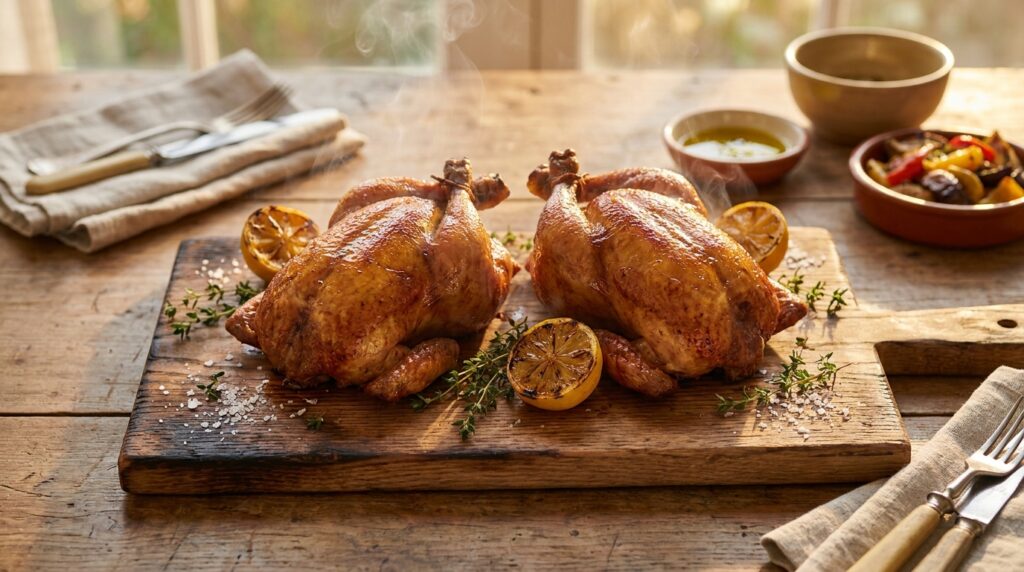
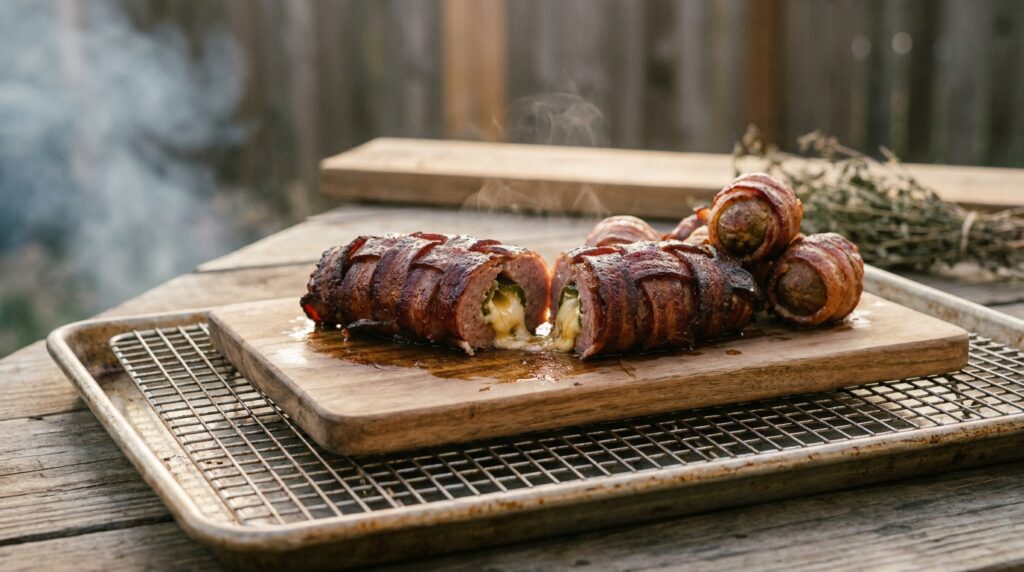
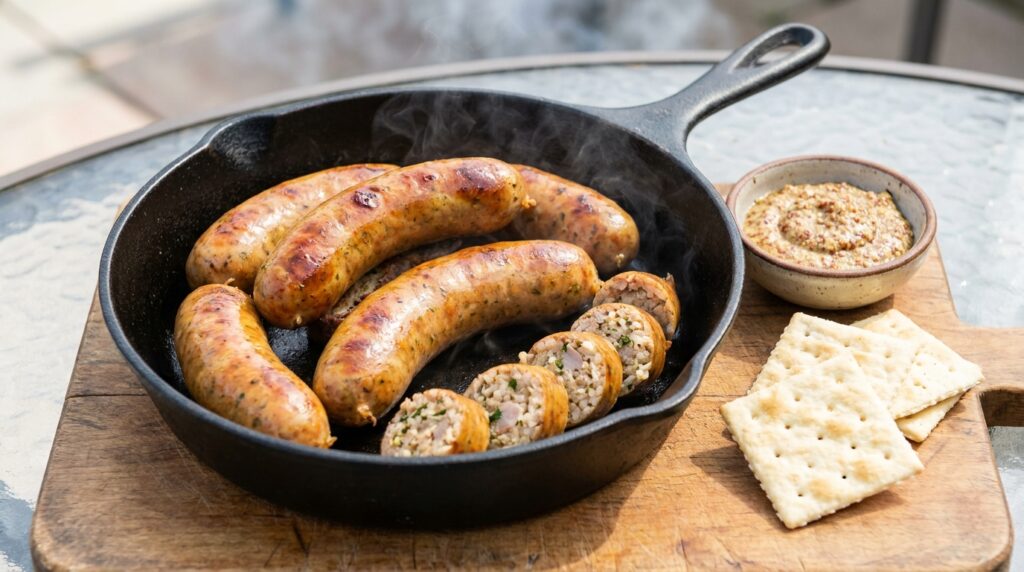
Planning, ingredients, preparation, and timing are the most critical elements to making and serving great food.
Having enough time is the most important part when it comes to slow and low!
Meat Smoking Calculator takes the thinking out of the process.
It makes cooking and serving amazing tasting smoked meats every time, on time.
SOME OF OUR FAVORITE SITES
Smoking a Turkey for Thanksgiving!
BBQ Brethren
Smoking Meat Forums
Deejay’s Smoke Pit
USDA’s Food Safety Guidelines
Smoking Pit
Virtual Weber Bullet
Smoking Times and Temps
* To help support this free site, posts contain affiliate links. If you use one of the affiliate links, we may earn a commission at no additional cost to you. As an Amazon Associate I earn from qualifying purchases.